Introducing the Advanced Implant Protocol: Diagnosis to Final Crown
On June 24th, Foundation Dental Specialists hosted the Advanced Implant Symposium at the CalTech Athenaeum in Pasadena. 47 general dentists from 41 offices joined us

On June 24th, Foundation Dental Specialists hosted the Advanced Implant Symposium at the CalTech Athenaeum in Pasadena. 47 general dentists from 41 offices joined us

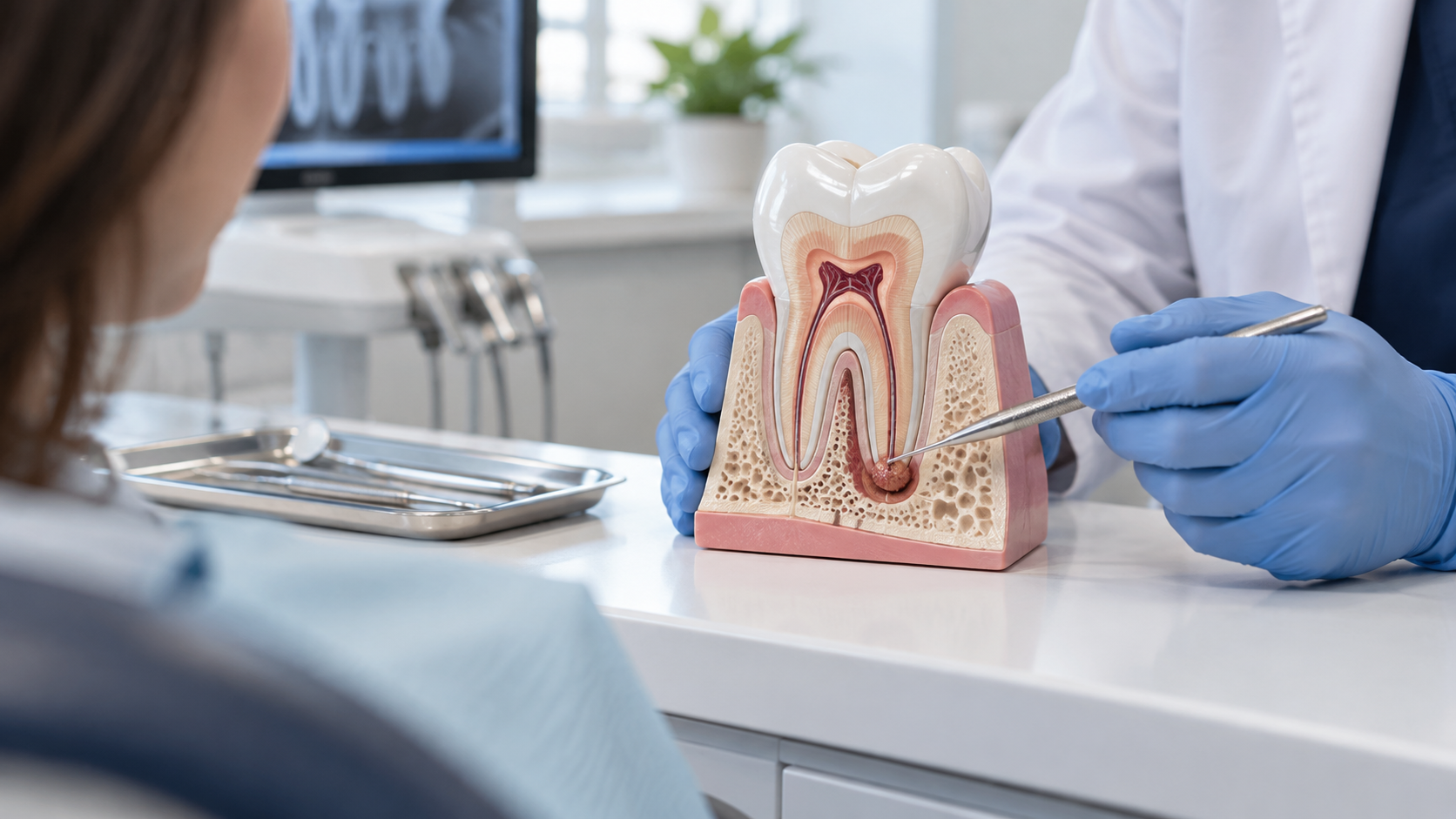
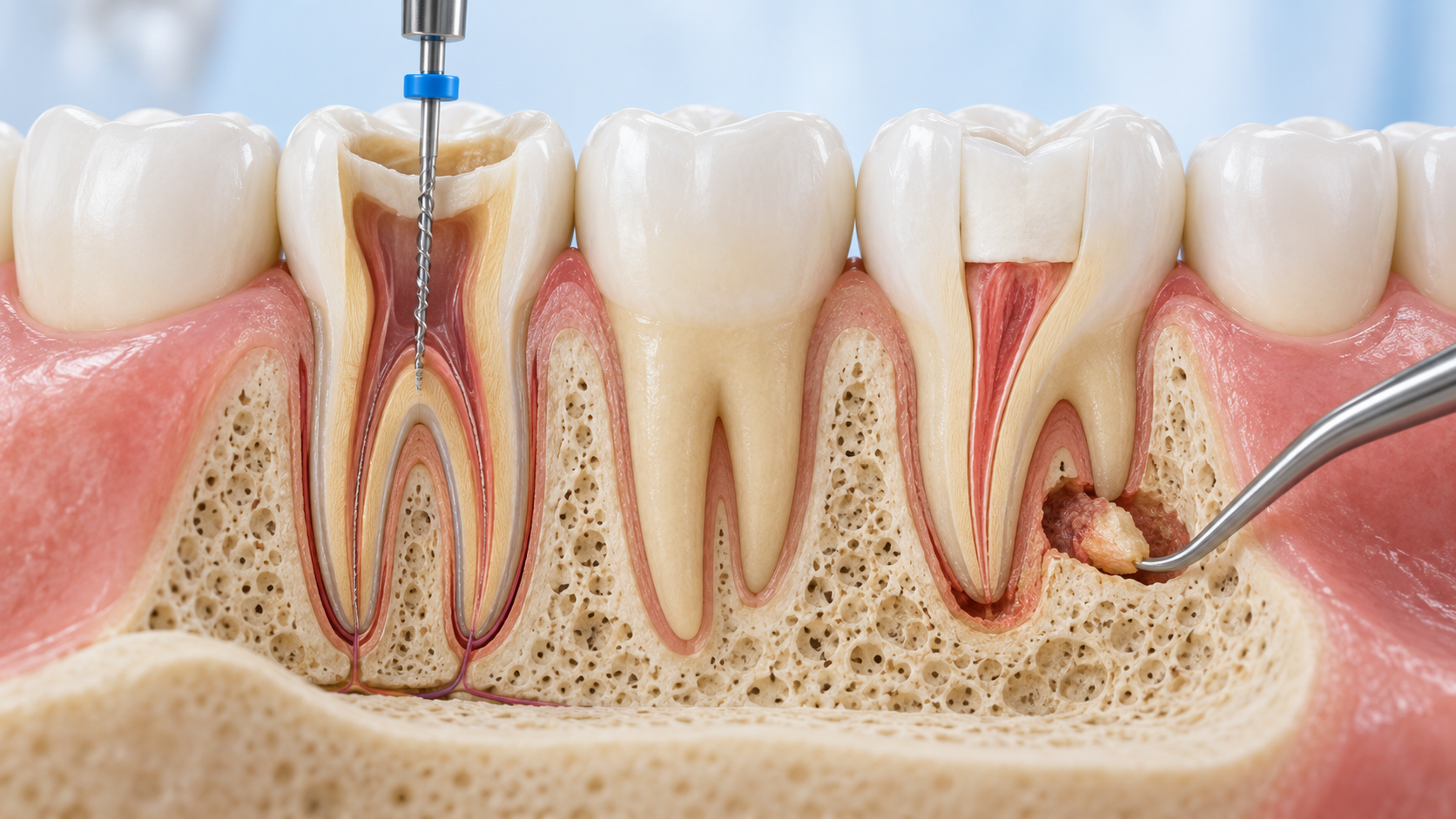
When a tooth continues to cause pain, swelling, or infection after a root canal, it does not always mean the tooth needs to be removed. In many cases, an advanced endodontic treatment may still be able to save the natural tooth. One of those treatments is an apicoectomy, also known as root-end surgery.

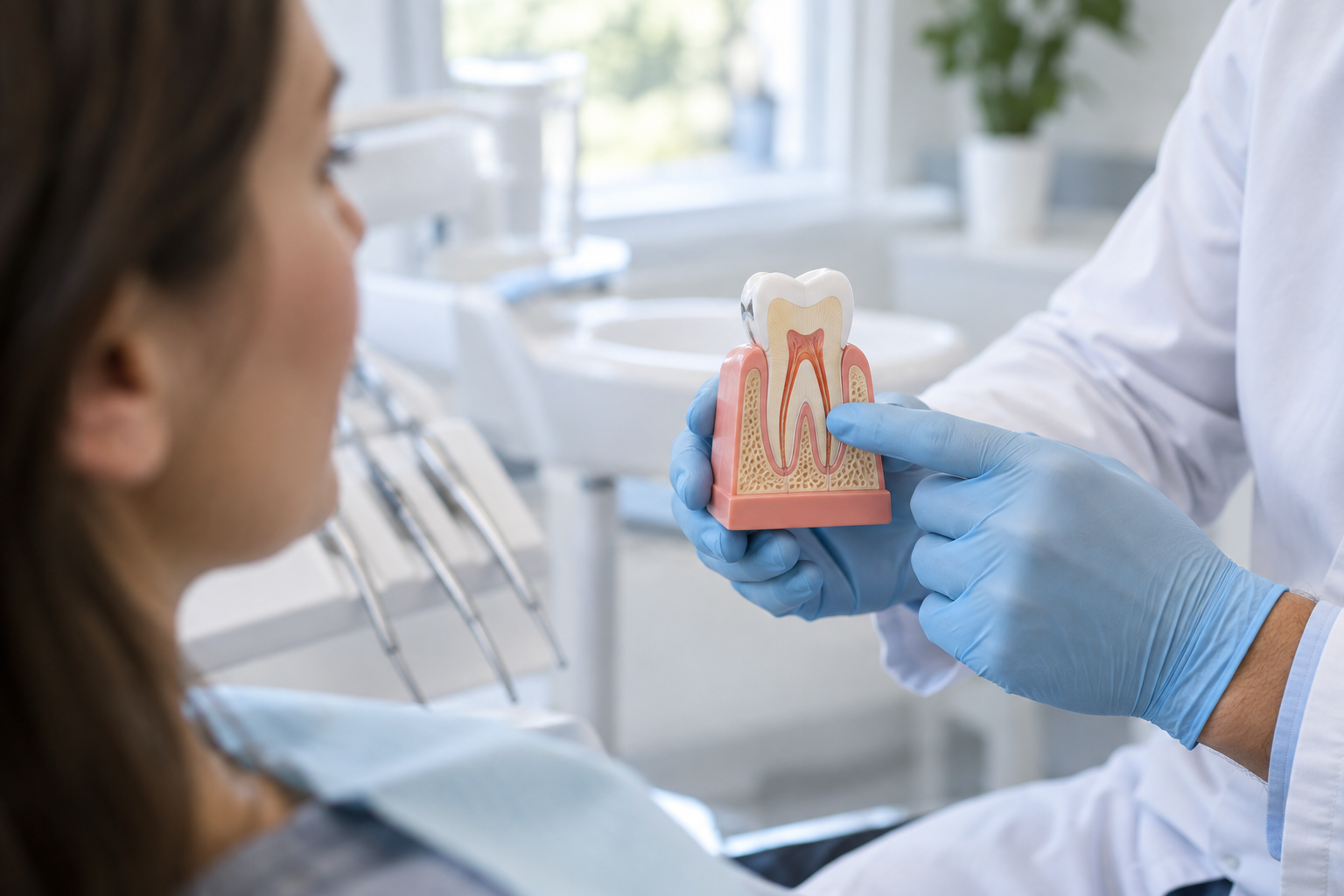
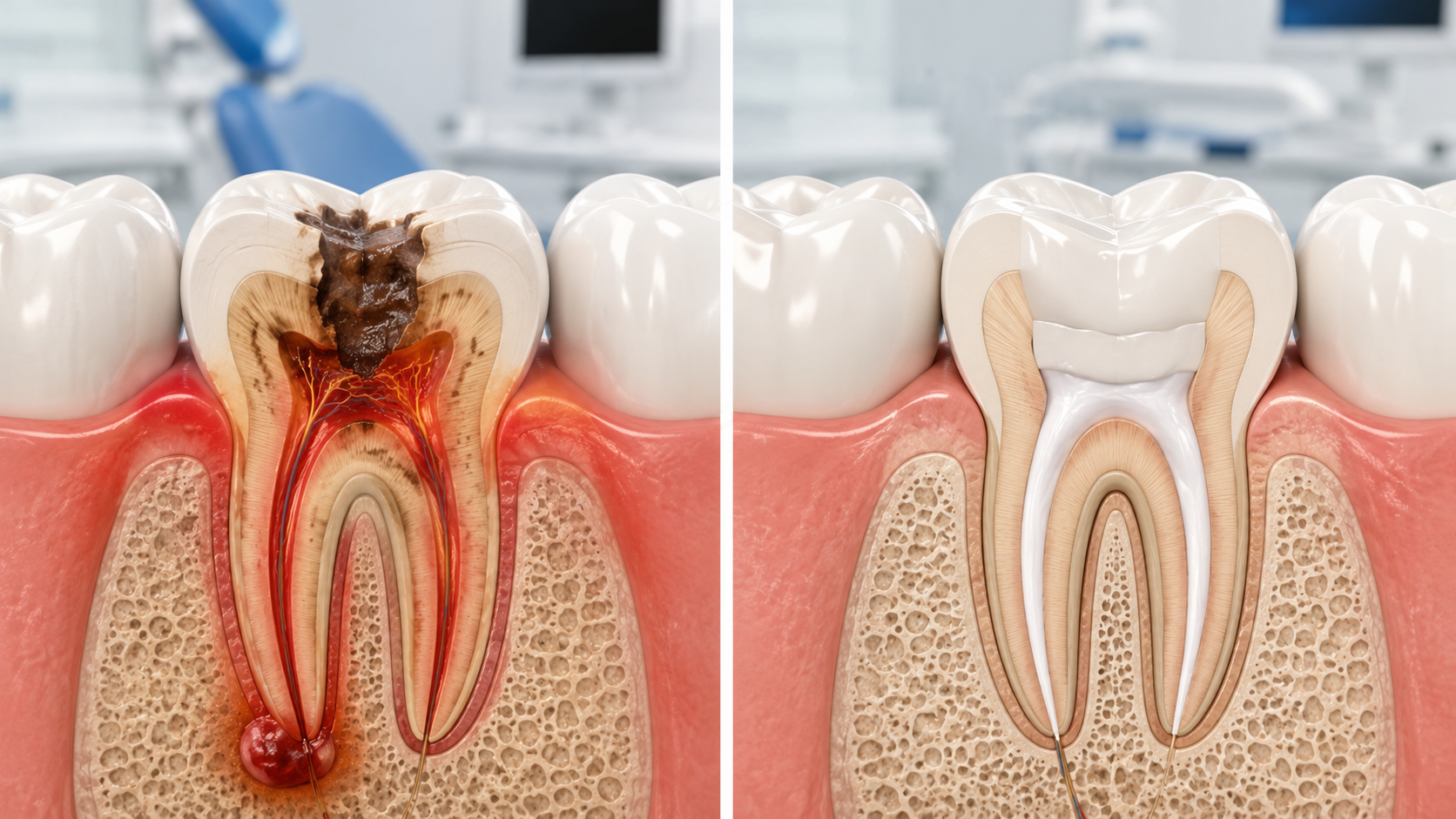
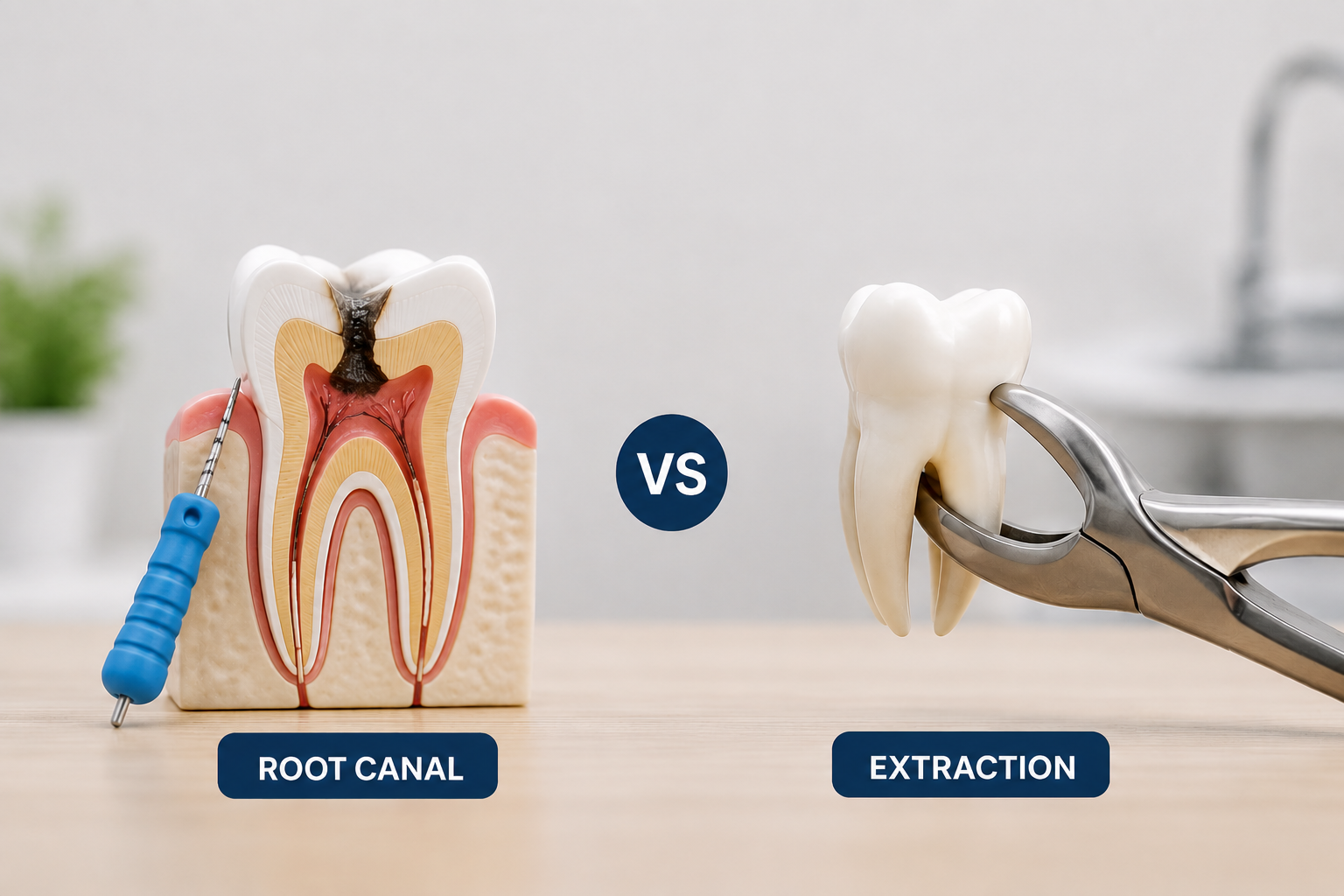
When a tooth becomes infected, the pain can be intense, the decision can feel urgent, and the treatment options may seem confusing. Two of the most common solutions are root canal therapy and tooth extraction. While both treatments can remove infection and relieve discomfort, they work in very different ways.

If you are wondering how to fix receding gums, the most important thing to know is this: gum tissue generally does not grow back on its own once it has receded. However, the right periodontal treatment can help stop the recession from getting worse, protect exposed roots, improve comfort, and in some cases restore lost gum coverage.

Understanding the signs you need a root canal can help you know when it is time to schedule care before the problem becomes more serious. Below are five common signs that you may need a root canal or may need urgent endodontic treatment.

This guide explains the typical full arch dental implants before and after journey, including how patients often look and feel before treatment, what changes happen after the procedure, and what results they can expect over time. Whether you are exploring treatment for yourself or researching options for a loved one, understanding the full picture can help you make a more informed decision.

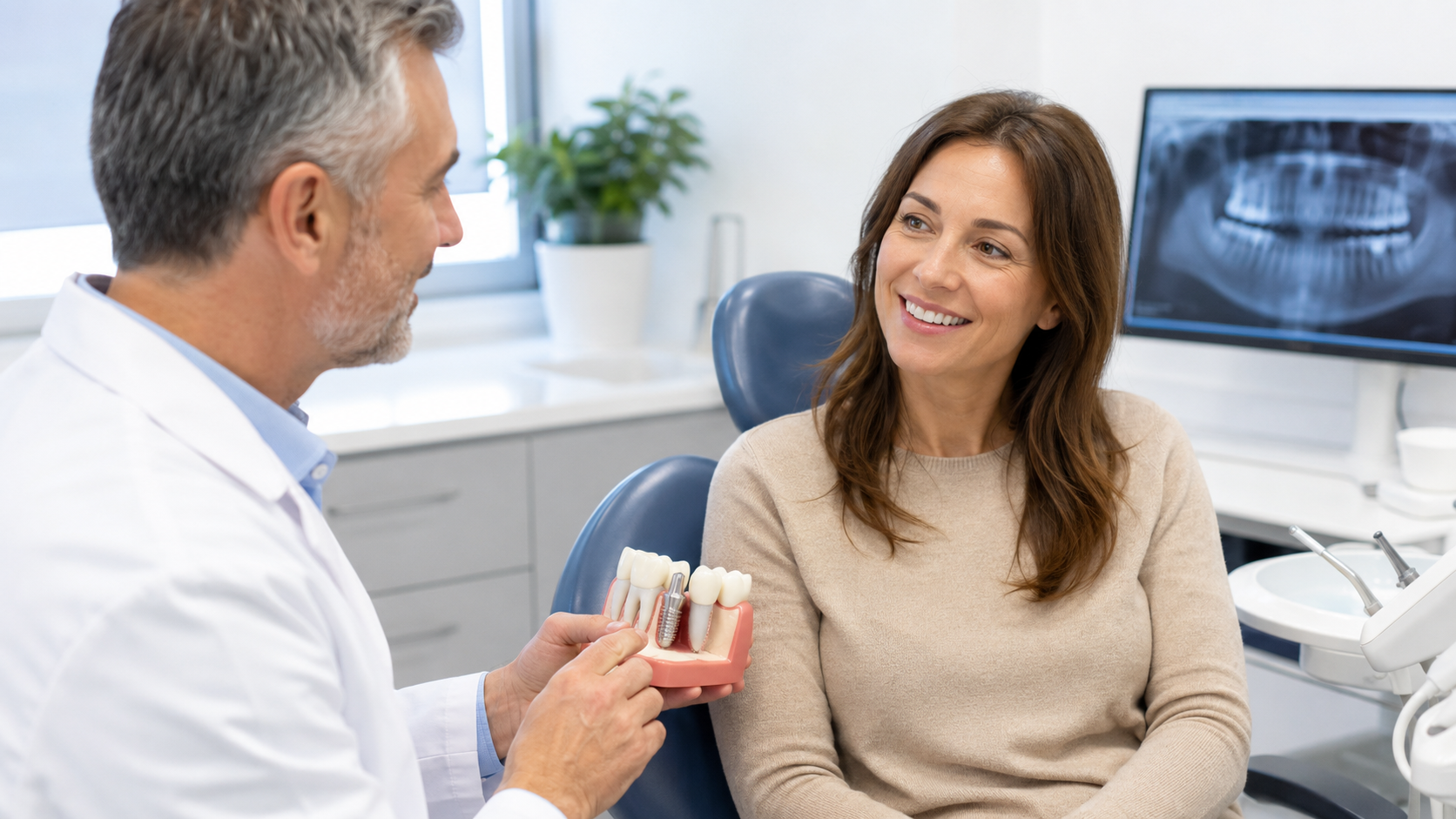
If you are researching the types of dental implants available today, it is helpful to understand that there are both different implant placements and different restorations that can attach to those implants. This guide explains the different types of dental implants in a clear, practical way so you can better understand which option may fit your needs, goals, and oral health.

For many patients, traditional dentures help restore appearance, but they do not always provide the stability and comfort needed for long-term function. That is where implant overdentures can make a major difference. In this guide, we will explain what implant overdentures are, how they work, their benefits, who may be a good candidate for treatment, the different treatment options available, and discuss the cost benefits of implant overdentures.

For patients missing most or all of their teeth, fixed full arch dental implants, such as all-on-x, offer a long-lasting and stable solution that looks and feels much more like natural teeth than traditional removable dentures. If you have been researching full mouth tooth replacement options, understanding how this treatment works can help you decide whether it may be right for you.

This article explains what is a periodontal pocket, why periodontal pockets matter for gum health, how they are diagnosed, and the treatment options available to help stop disease progression and restore a healthy mouth.