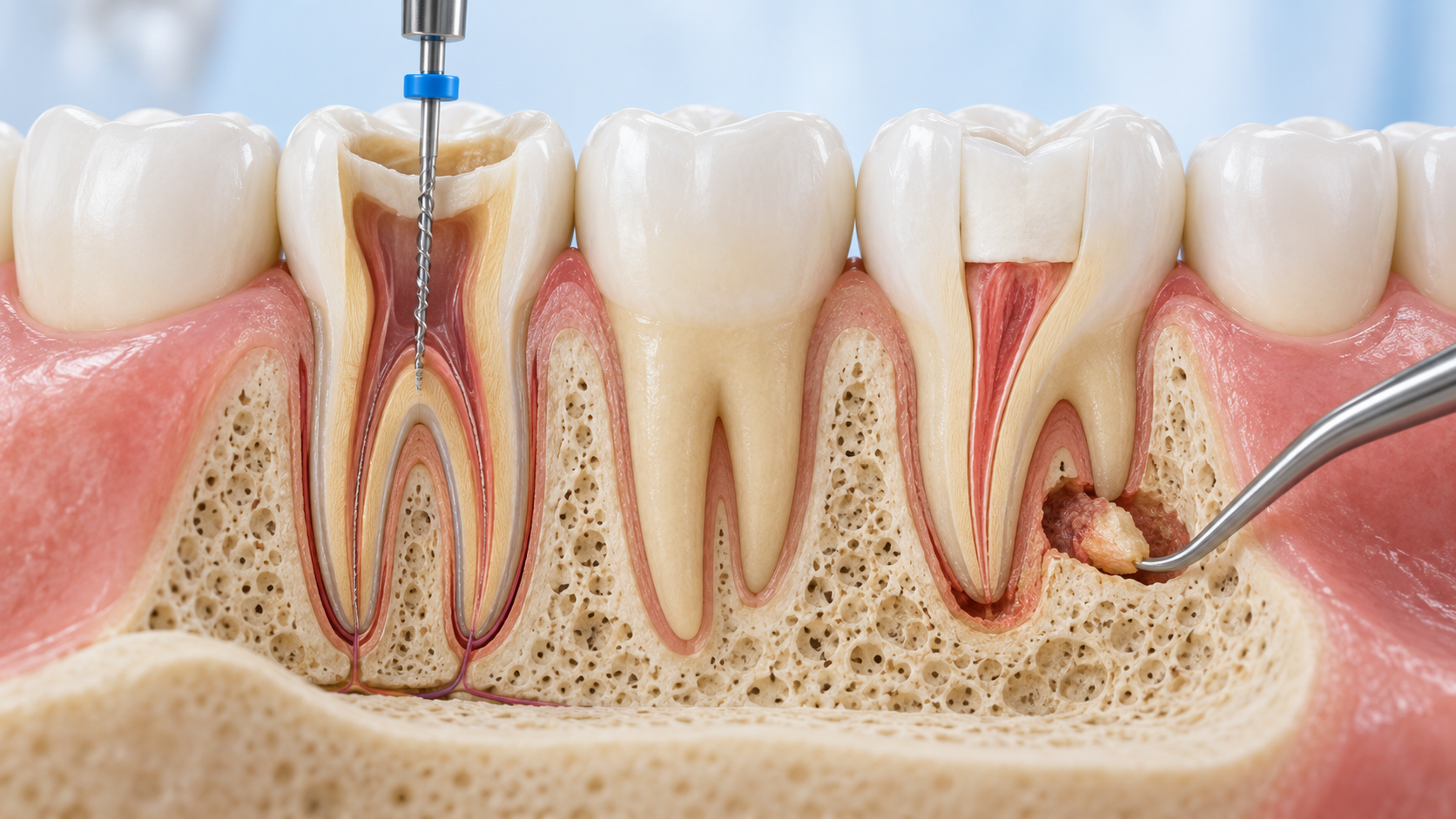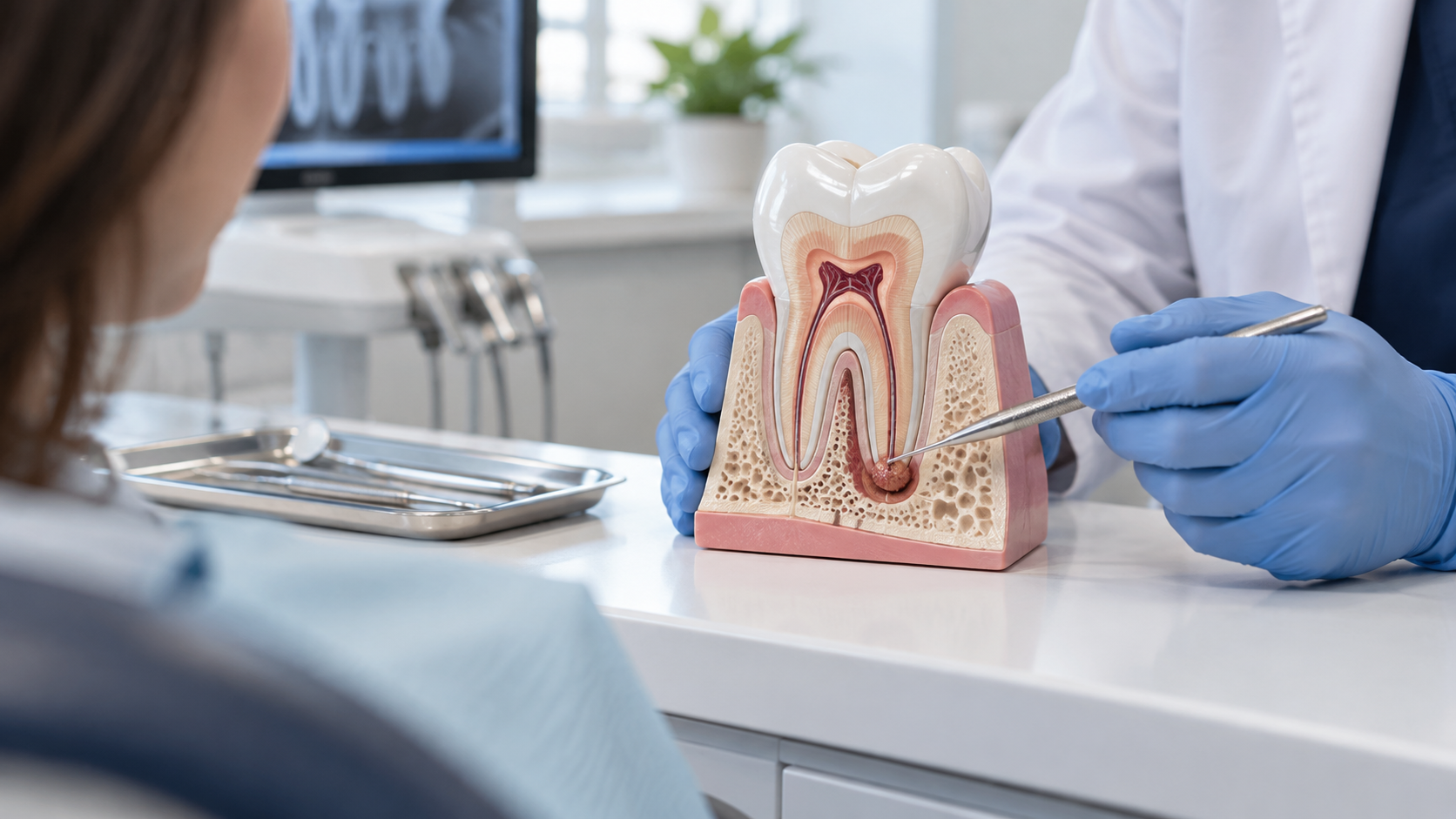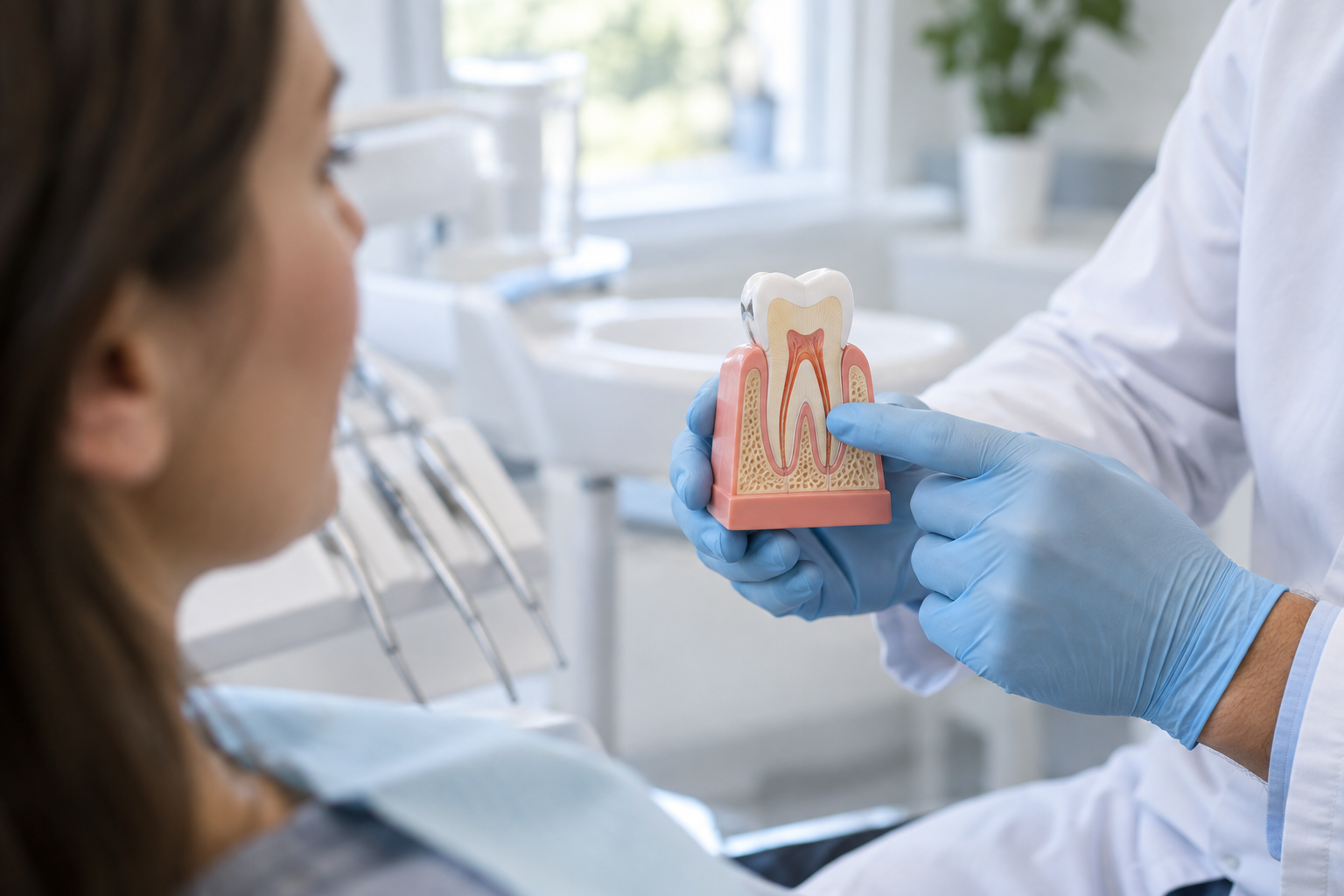
Gum disease is one of the most common oral health concerns, but it is also highly treatable when addressed early and managed properly. Also known as periodontal disease, gum disease develops when plaque, bacteria, and tartar build up around the teeth and gumline, leading to inflammation, infection, gum recession, bone loss, and, in advanced cases, tooth loss.
The best gum disease treatments depend on the stage of the condition, the amount of damage present, and the patient’s overall oral health needs. Some patients may benefit from deep cleaning and improved home care, while others may require more advanced periodontal therapy or surgical treatment. Understanding your options can help you make an informed decision about the right gum disease treatment for healthier gums, stronger teeth, and long-term smile protection.
What Is Gum Disease?
Gum disease is an infection of the tissues that support the teeth. It usually begins with plaque, a sticky film of bacteria that forms on the teeth. When plaque is not removed through brushing, flossing, and professional dental cleanings, it can harden into tartar and irritate the gums.
There are two main stages of gum disease:
- Gingivitis: The earliest stage of gum disease, typically marked by red, swollen, tender, or bleeding gums.
- Periodontitis: A more advanced form of gum disease that can damage the gums, periodontal ligaments, and bone supporting the teeth.
Gingivitis is often reversible with proper care. Periodontitis, however, requires professional periodontal treatment to control infection, prevent further damage, and preserve the teeth whenever possible.
Common Signs You May Need Gum Disease Treatment
Many people do not realize they have gum disease until the condition has progressed. This is why regular dental visits are essential. However, there are several warning signs that may indicate you need gum disease treatment.
Common symptoms include:
- Gums that bleed when brushing or flossing
- Red, swollen, or tender gums
- Persistent bad breath
- Gum recession or teeth that look longer
- Loose or shifting teeth
- Pain when chewing
- Pus between the gums and teeth
- Changes in your bite
- Increased tooth sensitivity
- Deep pockets around the teeth
If you notice any of these symptoms, it is important to schedule a periodontal evaluation. Early treatment can help prevent more serious complications and may reduce the need for surgical care.
Non-Surgical Gum Disease Treatments
Non-surgical periodontal care is often the first approach for treating early to moderate gum disease. These treatments focus on removing bacteria, plaque, tartar, and irritants from around the teeth and below the gumline.
1. Professional Dental Cleaning
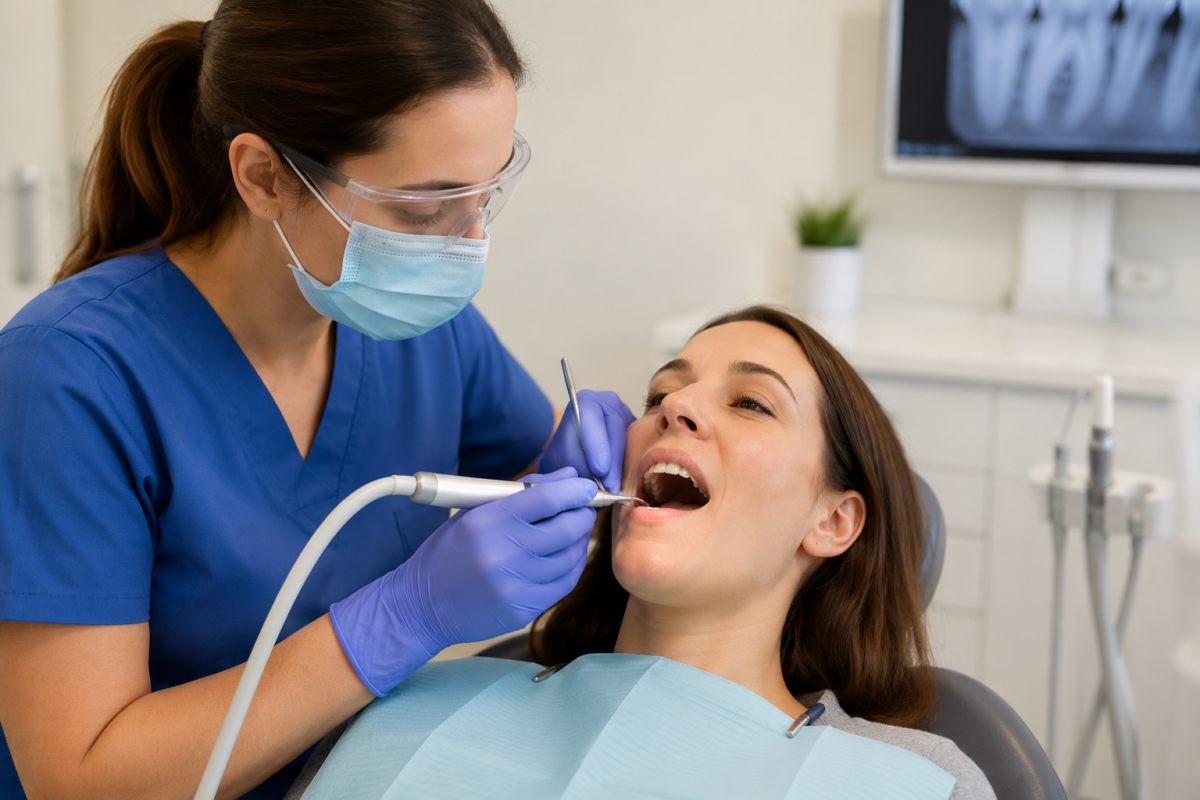
For patients with gingivitis or early signs of gum inflammation, a professional dental cleaning may be enough to restore healthier gums. During a cleaning, dental professionals remove plaque and tartar from the tooth surfaces and around the gumline.
This type of treatment may be recommended when gum disease has not yet caused deep periodontal pockets or bone loss. It is often paired with improved brushing, flossing, and follow-up visits to monitor gum health.
Professional cleanings can help:
- Reduce plaque and tartar buildup
- Lower the risk of gum inflammation
- Freshen breath
- Support healthier gum tissue
- Prevent gingivitis from progressing into periodontitis
2. Scaling and Root Planing
Scaling and root planing is one of the most common non-surgical gum disease treatments for periodontitis. It is often called a “deep cleaning” because it removes plaque and tartar from below the gumline where regular cleanings cannot reach.
Scaling removes plaque, tartar, and bacteria from the tooth surfaces and periodontal pockets. Root planing smooths the root surfaces, making it harder for bacteria to reattach and easier for the gums to heal against the teeth. The ADA describes scaling and root planing as a treatment for chronic periodontitis and notes that it involves cleaning below the gumline and smoothing the tooth roots.
Scaling and root planing may be recommended for patients with:
- Gum pockets deeper than normal
- Bleeding gums
- Gum recession
- Tartar buildup below the gumline
- Early to moderate periodontitis
- Inflammation that does not improve with routine cleaning
Depending on the severity of the disease, scaling and root planing may be completed in one visit or divided into sections of the mouth over multiple appointments. Local anesthesia may be used to keep the patient comfortable.
3. Localized Antibiotic Therapy
In some cases, antibiotics may be used as an additional part of gum disease treatment. These may be placed directly into periodontal pockets after scaling and root planing or prescribed in another form depending on the patient’s condition.
Localized antibiotic therapy is designed to help reduce bacteria in deeper gum pockets. It is not usually a substitute for mechanical cleaning, but it may support healing when combined with professional periodontal treatment.
This option may be considered when:
- Certain pockets remain inflamed
- Bacterial infection is more advanced
- The patient has recurring periodontal inflammation
- Additional support is needed after deep cleaning
4. Antimicrobial Rinses
Antimicrobial mouth rinses may be recommended as part of a periodontal care plan. These rinses can help reduce bacteria in the mouth and support gum healing. Some are available over the counter, while others may be prescribed by a dental professional.
Antimicrobial rinses may be helpful for patients who have:
- Ongoing gum inflammation
- Difficulty cleaning certain areas
- Gum disease maintenance needs
- Recent periodontal treatment
- Higher risk for plaque buildup
While rinses can support oral hygiene, they should not replace brushing, flossing, or professional periodontal treatment.
5. Laser Periodontal Therapy
Laser therapy may be used in some periodontal treatment plans to target diseased tissue and bacteria around the gums. Lasers can be used in different ways depending on the technology, wavelength, power level, and specific periodontal procedure.
The American Academy of Periodontology notes that lasers may be used to treat periodontal disease, while also emphasizing that outcomes can vary and that improper settings may damage periodontal tissues. For this reason, laser periodontal care should be performed by trained dental professionals who understand the appropriate use of the technology.
Laser therapy may be used to support:
- Bacterial reduction
- Treatment of inflamed gum tissue
- Improved access to periodontal pockets
- Certain minimally invasive periodontal procedures
Not every patient is a candidate for laser treatment, and it may be recommended as an adjunct to other periodontal therapies rather than a stand-alone solution.
6. Periodontal Maintenance
After active gum disease treatment, patients often need periodontal maintenance instead of standard routine cleanings. Periodontal maintenance is a specialized cleaning schedule designed to help control gum disease and prevent recurrence.
This type of care usually occurs more frequently than traditional dental cleanings. Many patients with a history of periodontitis need maintenance visits every three to four months, although the exact schedule depends on the patient’s condition.
Periodontal maintenance may include:
- Removing plaque and tartar above and below the gumline
- Rechecking gum pocket depths
- Monitoring bleeding and inflammation
- Evaluating bone support
- Reviewing brushing and flossing technique
- Identifying areas at risk for recurring infection
Because periodontitis is often a long-term condition, maintenance is one of the most important parts of protecting gum health after treatment.
Surgical Gum Disease Treatments
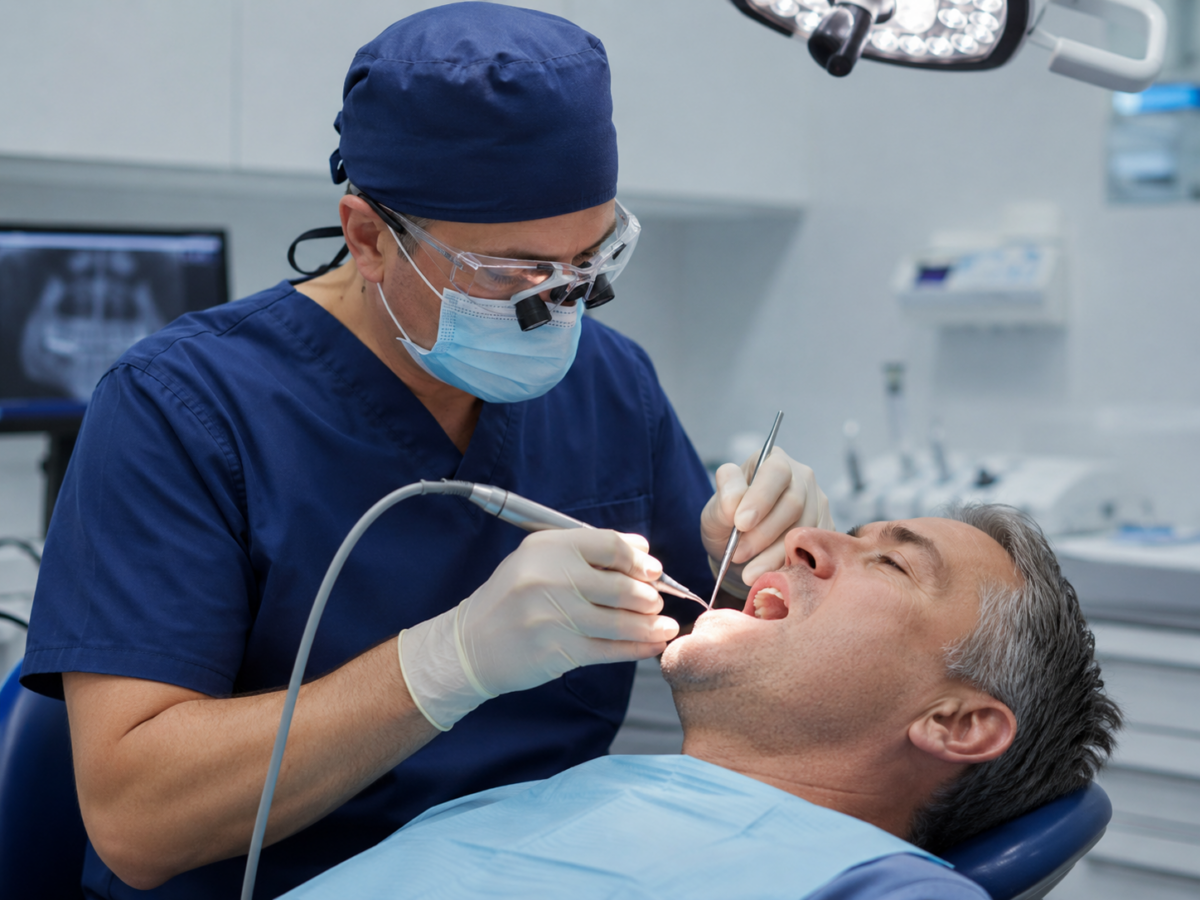
When gum disease is more advanced, non-surgical treatment may not be enough to fully clean deep pockets or repair damaged support structures. Surgical gum disease treatments may be recommended when infection, bone loss, gum recession, or deep periodontal pockets remain after initial therapy.
1. Pocket Reduction Surgery
Pocket reduction surgery, also known as flap surgery or osseous surgery, is used to access deep areas around the teeth that cannot be cleaned effectively with non-surgical methods alone. During the procedure, the gum tissue is gently lifted back so the periodontist can remove bacteria, tartar, and infected tissue from deeper areas.
The underlying bone may also be reshaped when needed to reduce irregular areas where bacteria can collect. The gums are then repositioned to help reduce pocket depth and make the teeth easier to keep clean.
Pocket reduction surgery may be recommended for patients with:
- Deep periodontal pockets
- Advanced tartar buildup below the gumline
- Bone irregularities caused by gum disease
- Persistent inflammation after scaling and root planing
- Increased risk of tooth loss
The goal is to reduce bacterial hiding places and create a healthier environment that patients can maintain at home.
2. Gum Grafting
Gum recession is a common result of periodontal disease, aggressive brushing, thin gum tissue, or other oral health factors. When the gums pull away from the teeth, the tooth roots may become exposed. This can lead to sensitivity, a longer-looking tooth appearance, and a higher risk of root decay.
Gum grafting is a surgical procedure used to add tissue to areas where the gums have receded. The tissue may come from the patient’s own mouth or from donor material, depending on the case and the periodontist’s recommendation.
Gum grafting can help:
- Cover exposed tooth roots
- Reduce sensitivity
- Improve gumline appearance
- Protect roots from decay
- Strengthen thin or weakened gum tissue
This treatment is often recommended when gum recession affects comfort, appearance, or long-term tooth stability.
3. Bone Grafting
Advanced periodontitis can cause bone loss around the teeth. When the supporting bone is damaged, teeth may become loose or unstable. Bone grafting is used to help rebuild or support areas where bone has been lost.
During a bone grafting procedure, grafting material is placed in areas of bone deficiency. Over time, this material may support the body’s natural healing response and help encourage new bone formation.
Bone grafting may be used to:
- Rebuild bone damaged by gum disease
- Support teeth affected by periodontal bone loss
- Prepare the mouth for dental implants
- Improve long-term oral stability
- Restore support in specific areas of the jaw
Not every case of bone loss can be fully reversed, but bone grafting can be an important option for preserving oral health and supporting future treatment planning.
4. Guided Tissue Regeneration
Guided tissue regeneration is a periodontal procedure designed to help regenerate lost bone and tissue in specific areas. A special membrane is placed between the gum tissue and bone to guide healing and help prevent soft tissue from growing into the area where bone regeneration is desired.
This treatment may be recommended when there are specific bone defects around the teeth that may respond well to regenerative therapy. It is often used in combination with bone grafting.
Guided tissue regeneration may help:
- Support new bone growth
- Improve periodontal stability
- Treat certain types of bone defects
- Preserve natural teeth when possible
- Improve the foundation for long-term oral health
5. Crown Lengthening
Crown lengthening is sometimes used in periodontal care when excess gum tissue covers too much of the tooth structure or when a tooth needs more exposed structure for a restoration. While it is not always a gum disease treatment in the traditional sense, it is a periodontal procedure that may be part of a broader oral health plan.
Crown lengthening may be recommended to:
- Improve access to damaged tooth structure
- Support a crown or filling
- Reshape uneven gum tissue
- Improve gumline balance
- Help restore a tooth affected by decay or fracture
This treatment can be functional, cosmetic, or both depending on the patient’s needs.
6. Tooth Extraction and Replacement Planning
In severe cases, gum disease may damage the bone and support around a tooth so extensively that saving the tooth is no longer predictable. When this happens, extraction may be recommended to remove infection, protect surrounding teeth, and begin planning for replacement options.
Tooth replacement options may include:
- Dental implants
- Implant-supported bridges
- Full arch implant restorations
- Traditional bridges
- Dentures or implant-supported dentures
For patients with advanced periodontal disease and multiple failing teeth, full arch dental implants may offer a stable, long-term solution for restoring chewing function, smile appearance, and quality of life.
Comparing Gum Disease Treatment Options
Treatment Option | Best For | Main Goal |
Professional Cleaning | Gingivitis or prevention | Remove plaque and tartar before disease progresses |
Scaling and Root Planing | Early to moderate periodontitis | Deep clean below the gumline and reduce infection |
Antibiotic Therapy | Bacterial infection | Reduce harmful bacteria in periodontal pockets |
Periodontal Maintenance | Ongoing periodontal care | Prevent gum disease from returning or worsening |
Laser Therapy | Select periodontal cases | Remove infected tissue and reduce bacteria |
Pocket Reduction Surgery | Deep gum pockets | Improve access for cleaning and reduce disease progression |
Gum Grafting | Gum recession | Cover exposed roots and protect the gumline |
Bone Grafting | Bone loss | Rebuild support around teeth or prepare for implants |
Guided Tissue Regeneration | Periodontal defects | Encourage bone and tissue regeneration |
Extraction and Replacement | Severely damaged teeth | Remove infection and restore function with replacement teeth |
Which Gum Disease Treatment Is Best for You?
The best gum disease treatment depends on your diagnosis. For mild cases, improved home care and professional cleanings may be enough. For moderate gum disease, scaling and root planing with periodontal maintenance may be recommended. For advanced periodontitis, surgical treatment may be necessary to reduce deep pockets, repair tissue, or address bone loss.
Patients should also consider factors such as:
- Severity of gum disease
- Overall health
- Smoking or tobacco use
- Diabetes or immune system concerns
- Bone loss
- Tooth mobility
- Gum recession
- Long-term tooth replacement goals
- Personal comfort and treatment preferences
A periodontist can help determine the most effective option based on a complete evaluation. The earlier gum disease is treated, the more likely it is that natural teeth can be preserved.
Periodontal Care at Foundation Dental Specialists in Pasadena
At Foundation Dental Specialists in Pasadena, our periodontists and endodontists are passionate about providing patients with improved dental care. We understand that gum disease can affect comfort, confidence, and long-term oral health, which is why we create customized treatment plans based on strong scientific evidence, clinical judgment, experience, and patient preference.
Our team provides advanced periodontal care for patients with mild, moderate, and advanced gum disease. From non-surgical gum disease treatments to surgical periodontal procedures, we focus on helping patients restore healthier gums and protect their natural teeth whenever possible. For patients with extensive tooth loss or failing teeth, we also offer full arch implant restorations as a comprehensive solution for rebuilding the smile with strength, stability, and function.

Take the Next Step Toward Healthier Gums. Contact Foundation Dental Specialists Today to Schedule a Consultation
Gum disease can progress quietly, but timely treatment can help protect your teeth, gums, bone support, and overall oral health. Whether you need a periodontal evaluation, scaling and root planing, surgical gum disease treatment, or a more advanced restorative plan, the right care can make a meaningful difference in the health and future of your smile.
If you live in Pasadena or the surrounding area and are concerned about bleeding gums, gum recession, loose teeth, or other signs of periodontal disease, contact Foundation Dental Specialists today. Our team is here to answer your questions, explain your treatment options, and help you schedule an appointment for personalized periodontal care.