When a tooth continues to cause pain, swelling, or infection after a root canal, it does not always mean the tooth needs to be removed. In many cases, an advanced endodontic treatment may still be able to save the natural tooth. One of those treatments is an apicoectomy, also known as root-end surgery.
So, what is an apicoectomy, and how do you know when you may need one? This article explains what an apicoectomy is, why this treatment may be recommended after persistent root canal infection, what patients can expect from the apicoectomy procedure, and how advanced endodontic care can help preserve a natural tooth whenever possible.
What Is An Apicoectomy?
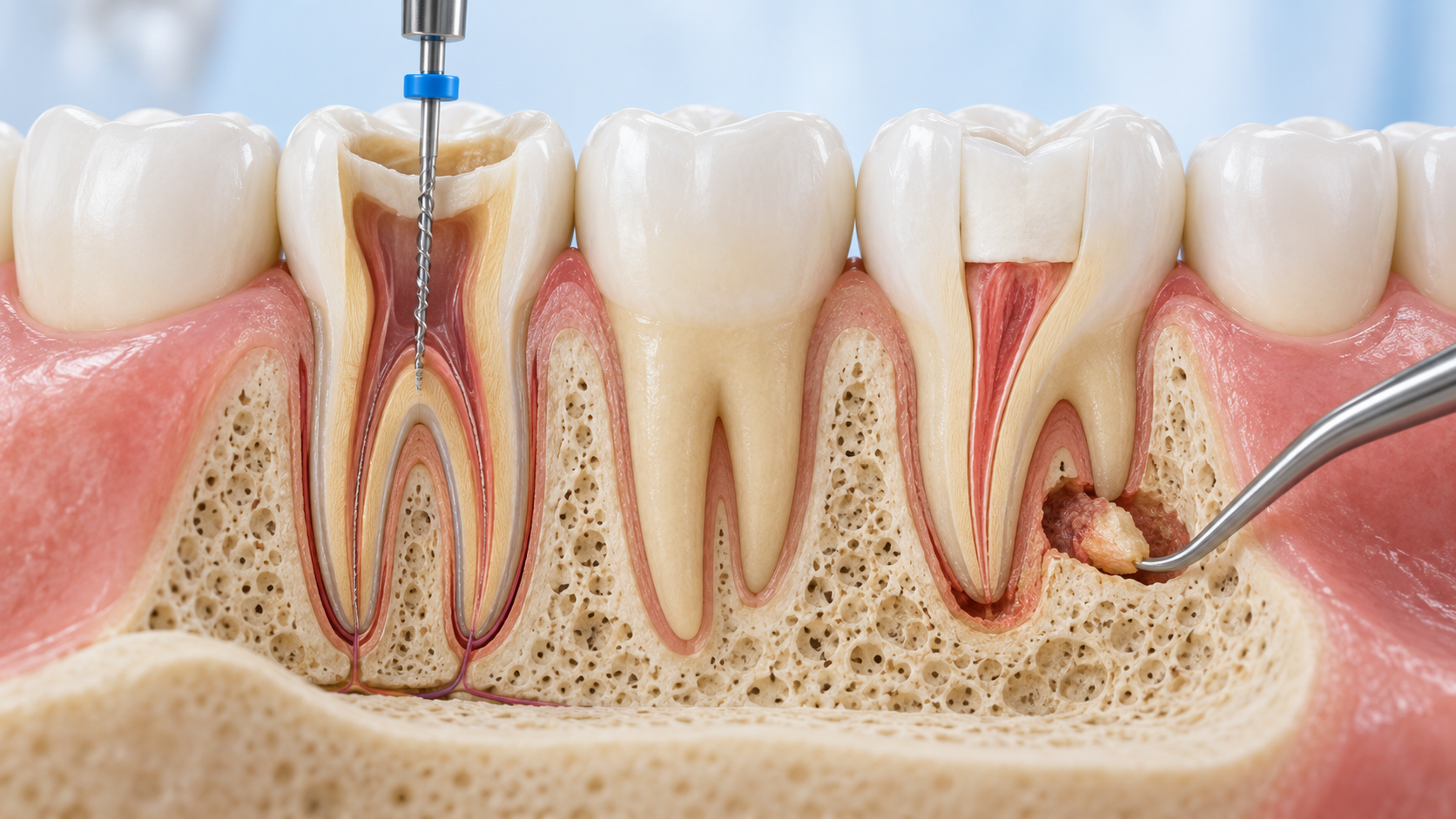
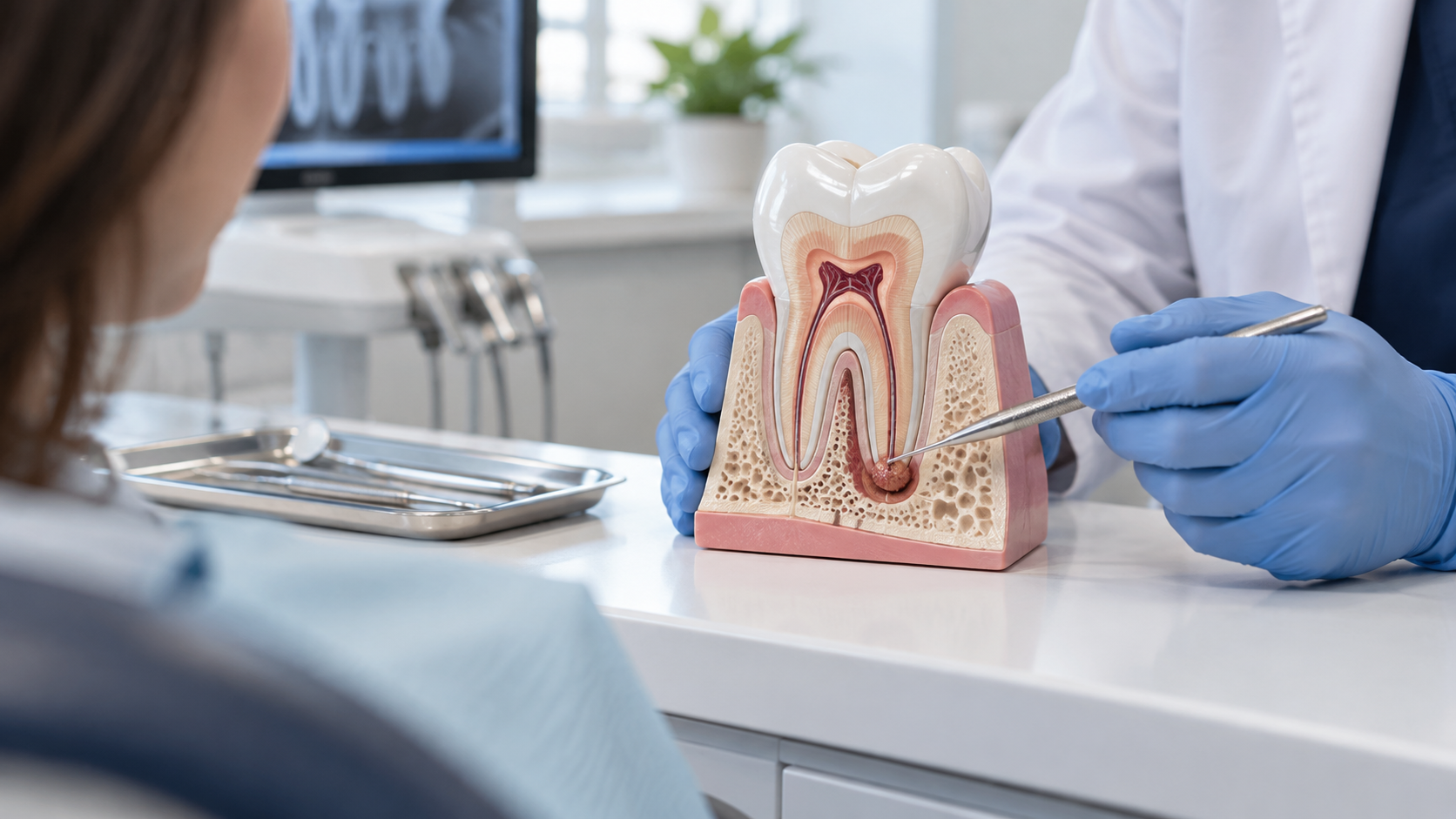
An apicoectomy is a specialized endodontic surgical procedure used to treat infection or inflammation near the tip of a tooth root. While a traditional root canal treats the inside of the tooth, an apicoectomy treats the problem from the outside, through the gum tissue and surrounding bone.
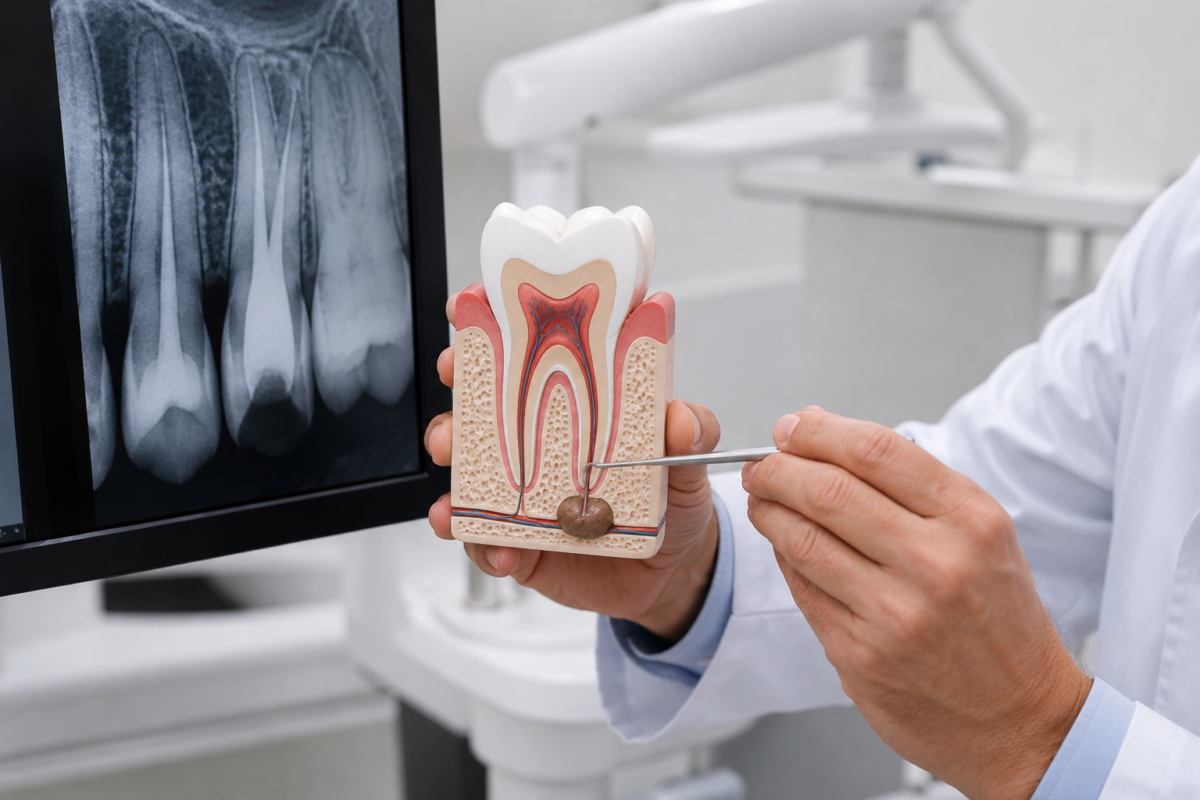
During the procedure, the endodontist makes a small incision in the gums near the affected tooth. This allows access to the root tip and the infected tissue around it. The very end of the root is removed, the area is carefully cleaned, and a small filling is usually placed at the root end to help seal the canal and prevent bacteria from re-entering.
An apicoectomy may sound complex, but it is typically a precise, targeted procedure. With modern endodontic microsurgery, advanced imaging, and high-powered magnification, many teeth that once may have required extraction can now be treated and preserved.
How Is an Apicoectomy Procedure Different From a Root Canal?
A root canal and an apicoectomy both aim to remove infection and save a natural tooth, but they approach the problem differently.
A root canal treats infection inside the tooth. The dentist or endodontist removes infected pulp, cleans and disinfects the canals, and seals the inside of the tooth.
An apicoectomy procedure is usually recommended when infection remains around the root tip after root canal treatment or when certain areas cannot be reached through the inside of the tooth. Instead of reopening the tooth from the top, the endodontist accesses the root end through the gum tissue.
In simple terms:
- A root canal treats the tooth from the inside.
- An apicoectomy treats the root tip from the outside.
- A root canal is often the first treatment option.
- An apicoectomy is usually considered when root canal therapy or retreatment cannot fully resolve the problem.
When Do I Need an Apicoectomy?
You may need an apicoectomy if a tooth that has already had root canal therapy continues to show signs of infection, inflammation, or damage near the root tip. This can happen even when the original root canal was performed properly because some dental anatomy is extremely small, complex, or difficult to access.
An apicoectomy procedure may be recommended when:
- A previous root canal has not fully resolved the infection
- Infection returns after root canal treatment
- A cyst or abscess forms near the root tip
- Tiny accessory canals are blocked or unreachable
- The tooth root has unusual anatomy
- A small root fracture or irregularity is contributing to ongoing symptoms
- Retreatment through the crown or restoration is not ideal
- The tooth can still be saved rather than extracted
Persistent pain, tenderness when biting, swelling in the gums, or a recurring pimple-like bump near the tooth may all be signs that an infection is still present. However, some root-end infections cause little or no discomfort at first and may only be detected through dental imaging.
Why Would Infection Remain After a Root Canal?
Root canal therapy is highly effective, but teeth can have complex internal structures. Some roots contain tiny branches, curves, or hidden spaces where bacteria may remain. In other cases, a tooth may develop new leakage, a crack, or a persistent infection at the end of the root.
Common reasons infection may remain or return include:
- Narrow or curved canals that are difficult to fully clean
- Small accessory canals near the root tip
- Previous dental restorations that allow bacteria to re-enter
- Scar tissue or cysts around the root
- Root-end anatomy that cannot be accessed from inside the tooth
- Delayed treatment of a deep infection
An apicoectomy allows the endodontist to address the infection directly at the root end, without removing the entire tooth.
What Happens During an Apicoectomy Procedure?
The exact steps may vary depending on the tooth, the location of the infection, and the patient’s needs. In general, an apicoectomy procedure includes the following steps:
1. Diagnosis and Treatment Planning
Before recommending an apicoectomy, the endodontist evaluates the tooth, symptoms, dental history, and imaging. Digital X-rays or 3D imaging may be used to identify the source of the infection and determine whether the tooth is a good candidate for treatment.
2. Local Anesthesia
The area around the tooth is numbed to keep the patient comfortable during the procedure. Most apicoectomies are performed using local anesthesia.
3. Small Gum Incision
A small incision is made in the gum tissue near the affected tooth. This gives the endodontist access to the underlying bone and root tip.
4. Removal of Infected Tissue and Root Tip
The inflamed or infected tissue is removed, along with the very end of the root. Only a small portion of the root is typically removed.
5. Root-End Filling
After the root tip is cleaned and prepared, a small biocompatible filling material may be placed at the end of the root. This helps seal the canal and reduce the risk of reinfection.
6. Sutures and Healing
The gum tissue is repositioned and closed with sutures. Over time, the bone around the root end can heal.
Is an Apicoectomy Painful?
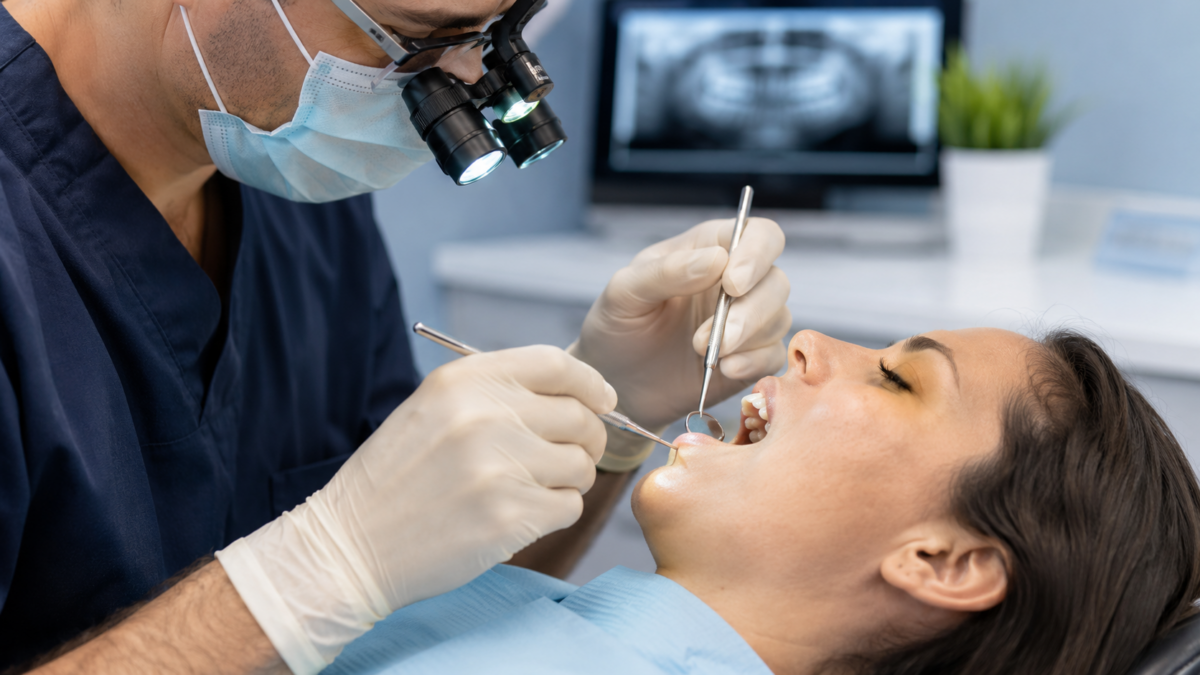
Most patients are surprised to learn that an apicoectomy is typically more comfortable than they expected. The area is thoroughly numbed before treatment, and the procedure is performed with careful precision.
Some soreness, swelling, or tenderness can occur after the appointment, especially as the anesthesia wears off. These symptoms are usually manageable with post-operative instructions provided by the dental team. Patients are often advised to rest, avoid chewing directly on the treated area, and keep the surgical site clean while it heals.
What Is Recovery Like After an Apicoectomy?
Recovery after an apicoectomy procedure is usually straightforward. Mild swelling or discomfort may occur for a few days, but many patients return to normal daily activities relatively quickly.
To support healing, patients may be advised to:
- Follow all aftercare instructions closely
- Avoid hard or crunchy foods near the surgical area
- Keep the area clean without disturbing the sutures
- Use cold compresses if recommended
- Take medications as directed
- Avoid smoking or using tobacco products during healing
- Attend any recommended follow-up appointments
Complete healing inside the bone takes longer than surface gum healing. Your endodontist may monitor the tooth over time with follow-up imaging to confirm that the area is improving.
What Are the Benefits of an Apicoectomy?
The biggest benefit of an apicoectomy is that it may help save a natural tooth that would otherwise be at risk of extraction. Keeping your natural tooth can help preserve your bite, jawbone support, chewing function, and smile.
Key benefits may include:
- Treating persistent infection at the root tip
- Preserving the natural tooth
- Avoiding extraction when possible
- Protecting surrounding teeth from shifting
- Supporting long-term oral function
- Addressing root-end problems with precision
While every case is different, an apicoectomy can be an excellent option when the tooth structure is still strong and the infection can be surgically treated.
Apicoectomy vs. Tooth Extraction: Which Is Better?
Tooth extraction may be necessary in some situations, especially if the tooth is severely fractured, structurally compromised, or cannot be predictably restored. However, when a tooth can be saved, preserving it is often preferred.
An apicoectomy may be considered before extraction when:
- The tooth has enough healthy structure remaining
- The infection is localized near the root tip
- The tooth is important for chewing or smile aesthetics
- The patient wants to preserve their natural tooth
- The endodontist believes the tooth has a favorable prognosis
Extraction removes the problem tooth, but it may lead to the need for a dental implant, bridge, or partial denture. An apicoectomy focuses on saving the natural tooth by treating the infection at its source.
How Advanced Technology Improves the Apicoectomy Procedure
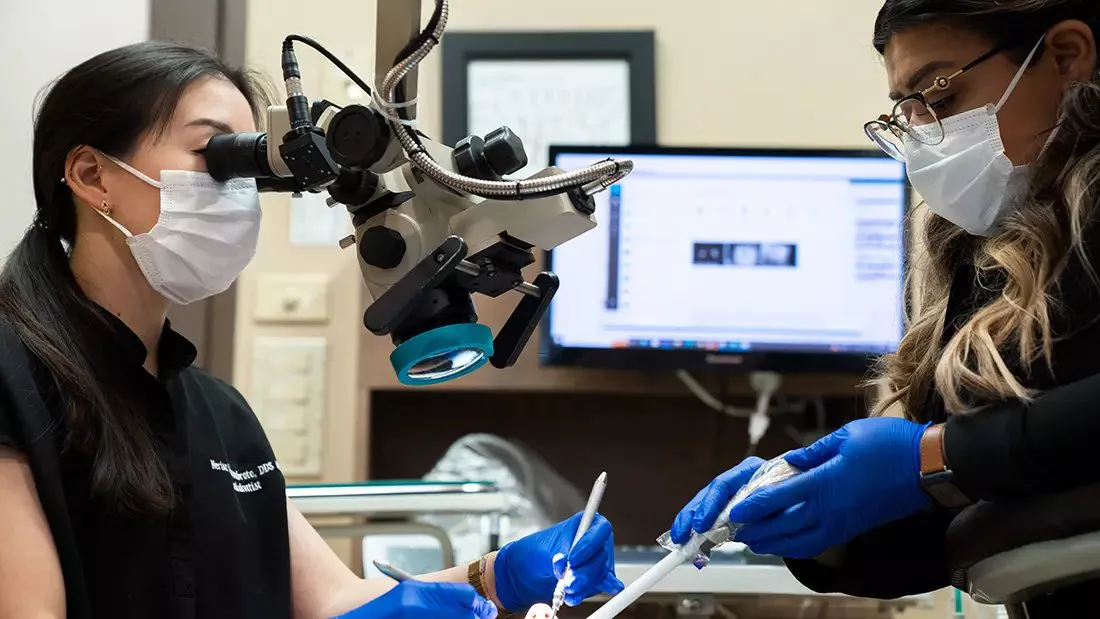
Modern endodontic microsurgery has made the apicoectomy procedure more precise than ever. High-powered magnification, microsurgical instruments, advanced imaging, and careful planning allow endodontists to treat very small areas with exceptional accuracy.
Digital imaging is especially important because it helps identify the location, size, and complexity of the infection. In some cases, 3D imaging can reveal root anatomy, bone changes, or hidden concerns that may not be visible on standard dental X-rays.
This level of detail supports better diagnosis, more conservative treatment, and more predictable care.
Apicoectomy Care at Foundation Dental Specialists in Pasadena
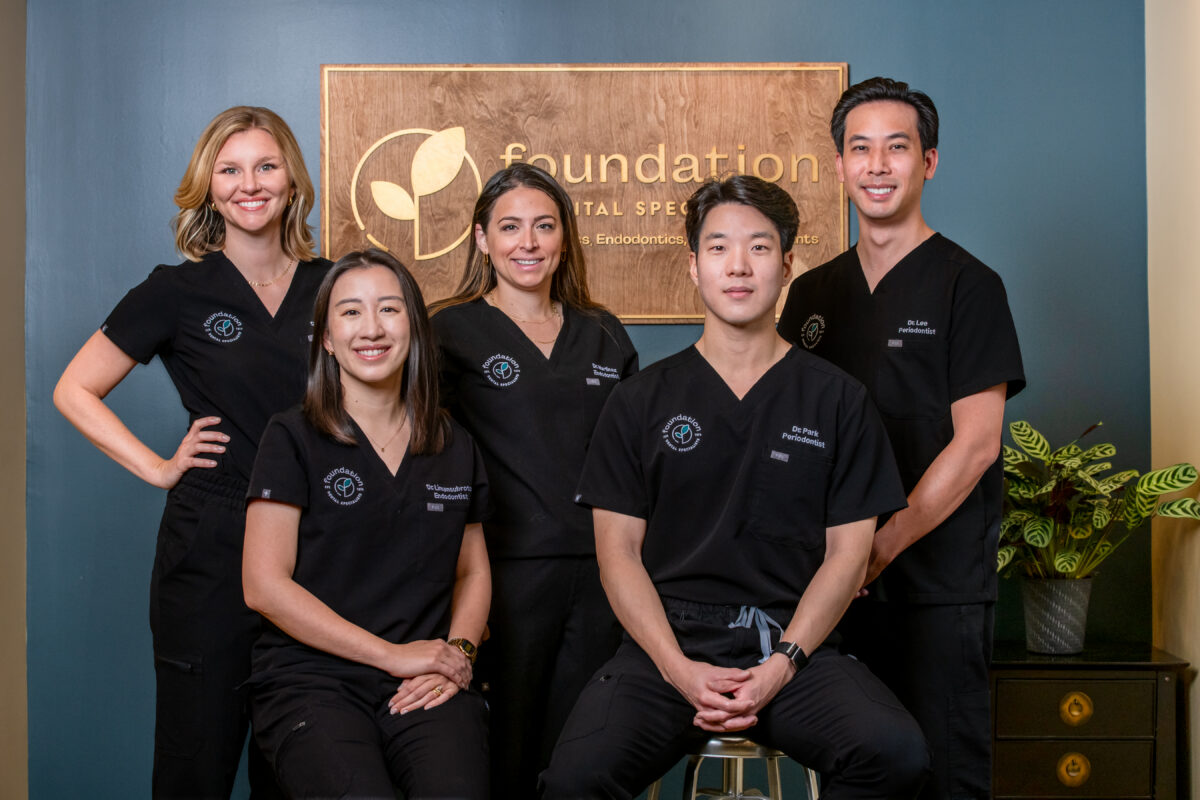
At Foundation Dental Specialists in Pasadena, our periodontists and endodontists are passionate about providing patients with improved dental care through thoughtful, customized treatment planning. We combine strong scientific evidence, clinical judgment, experience, and patient preferences to help patients make informed decisions about their oral health.
Our team provides advanced endodontic care, including endodontic microsurgery, root canal therapy, and emergency root canals in severe cases. Endodontic microsurgery allows us to treat intricate areas of a damaged or infected tooth using specialized instruments, high-powered magnification, and modern techniques designed for precision. For patients with persistent root-end infections, an apicoectomy may make it possible to save a tooth that might otherwise need to be removed.
We also use advanced digital imaging techniques, including our CBCT scanner, to support accurate diagnosis and treatment planning. CBCT imaging provides detailed 3D views of teeth, roots, bone, and surrounding structures, helping our specialists better understand complex cases before treatment begins.
Schedule an Apicoectomy Consultation in Pasadena
If you have ongoing tooth pain, swelling, a recurring dental abscess, or a tooth that has not healed properly after root canal therapy, an apicoectomy may be an option worth exploring. The only way to know for sure is to schedule an evaluation with an experienced endodontic specialist.
At Foundation Dental Specialists in Pasadena, we are here to help patients understand their options and receive precise, personalized care. Whether you need root canal therapy, endodontic microsurgery, or urgent treatment for a severe dental infection, our team is ready to help you protect your oral health and preserve your natural smile whenever possible.
Contact Foundation Dental Specialists today to learn more about the apicoectomy procedure or to schedule an appointment with our Pasadena dental specialists.