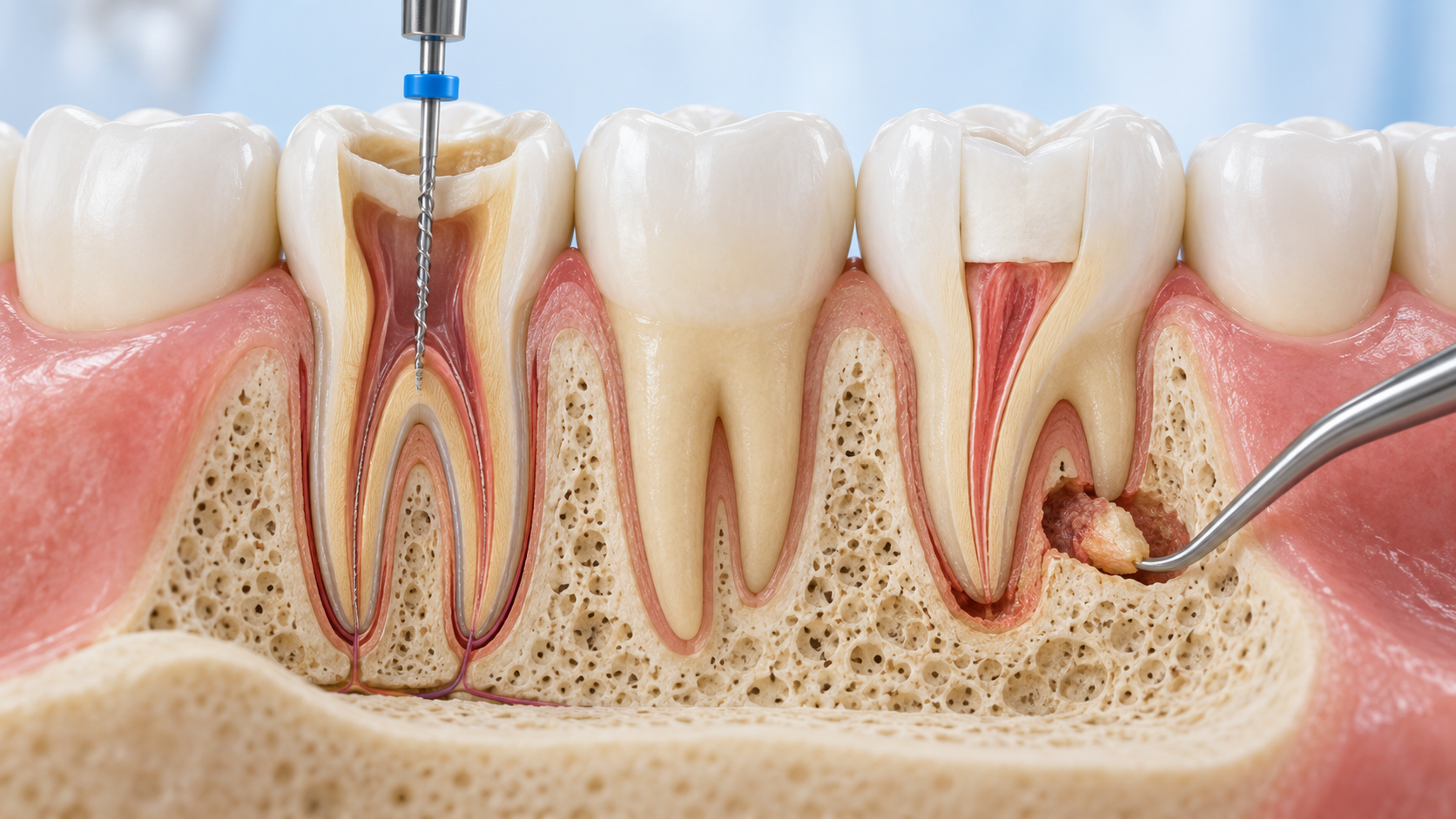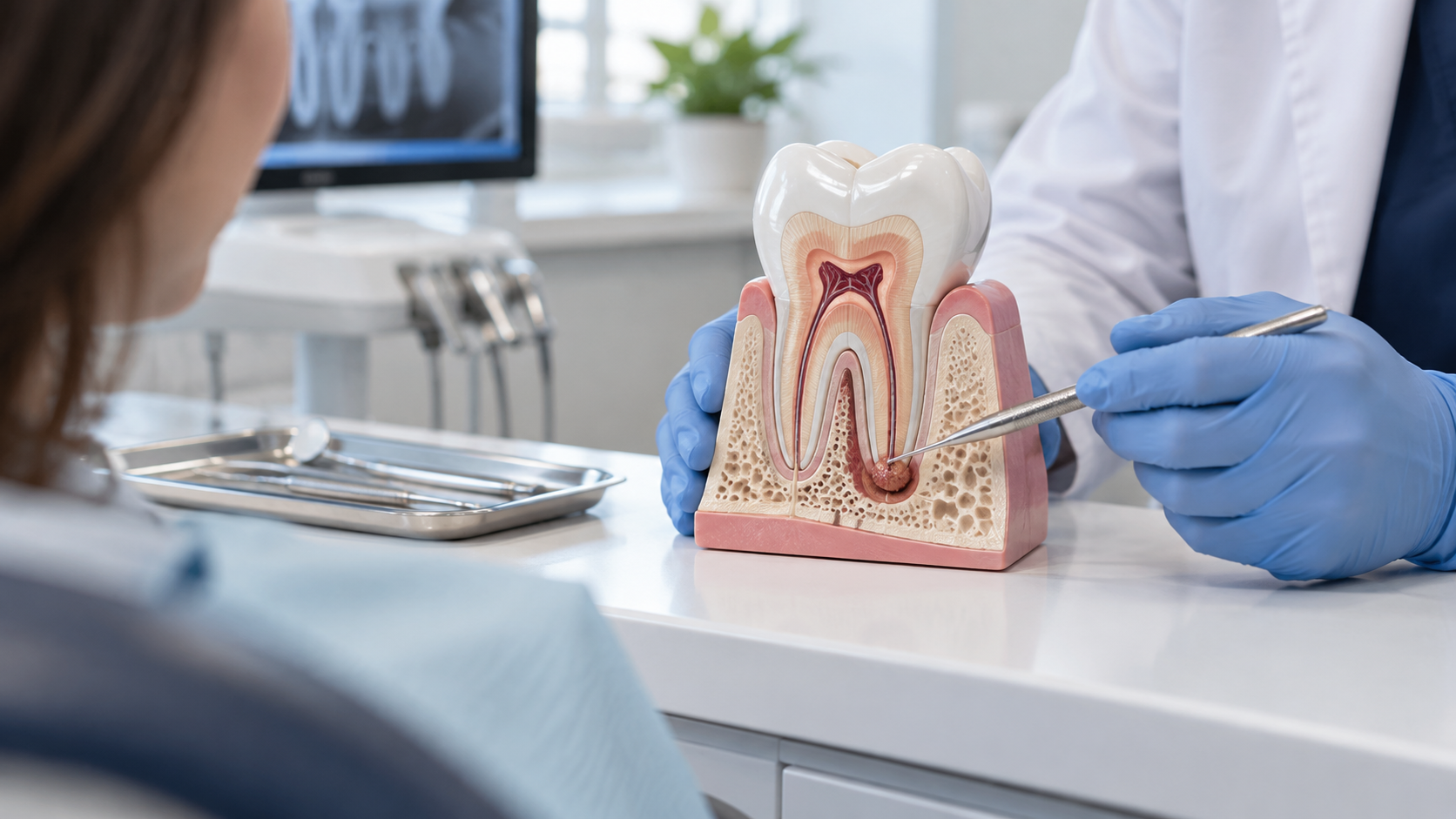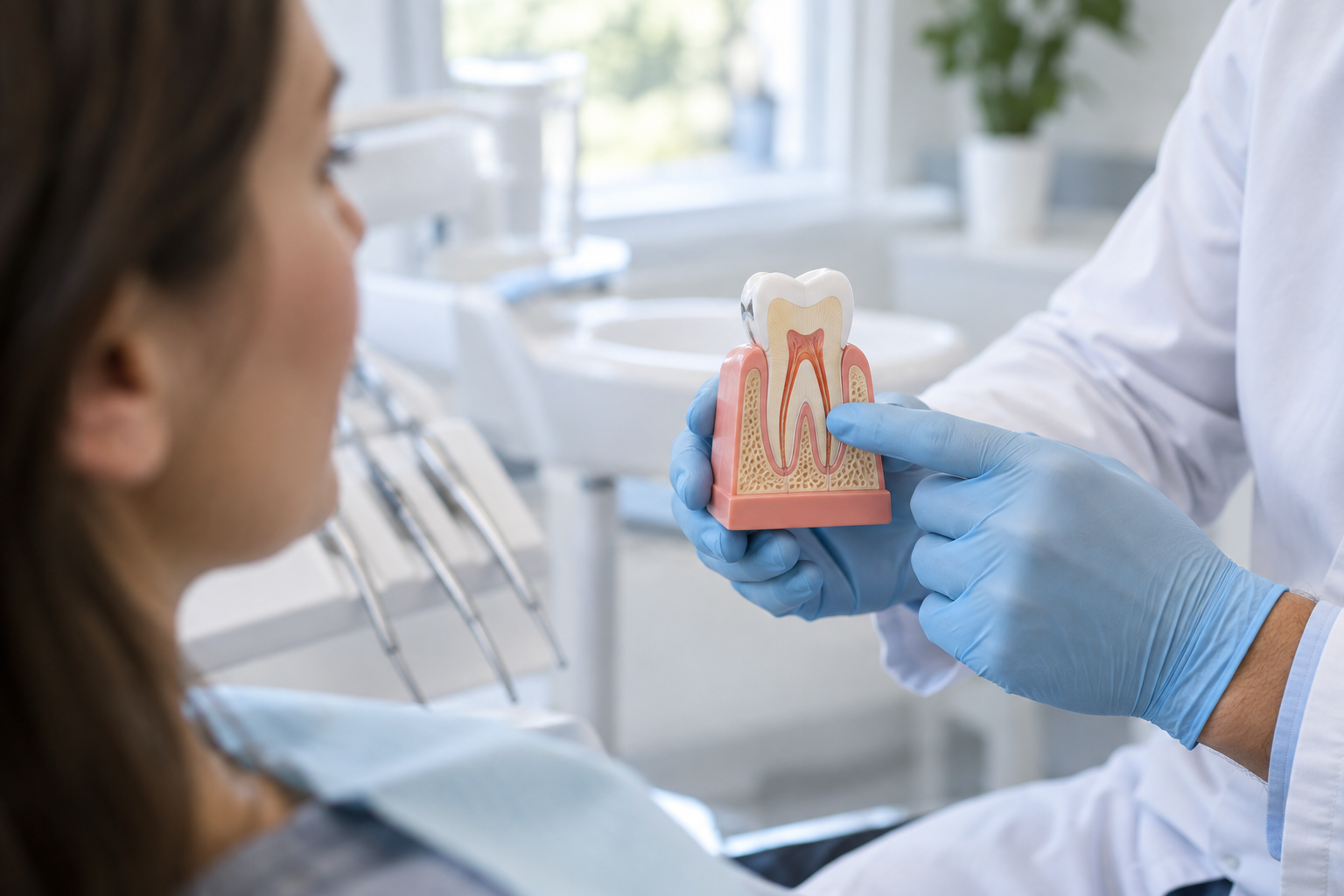
Root canal treatment is designed to remove infected or inflamed tissue from inside a tooth, clean the root canal system, and seal the space to help preserve the natural tooth. Although root canal therapy is highly effective, there are situations in which infection or inflammation may remain or return after treatment. A tooth infection after root canal treatment can develop because of complex root anatomy, undetected canals, new damage to the tooth, or other factors that allow bacteria to persist or re-enter the area.
If you suspect that you have a tooth infected after root canal treatment, an evaluation by an endodontist can help determine what is happening beneath the surface. Understanding the potential causes, recognizing the symptoms of an infected tooth root, and learning about available treatment options can help you seek appropriate care before the problem becomes more extensive.
How a Tooth Infection After Root Canal Can Develop
There are several reasons an infection can remain or return following root canal therapy. Teeth can have extremely complex internal anatomy, and some problems may not be visible or accessible during the original treatment.
Common causes can include the following.
Undetected or Inaccessible Root Canals
A tooth does not always have a simple root canal system. Some teeth contain narrow, curved, branching, or accessory canals that can be difficult to detect or reach during conventional treatment.
If bacteria remain within one of these areas, inflammation or infection can persist around the root even after the main canals have been treated.
Complex Root Anatomy
Small branches can extend from the primary canal throughout the root. These accessory canals may create areas where bacteria and infected tissue can remain.
Calcification can also cause a canal to become extremely narrow. The American Association of Endodontists notes that endodontic surgery may sometimes be necessary when calcium deposits prevent conventional instruments from reaching the end of a root canal.
A New Crack or Fracture
A tooth that has undergone root canal therapy can still develop structural damage later.
A small crack may allow bacteria to enter areas around the root or previously treated canal system. Some fractures are difficult to identify using standard dental X-rays, which is one reason advanced diagnostic techniques may be valuable when unexplained symptoms continue.
Problems With a Crown or Restoration
Following root canal treatment, the tooth typically requires a filling, crown, or another restoration to protect it.
If that restoration becomes damaged, loose, or no longer provides an effective seal, bacteria may be able to re-enter the tooth. New decay around an existing restoration can create a similar pathway for bacterial contamination.
Persistent Infection Around the Root Tip
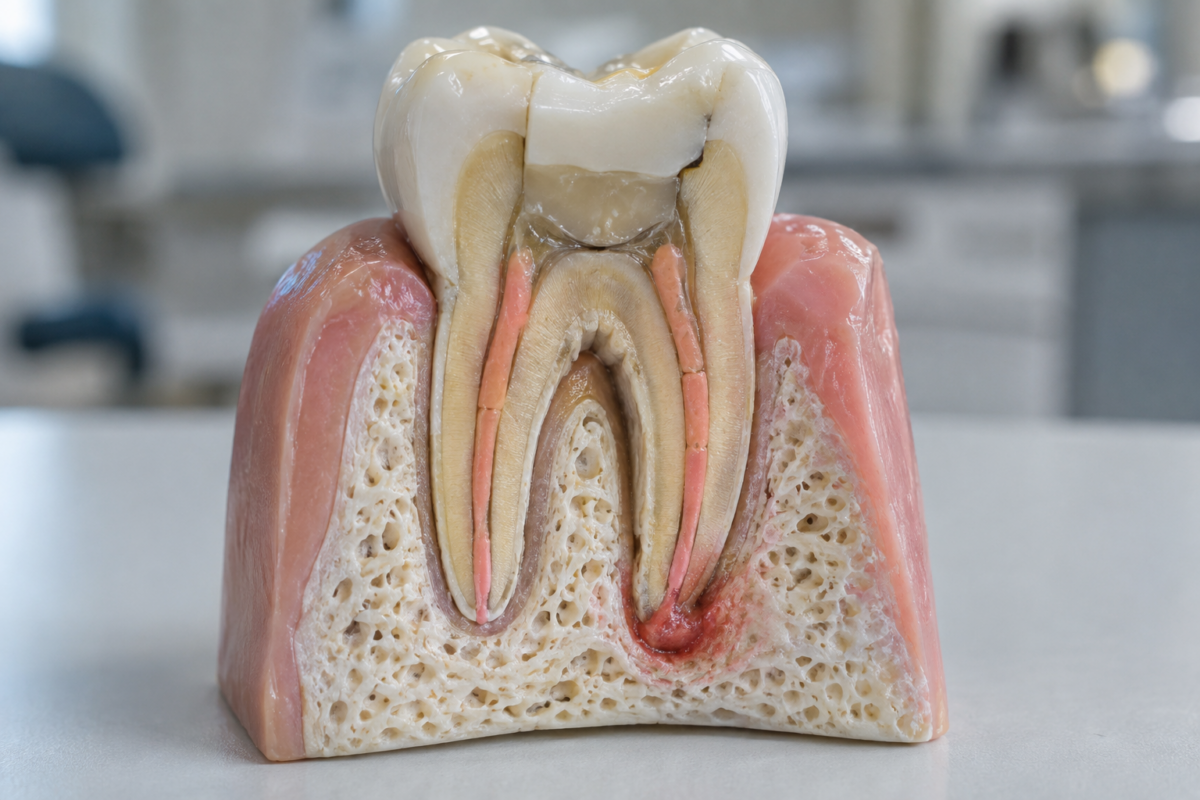
Sometimes the inside of the tooth has been treated, but infection or inflammation remains within the bone surrounding the very end of the root.
In these cases, conventional treatment through the top of the tooth may not provide direct access to the affected tissue. An apicoectomy approaches the problem from outside the tooth so the endodontist can remove diseased tissue surrounding the root tip.
Cysts or Abscesses Near the Root
Persistent infection can sometimes contribute to a lesion, cyst, or dental abscess around the end of the tooth root.
An abscess may cause pain, tenderness, swelling, or discomfort when chewing, although infections around a tooth root are not always painful.
Delayed or Incomplete Healing
Not every area visible around a previously treated tooth represents a new infection. Healing within the bone can take time, and symptoms can have several possible causes.
An endodontic evaluation is therefore important before assuming that a previous root canal has failed.
Symptoms of an Infected Tooth Root
The symptoms of an infected tooth root can vary depending on the severity and location of the infection. Some people experience significant discomfort, while others have relatively subtle symptoms that are discovered during a dental examination or imaging study.
Possible symptoms include:
- Persistent or recurring tooth pain
- Pain or pressure when biting or chewing
- Tenderness around the affected tooth
- Swollen or irritated gums
- A small bump or pimple on the gum near the tooth
- Drainage or an unpleasant taste in the mouth
- Swelling around the gum, jaw, or face
- A feeling that the tooth is sensitive to pressure
- Symptoms that disappear and later return
- A dental abscess or lesion visible on an X-ray
- Continued discomfort months or years after root canal treatment
Constant pain, pressure, swelling, and sensitivity to touch can potentially indicate an abscess involving the tissues surrounding a tooth and should be professionally evaluated.
Importantly, the absence of significant pain does not guarantee that everything is normal. Some infections around the root can progress with limited symptoms, which is why persistent changes around a previously treated tooth deserve evaluation.
How Long After a Root Canal Can a Tooth Become Infected?
Problems do not always appear immediately after treatment.
A persistent infection may produce symptoms relatively soon after the original root canal, while another tooth may initially feel completely normal and develop problems months or even years later. The American Association of Endodontists specifically notes that previously treated teeth can occasionally become painful or diseased after an extended period of time.
This delayed development can occur if bacteria remained in inaccessible anatomy, a new fracture develops, a restoration begins leaking, new decay forms, or another structural problem compromises the tooth.
Any new pain, swelling, drainage, or biting discomfort involving a previously root canal-treated tooth should therefore be assessed rather than dismissed simply because the procedure occurred a long time ago.
Diagnosing a Tooth Infected After Root Canal
Determining why a tooth remains painful or infected requires more than simply identifying the presence of discomfort.
An endodontist may review:
- Your original root canal treatment
- Current symptoms and when they began
- Existing crowns, fillings, or dental restorations
- Gum and surrounding tissue health
- The tooth’s response to biting and pressure
- Root structure and anatomy
- The condition of the surrounding jawbone
- Areas of infection or inflammation
- Possible fractures, blocked canals, or unusual anatomy
Dental X-rays may provide important information, while advanced three-dimensional imaging can offer additional detail when the anatomy or source of infection is difficult to identify.
A thorough diagnosis is especially important because pain near a root canal-treated tooth does not automatically mean the original treatment failed. The goal is to identify the actual source of the problem before deciding whether additional treatment is necessary.
Treatment Options for Tooth Infection After Root Canal
Treatment for a tooth infection after root canal therapy depends on why the infection developed, the location of the problem, the condition of the tooth, and whether the natural tooth can reasonably be preserved.
Common options may include the following.
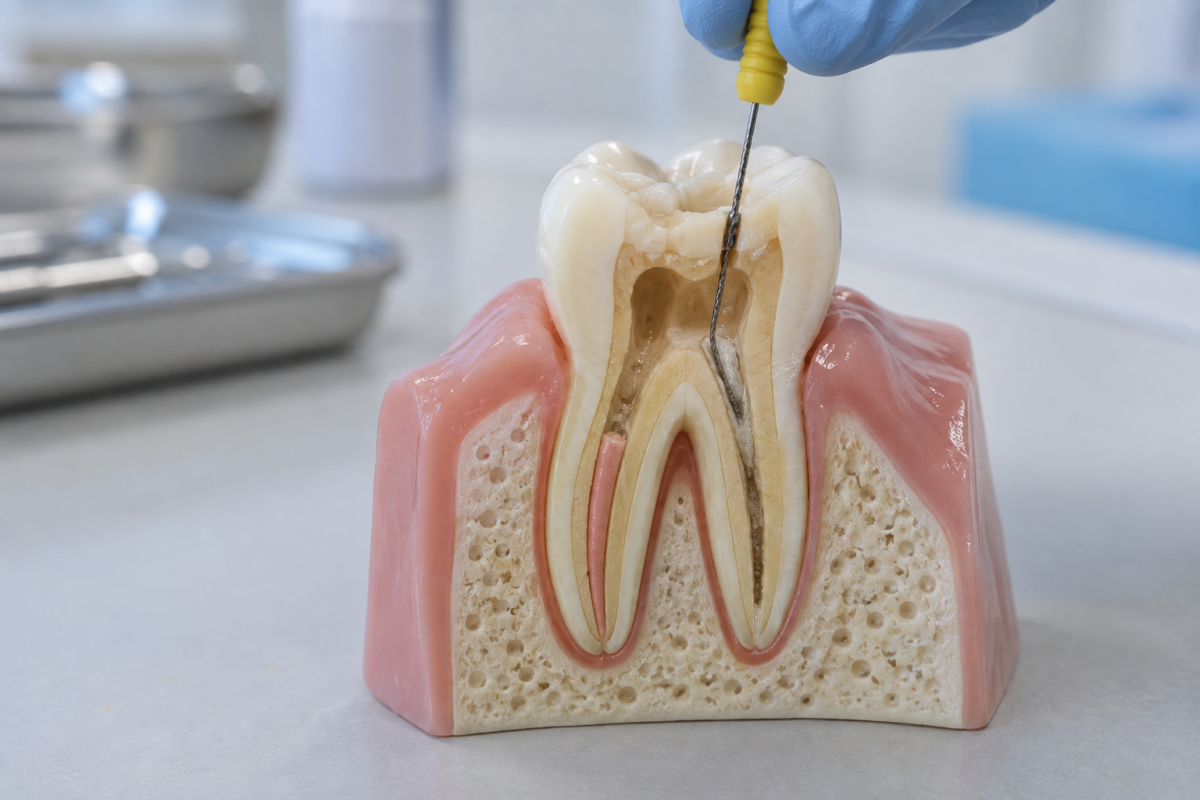
Endodontic Retreatment
In some situations, the best approach is to reopen the tooth and repeat the root canal treatment.
During retreatment, an endodontist can remove the previous filling material, examine the canal system again, address untreated or newly infected areas, disinfect the canals, and reseal the tooth.
Retreatment can be particularly helpful if an additional canal was missed or contamination has entered the existing canal system.
Dental Apicoectomy
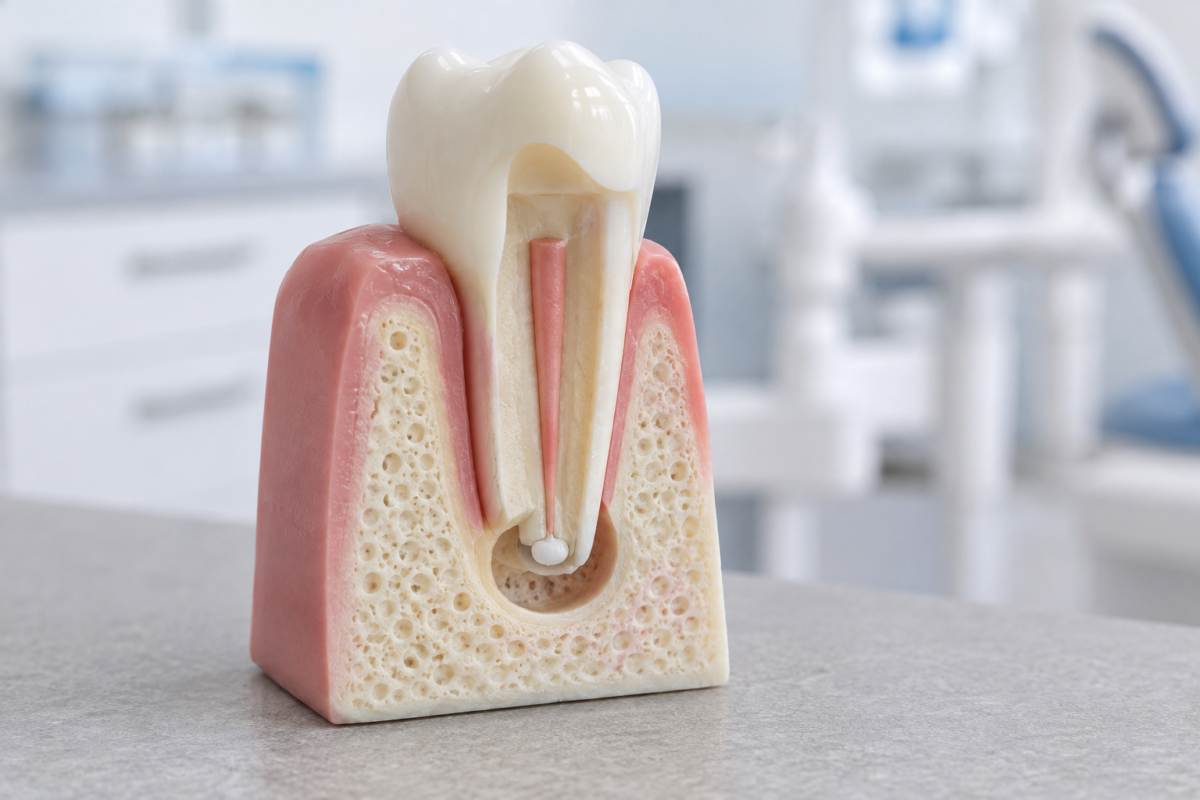
A dental apicoectomy may be recommended when infection or inflammation persists around the tip of a tooth root after root canal treatment. During the procedure, the endodontist accesses the root from the surrounding gum tissue, removes the affected tissue and a small portion of the root tip, and seals the end of the root.
This approach can be especially useful when the problem is concentrated near the root tip or when conventional retreatment is difficult because of complex anatomy, calcification, or existing dental restorations. An apicoectomy may help eliminate persistent infection while preserving the natural tooth whenever possible.
Extraction
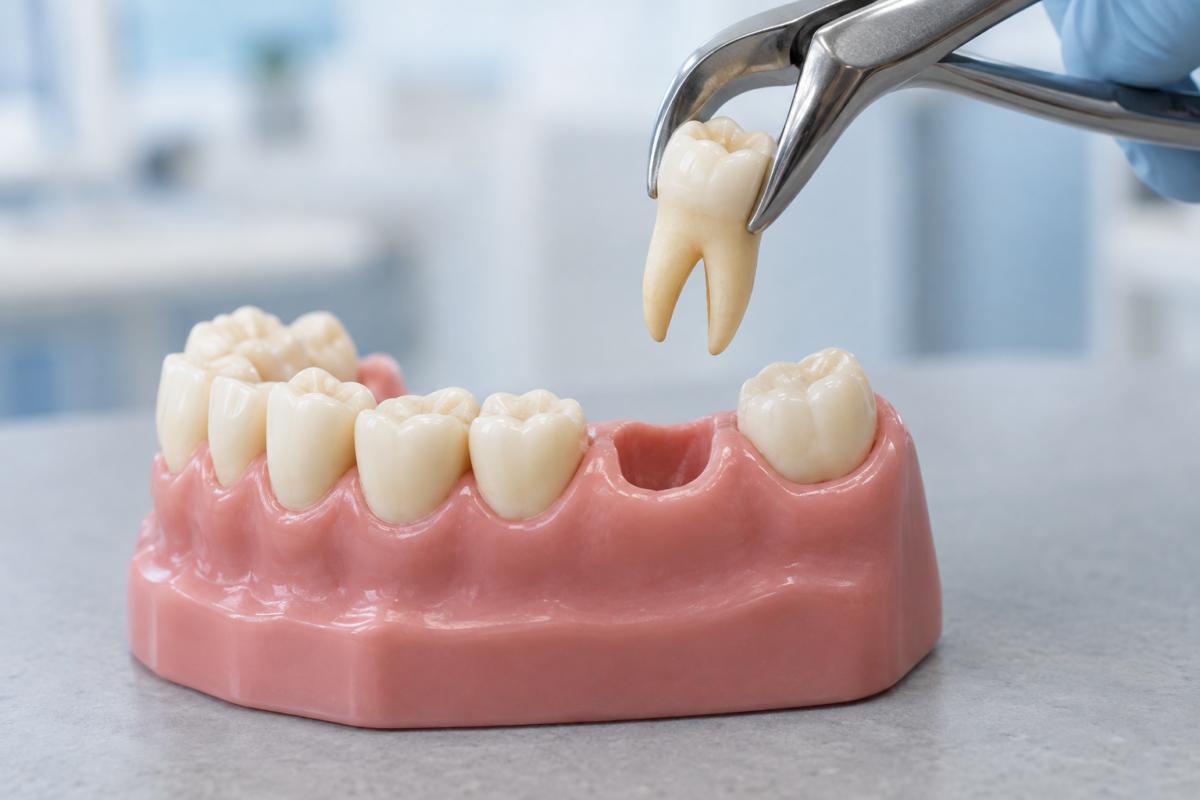
There are circumstances in which a tooth cannot predictably be preserved. Severe fractures, extensive structural damage, insufficient remaining tooth structure, or infection that cannot reasonably be treated may make extraction necessary.
If removal is recommended, tooth replacement options such as a dental implant may be considered.
However, endodontic specialists generally evaluate available treatment options with the goal of preserving the natural tooth whenever doing so provides a predictable and appropriate outcome.
When Might an Apicoectomy Be Recommended?
An apicoectomy is generally considered after conventional root canal therapy when the source of infection cannot be fully addressed through the interior of the tooth.
Your endodontist may recommend the procedure when:
- A previous root canal has not completely resolved an infection.
- Pain or swelling repeatedly returns.
- Infection remains around the root tip.
- A cyst or other lesion has developed near the root.
- Small accessory canals are inaccessible.
- Root canal anatomy is unusually complex.
- Calcification blocks conventional access.
- A dental post or restoration makes retreatment difficult.
- A damaged root surface requires treatment.
- A small fracture or anatomical problem needs further evaluation.
One important advantage of root-end surgery is that it can target the problem directly without necessarily removing an otherwise functional tooth.
How an Apicoectomy Helps Preserve the Natural Tooth
An apicoectomy treats the infection from a different direction than conventional root canal therapy.
A standard root canal works primarily from inside the tooth. An apicoectomy approaches the root through the surrounding gum and bone, giving the endodontist direct access to the end of the root and the nearby infected tissue.
Removing the affected root tip and surrounding diseased tissue can help eliminate areas that could not be adequately reached during conventional treatment. Sealing the end of the root also helps prevent bacteria from moving between the root canal system and the surrounding tissues.
This approach can be especially valuable when the majority of the tooth and previous root canal remain stable but a localized problem persists at the root tip.
Dental Apicoectomy Treatment at Foundation Dental Specialists in Pasadena
At Foundation Dental Specialists in Pasadena, our periodontists and endodontists are committed to providing individualized specialty dental care based on scientific evidence, clinical judgment, professional experience, and each patient’s preferences. Our endodontic services incorporate specialized techniques and modern technology to diagnose complex conditions and help preserve natural teeth whenever appropriate.
For patients experiencing a persistent tooth infection after root canal treatment, we provide comprehensive evaluations and specialized dental apicoectomy procedures in Pasadena. Our team uses advanced digital imaging, including a CBCT scanner, to produce detailed three-dimensional views of the teeth, roots, surrounding jawbone, and nearby structures. This additional perspective can help identify complex root anatomy, determine the location and extent of an infection, and support precise treatment planning.
Our approach to endodontic microsurgery also incorporates specialized instruments and high-powered magnification. These technologies allow our specialists to work within small and intricate areas of the tooth with a high level of precision. When conventional root canal treatment has not fully resolved an infection, microsurgical procedures such as an apicoectomy may offer an opportunity to treat the affected root directly while preserving the natural tooth.
Protect Your Natural Tooth With Specialized Endodontic Care
If you are dealing with a tooth infected after root canal treatment, contact Foundation Dental Specialists in Pasadena to schedule an evaluation with our experienced endodontic team. Using advanced diagnostic technology, including CBCT imaging, we can identify the source of the problem and determine whether retreatment, a dental apicoectomy, or another treatment option may be appropriate.
Schedule your appointment with Foundation Dental Specialists today to learn whether an apicoectomy can help eliminate persistent infection, protect your tooth, and restore your long-term oral health.