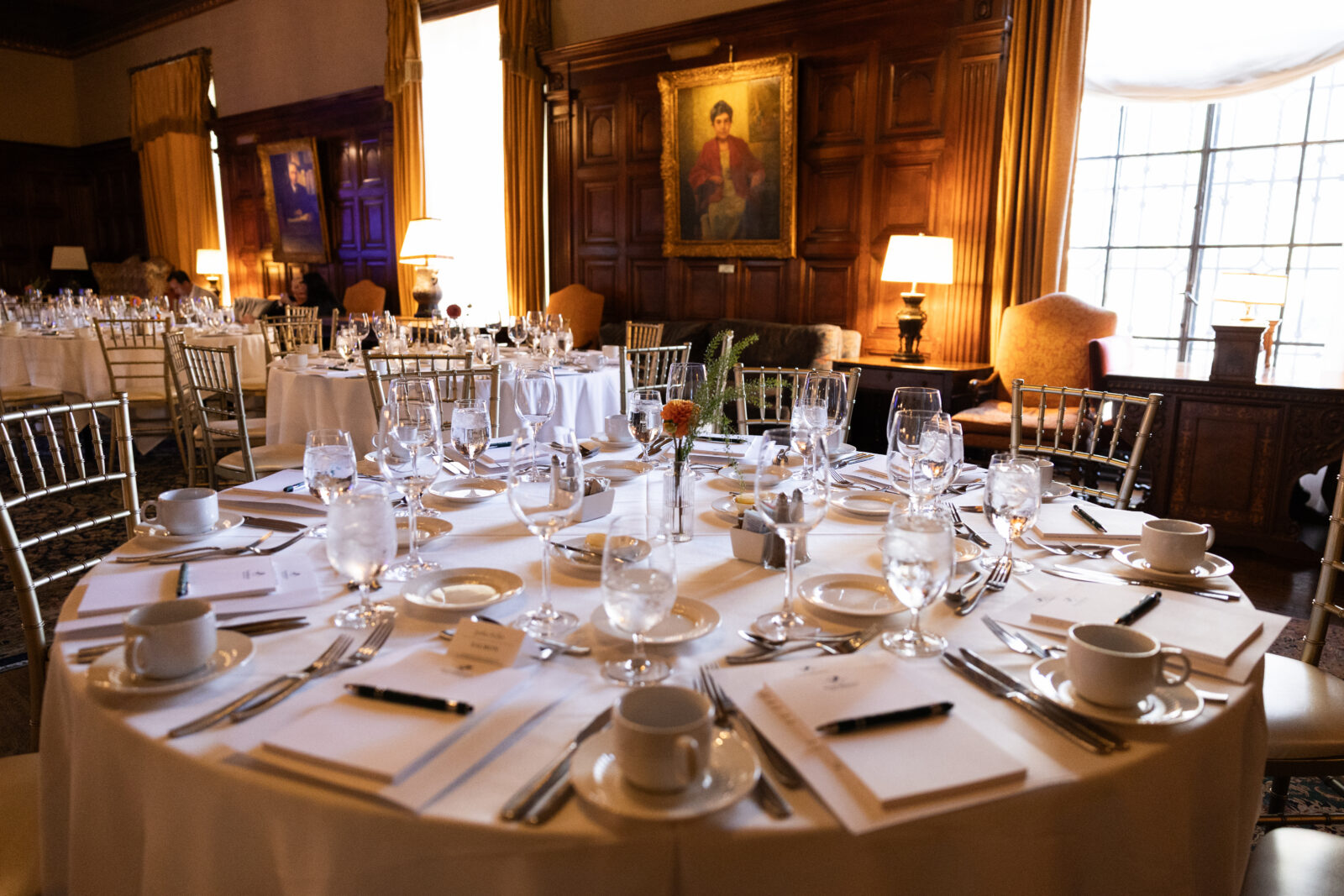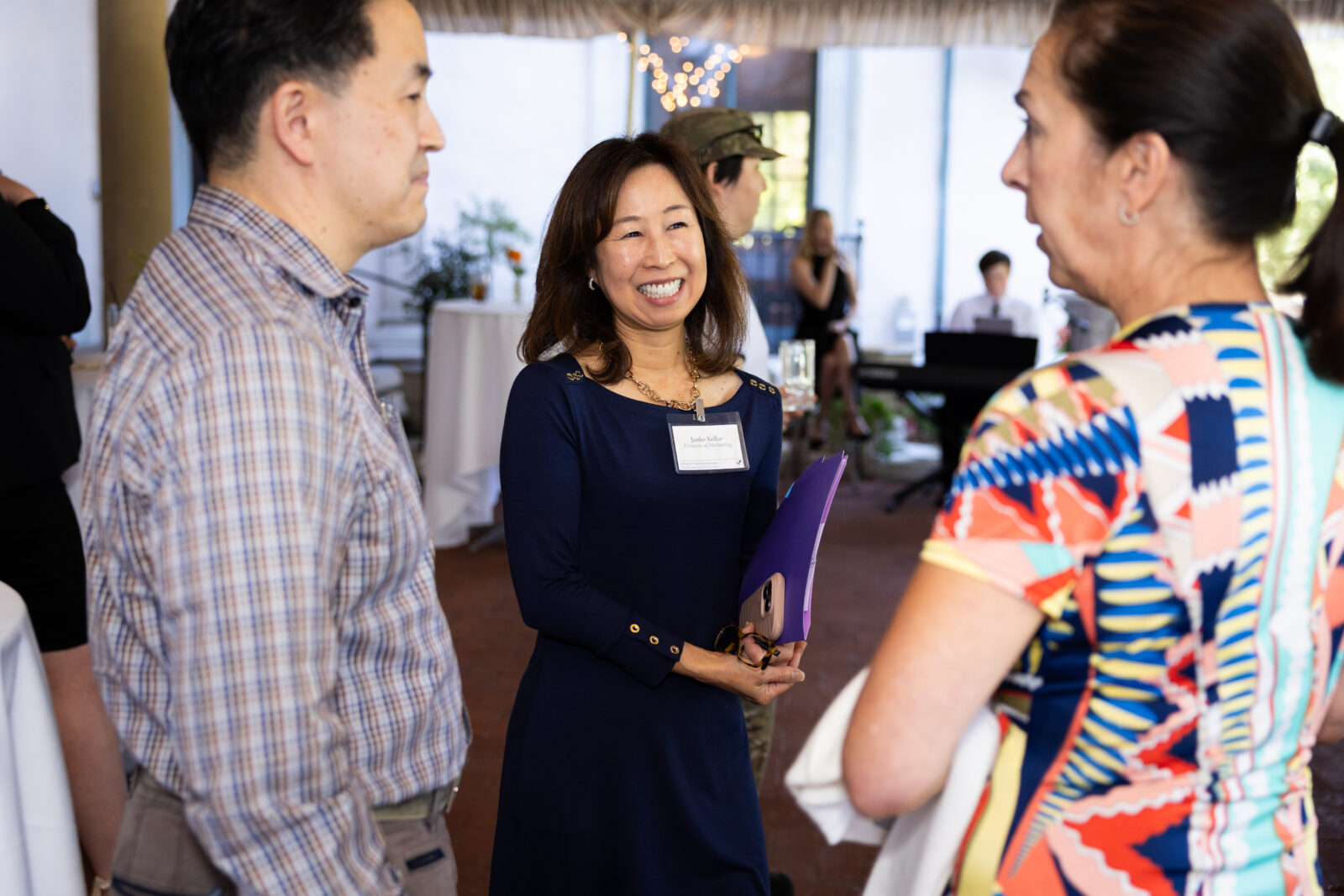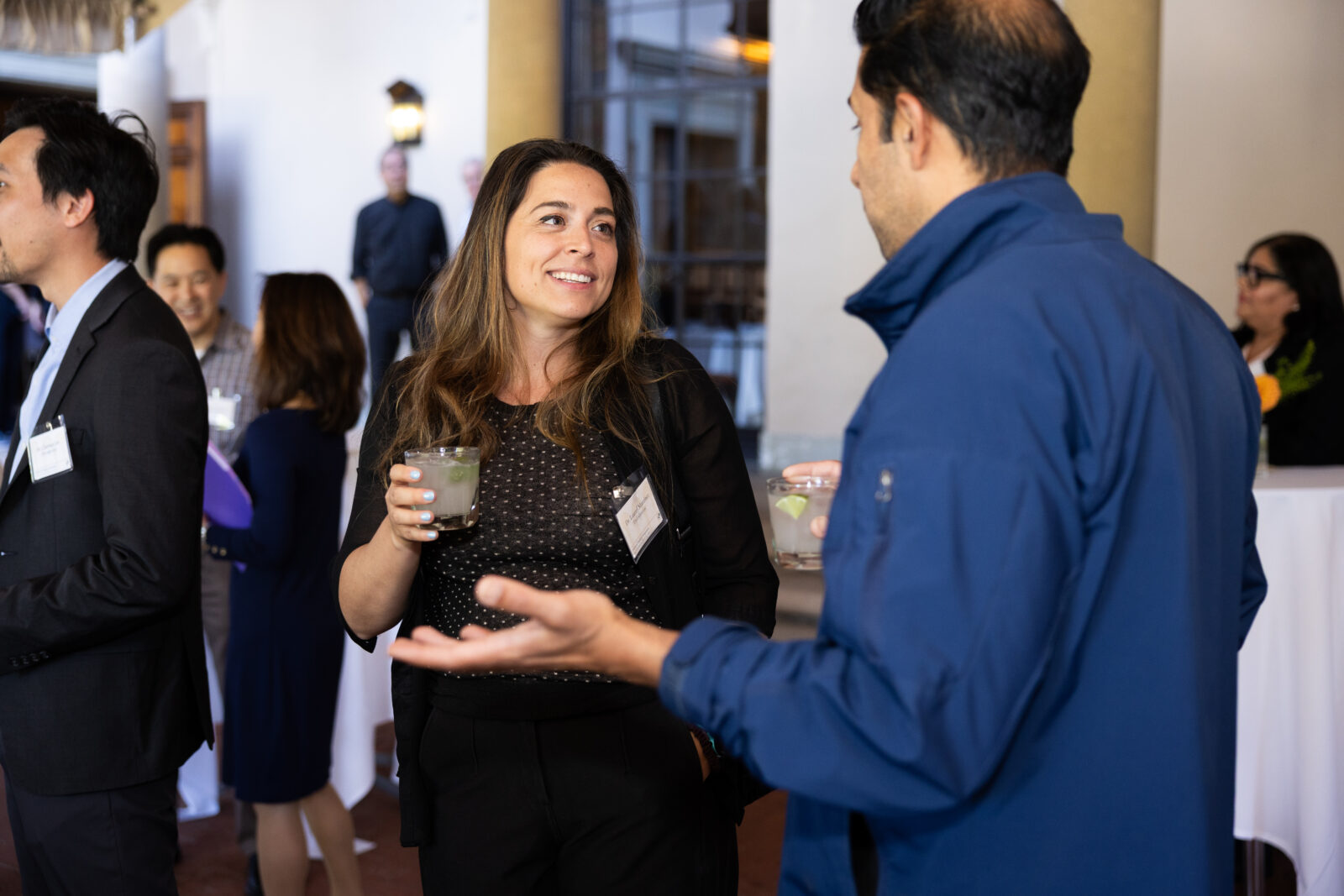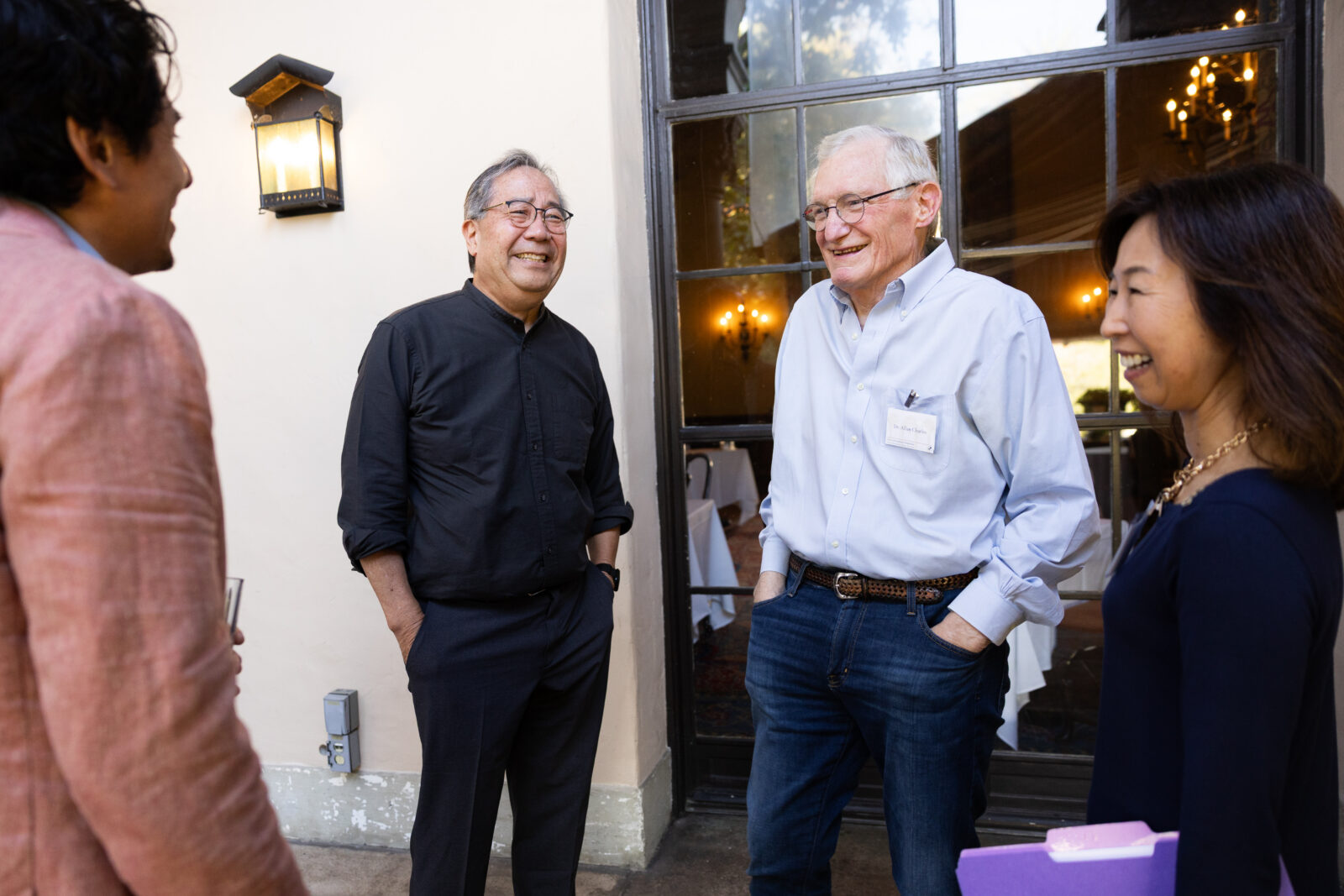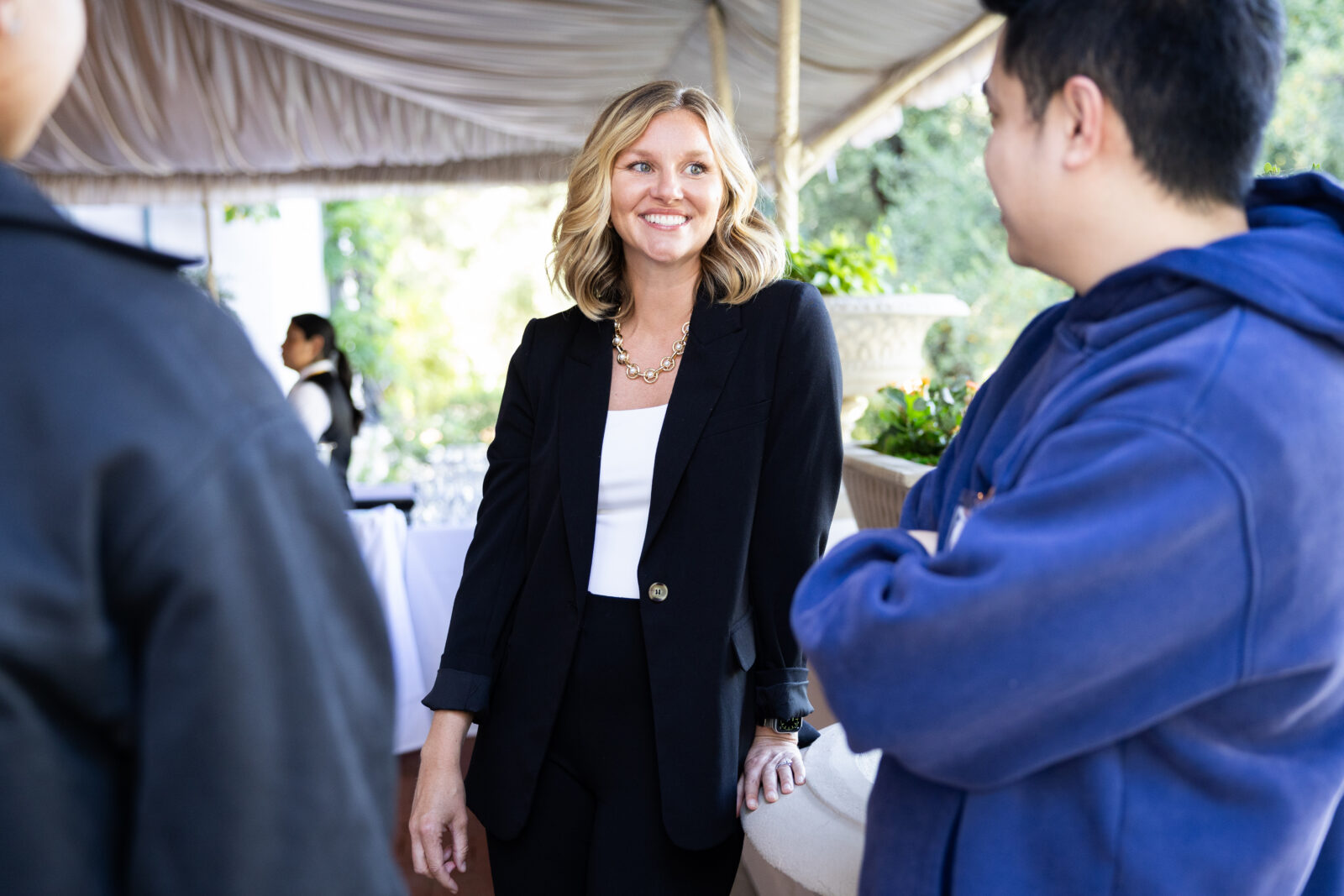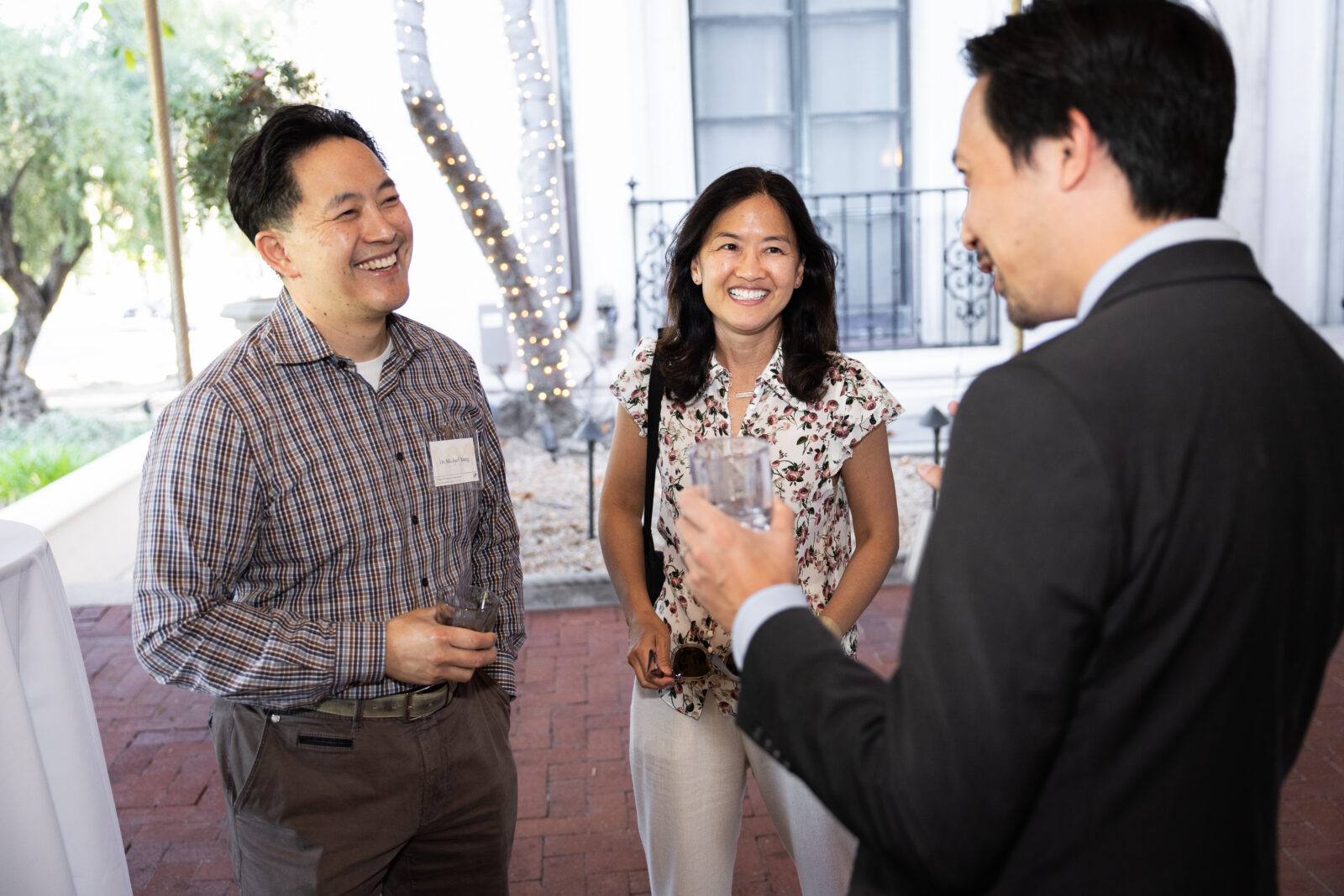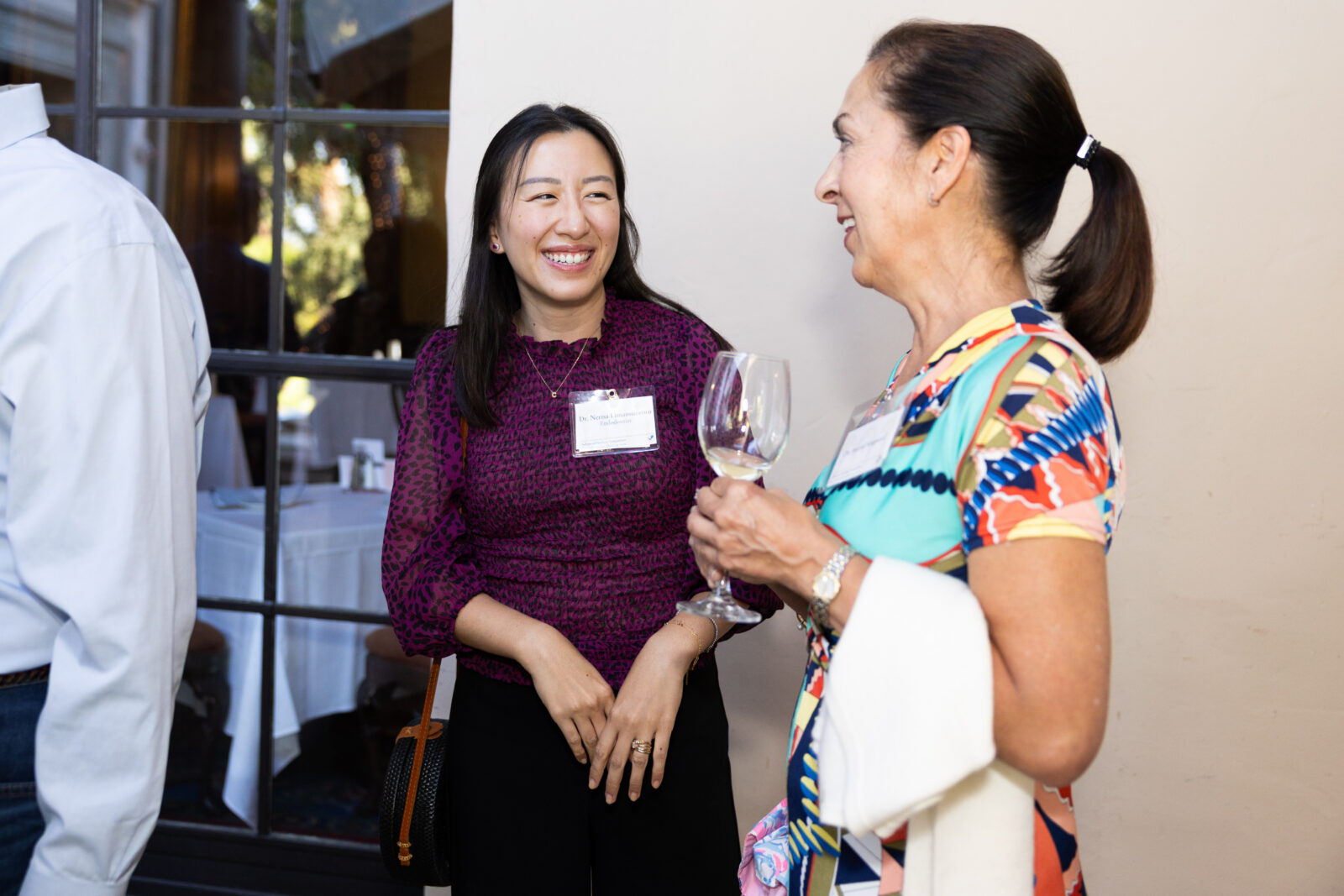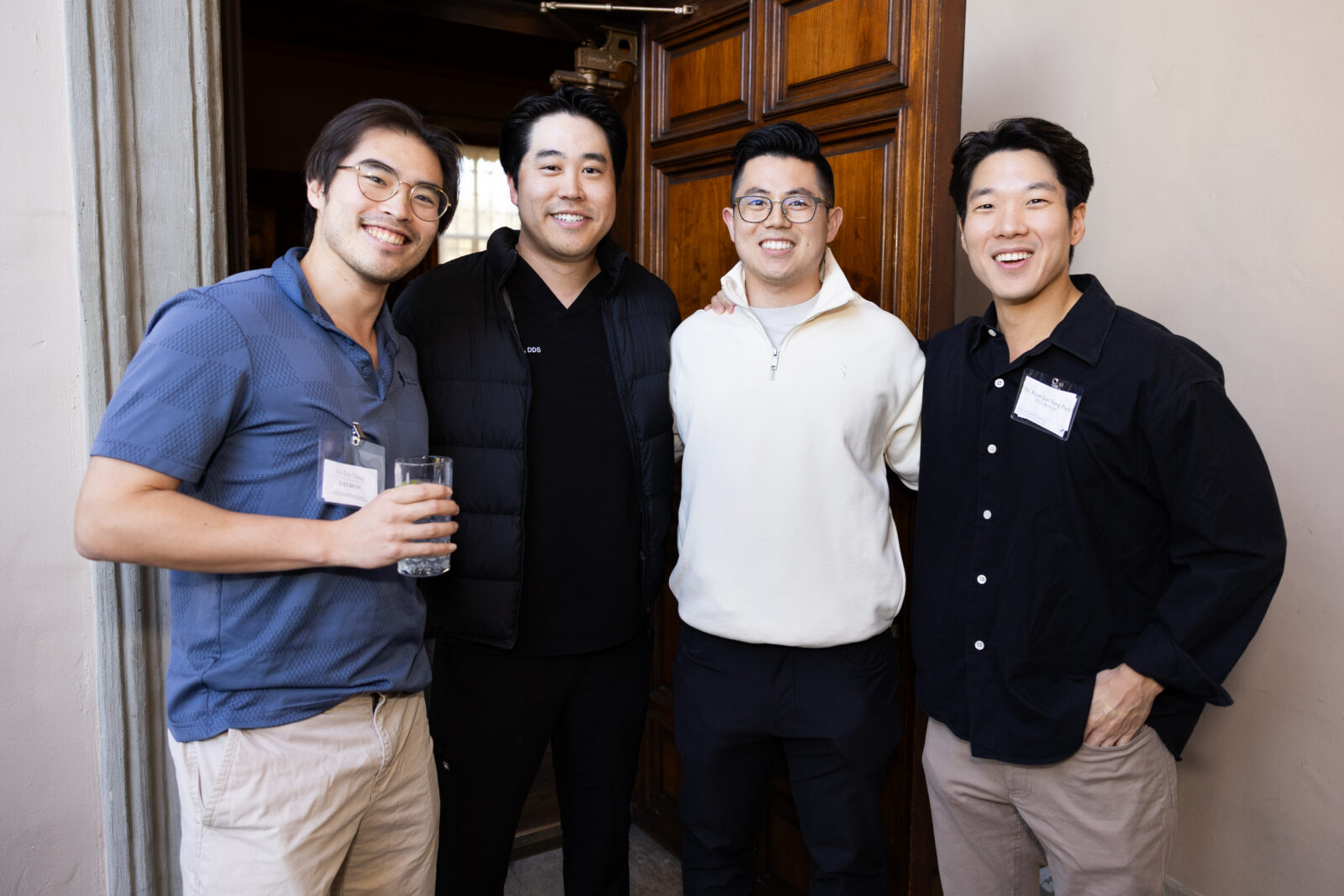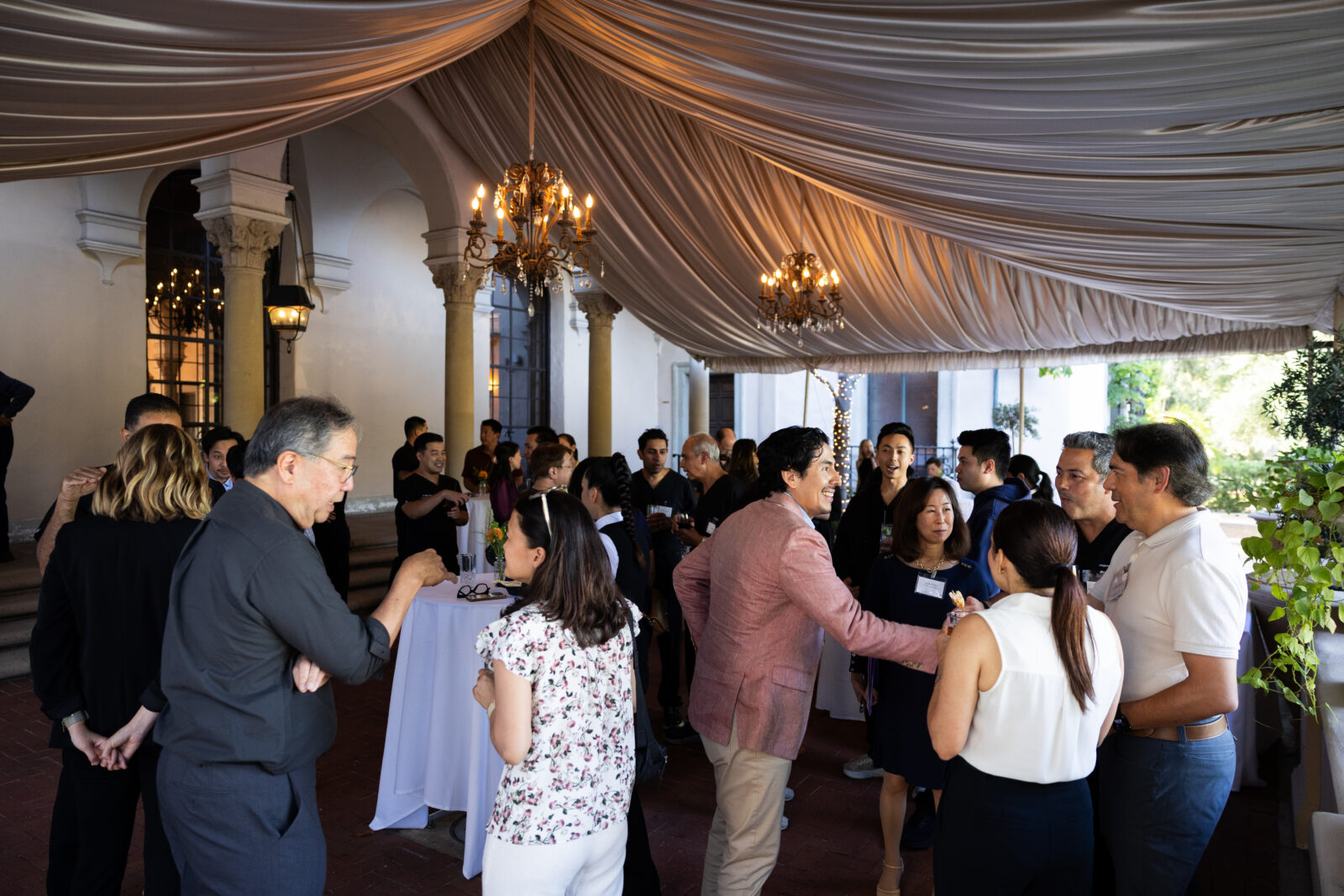
On June 24th, Foundation Dental Specialists hosted the Advanced Implant Symposium at the CalTech Athenaeum in Pasadena. 47 general dentists from 41 offices joined us for an evening of cocktails, dinner, and a clinical presentation on something we have been building toward for some time: the Foundation Advanced Protocol.
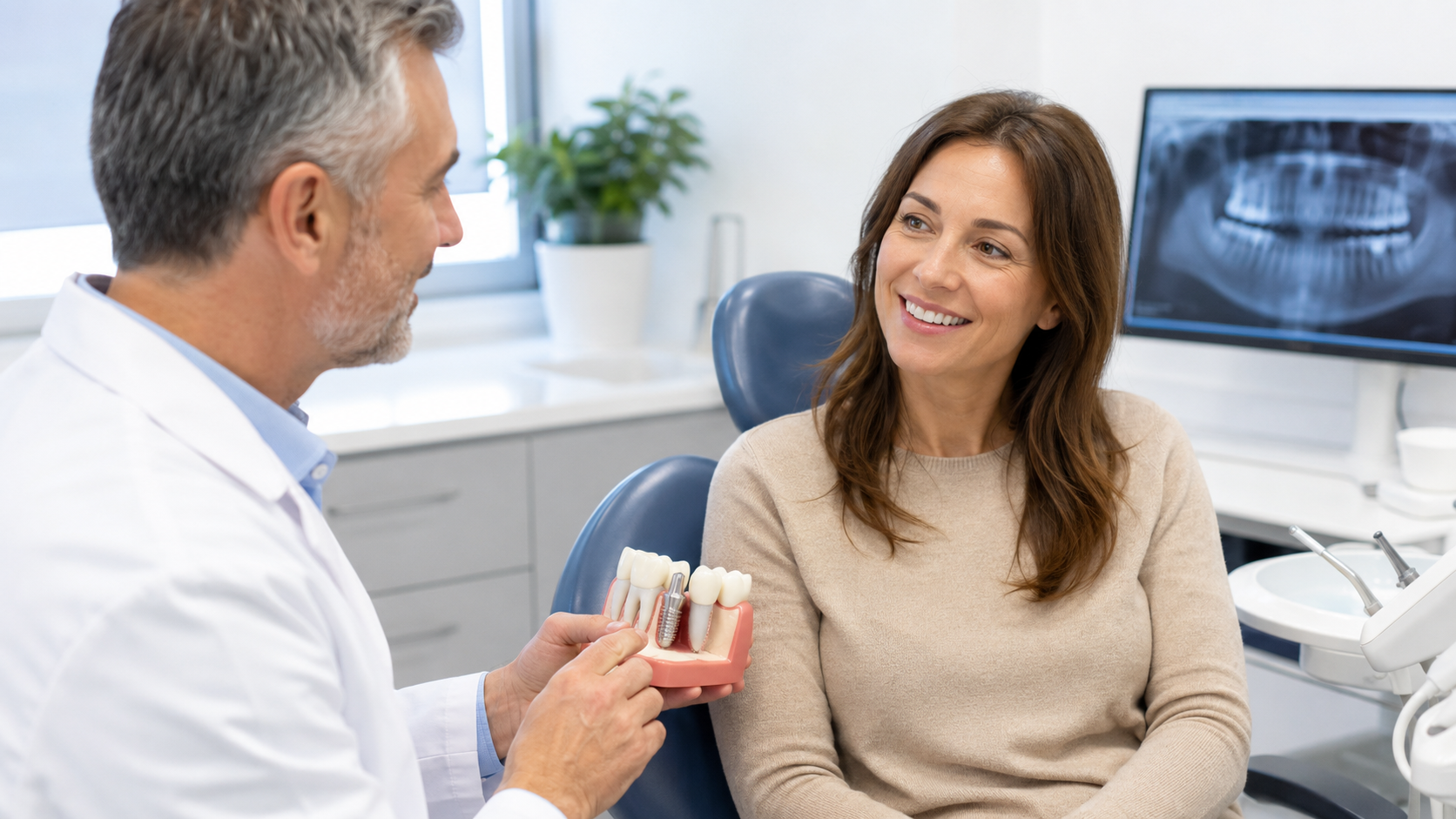
The conventional implant process is fragmented, spanning multiple surgeries and 8 to 12 months, and that length alone causes case abandonment. Patients adapt to the missing tooth, stop returning, and the implant never happens. The Foundation Advanced Protocol was built to close that gap, consolidating treatment into a single integrated surgical session where patients leave with a tooth the same day and return for their final restoration in approximately three months.
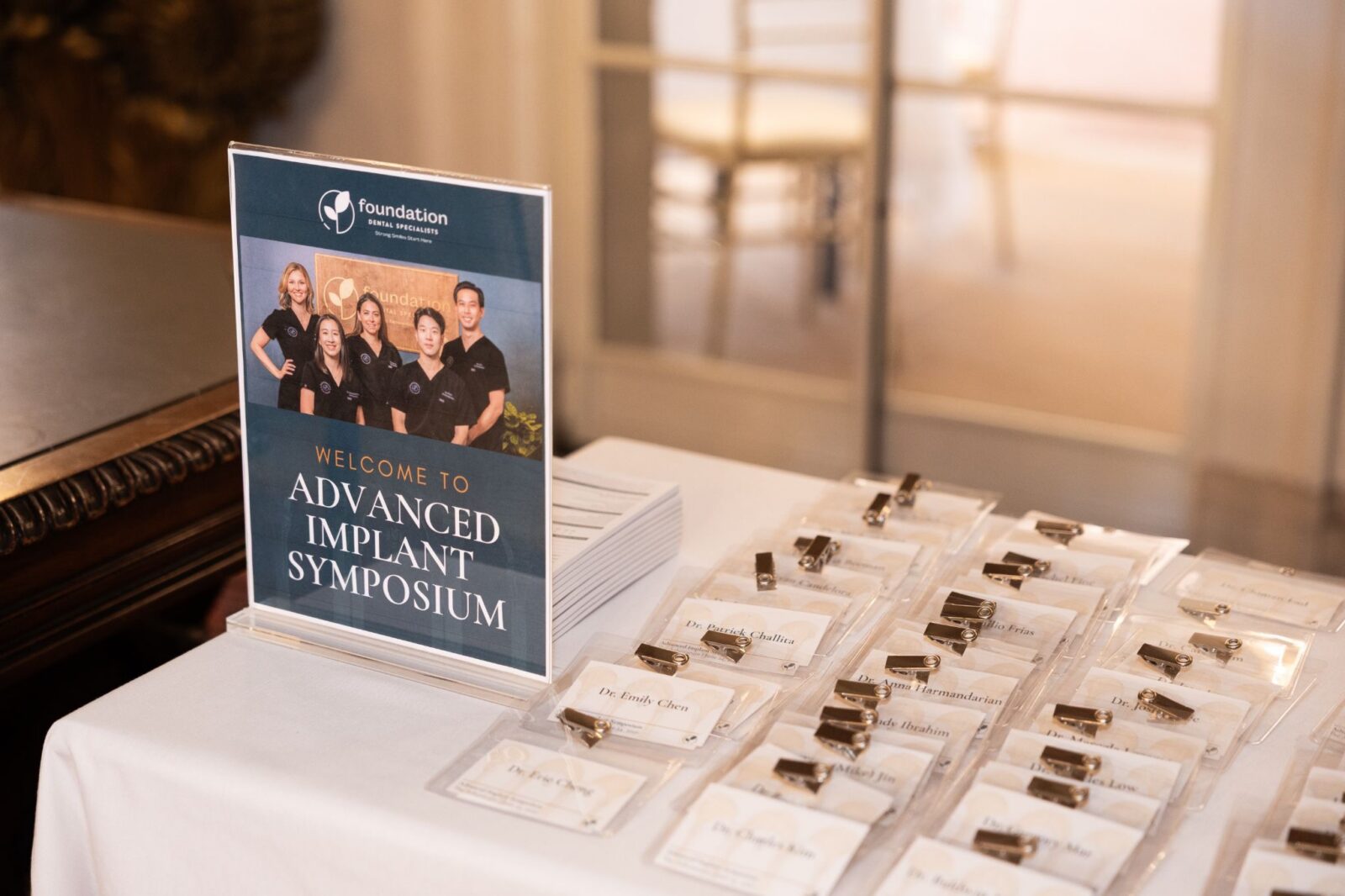
Dr. Weightman walked the room through all seven components of the protocol, from multi-modal anatomy assembly and digital surgical planning through soft tissue engineering and restorative handoff. The clinical evidence behind this approach is strong, and the room responded accordingly.
The Foundation Advanced Protocol (FAP)
FAP is an integrated system that coordinates surgical precision, digital planning, and biological management to deliver final-stage treatment in approximately three months. The seven components work together as follows:
Multi-Modal Anatomy Assembly: CBCT, intraoral scans, and photography are fused into a single complete anatomical model.
Integrated Digital Surgical Planning: The crown is designed first, so every surgical decision serves the final restoration rather than the other way around.
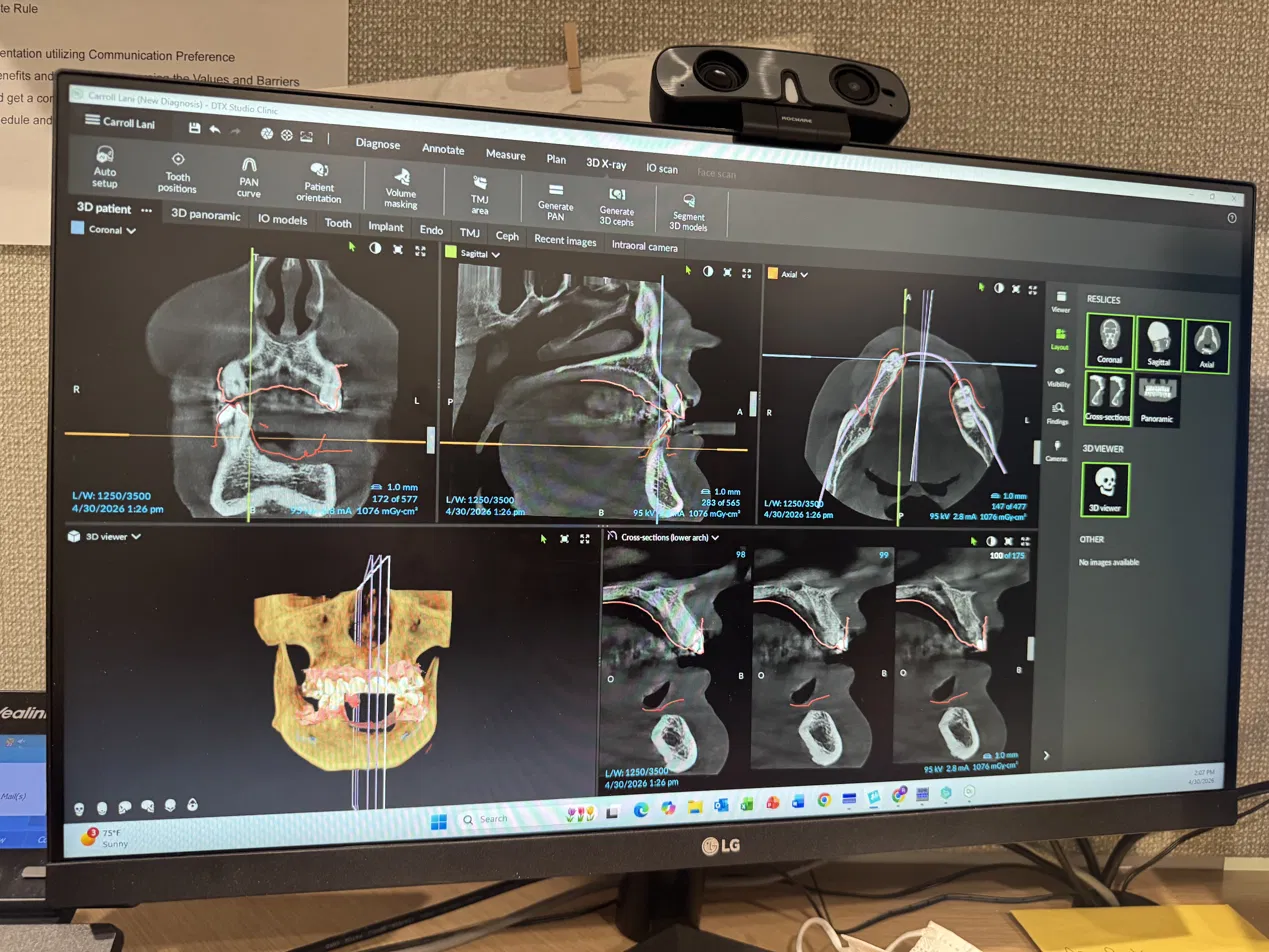
Precision Surgical Execution: The plan is executed to exacting parameters of depth, clearance, and emergence.
Strategic Bone Management: The dual-zone grafting technique is used to ensure long-term dimensional stability and preserve the ridge the restorative office inherits.
Proactive Soft Tissue Engineering: Tissue thickness is measured on CT before surgery and managed proactively. Thin tissue left ungrafted carries a significantly higher risk of recession; we address it before it becomes a problem.
Optimized Provisionalization: Custom provisionals shape the tissue architecture from day one, eliminating edentulous months and supporting the emergence profile the final crown will need.
Streamlined Restorative Handoff: A direct digital scan goes to your preferred lab. No impressions, no tissue manipulation, no added chair time.
Why This Approach Works
Planning the full result before the first incision changes what’s possible across every dimension of the case.
Faster results: Patients return to your chair in approximately three months, reducing case abandonment and accelerating crown revenue.
Predictable esthetics: By engineering bone and tissue architecture from the start, we deliver a site that supports your final restoration rather than one your crown has to compensate for.
Frictionless workflow: The digital handoff goes directly to your lab with shade captured at the referral visit. The patient is back in your chair with nothing disrupted.
This level of coordination is possible because every case at Foundation Dental Specialists is led by board-certified specialists, Dr. Nerisa Limansubroto (UCLA, University of Washington) and Dr. Laurel Martinez (Stanford, Harvard, UCLA), backed by 50+ years of practice history and 280+ five-star patient reviews.
What This Means for Patients
A coordinated protocol like this means fewer appointments, less time between diagnosis and a finished restoration, and closer communication between your referring dentist and our specialists throughout treatment. If you’re an existing patient with questions about implant timelines, ask your dentist whether this approach applies to your case.
Co-Author Your First Case
If you were in the room that night, thank you for coming. The best way to understand this protocol is to walk through a case together.
Find one patient who has been diagnosed but has stalled or declined treatment and reach out to us. We will sit down over the CBCT with you and plan the case from start to finish. Your name is on the restoration, so you should have your hands on the plan. Let’s co-author the case together.
To connect with our team or schedule a consultation, contact us at marketing@foundationdentalspecialists.com or 626-796-5361.
Looking Ahead
We have a full CE calendar planned for the remainder of 2026:
- Hygiene Study Club at Descanso Gardens, August 26th
- Open House at Foundation with In-N-Out, September 9th
- Advanced Protocol Case Review, October 7th