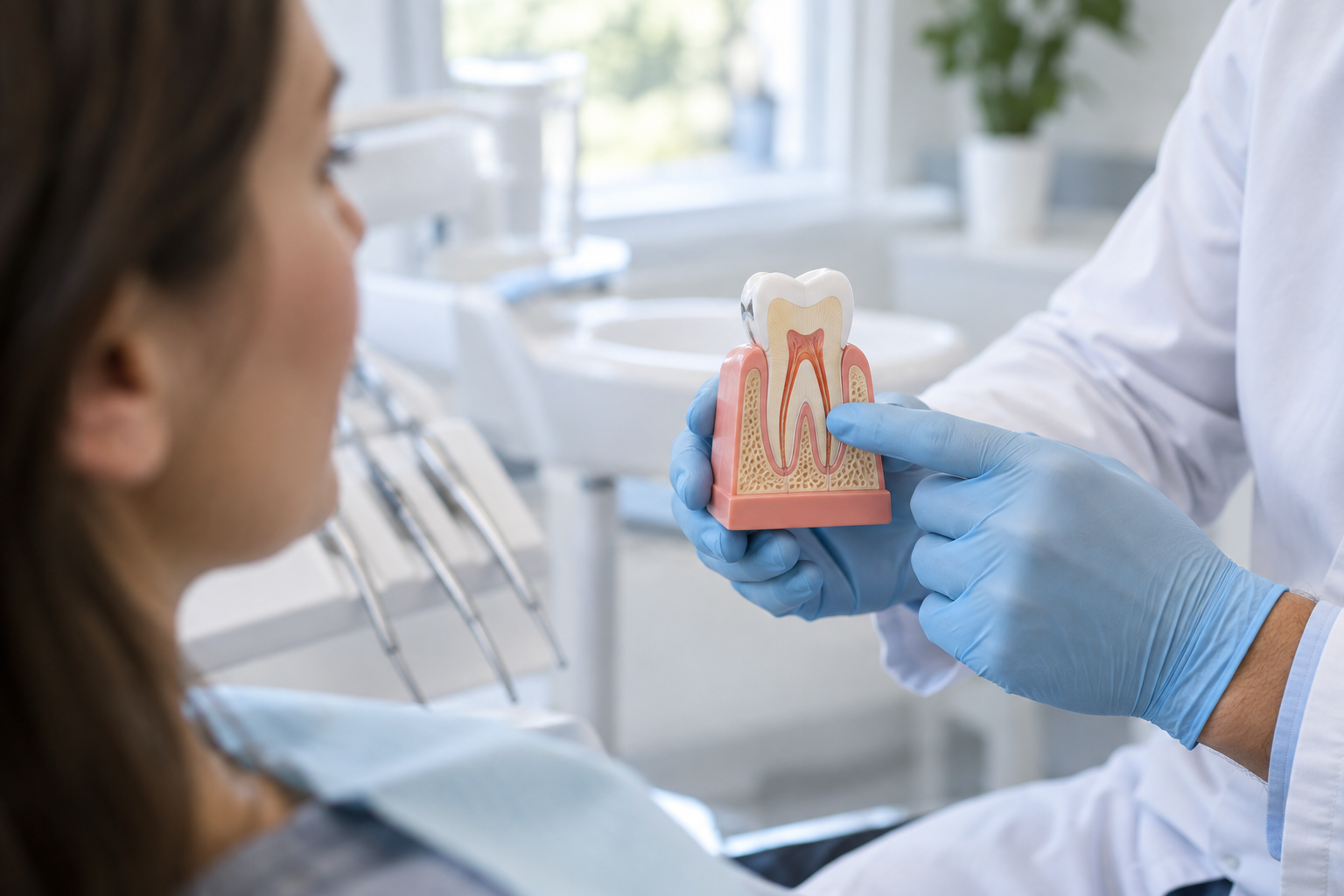
A root canal can sound intimidating at first, especially for patients who are experiencing tooth pain, swelling, sensitivity, or signs of infection. However, root canal therapy is designed to relieve discomfort, remove infection from inside the tooth, and help preserve the natural tooth structure whenever possible. For many patients, the difference between the condition of the tooth before treatment and the results after treatment can be significant.
This guide to root canals before and after treatment explains what patients may notice before care, what happens during the procedure, and what results can look like once the tooth has healed and been restored. Whether you are dealing with ongoing tooth pain or need an emergency root canal, understanding the root canal before and after the process can help you feel more confident about your treatment options.
What Is a Root Canal?
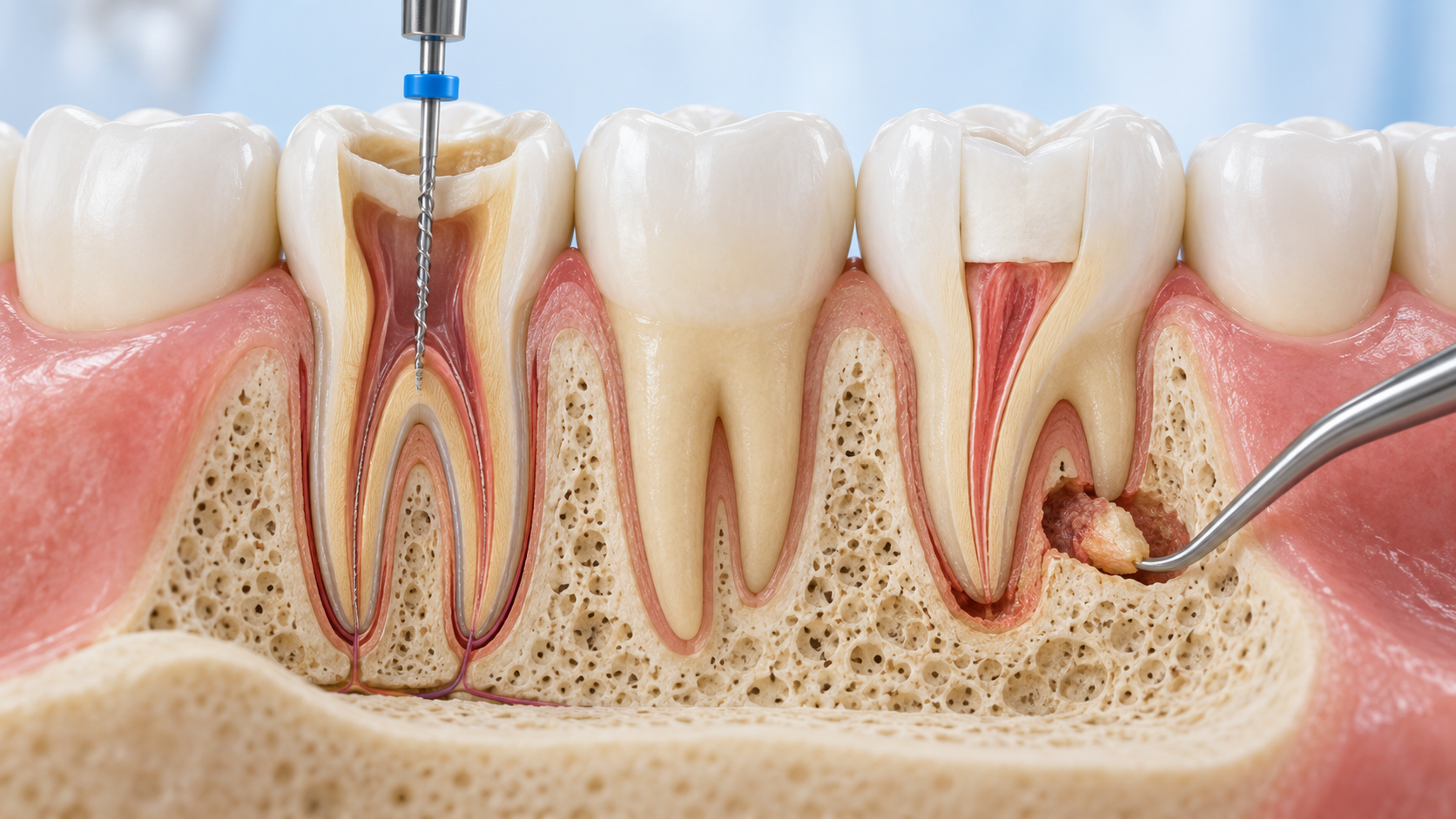
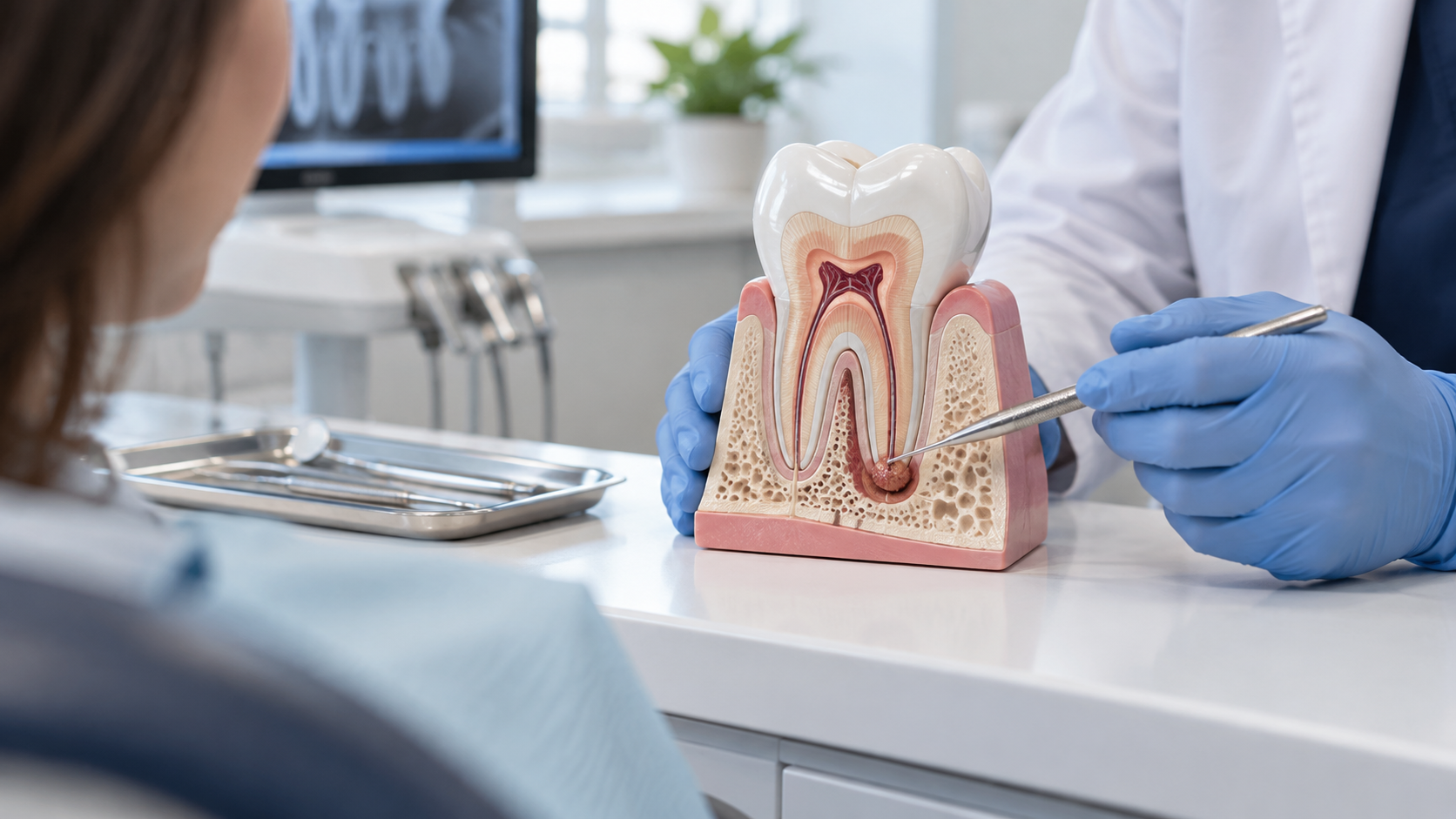
A root canal is a dental procedure used to treat infection, inflammation, or damage inside a tooth. The soft tissue inside the tooth, known as the pulp, can become irritated or infected due to deep decay, cracks, trauma, repeated dental procedures, or severe wear. When this happens, patients may experience pain, pressure, swelling, or sensitivity that does not go away on its own.
During root canal therapy, the infected or inflamed pulp is carefully removed, the inside of the tooth is cleaned and disinfected, and the canals are sealed to help prevent reinfection. In many cases, the tooth is then restored with a dental crown or filling to protect its strength, appearance, and function.
Why Patients May Need Root Canal Treatment
Patients often need a root canal when the inner portion of the tooth has been compromised. While every case is different, the goal of treatment is usually the same: to stop infection, relieve pain, and save the natural tooth when possible.
Common reasons a patient may need a root canal include:
- Deep tooth decay that has reached the pulp
- A cracked, chipped, or fractured tooth
- Dental trauma from an accident or injury
- An untreated cavity that has caused infection
- A recurring infection near the root of the tooth
- Severe tooth sensitivity to hot or cold temperatures
- Swelling, tenderness, or a dental abscess
When these problems are left untreated, the infection can worsen and may spread to surrounding bone or gum tissue. Root canal therapy helps address the source of the problem rather than simply masking the symptoms.
Before Root Canal Treatment: What Patients May Notice
Before a root canal, patients may experience visible and physical signs that something is wrong with the tooth. Some patients have intense pain, while others notice mild discomfort that gradually becomes worse over time. In some cases, there may be little to no pain, but an infection may still be visible on an X-ray.
Before treatment, the tooth may appear discolored, damaged, cracked, or surrounded by inflamed gum tissue. Patients may also notice swelling in the gums, tenderness when chewing, or a small pimple-like bump near the tooth that may indicate infection.
Common Symptoms Before a Root Canal
The “before” stage of a root canal often includes symptoms that affect comfort, appearance, and everyday function. These symptoms may make it difficult to eat, drink, brush, floss, or sleep comfortably.
Common symptoms before root canal treatment include:
- Persistent toothache or throbbing pain
- Pain when biting or chewing
- Lingering sensitivity to hot or cold foods and drinks
- Swollen or tender gums around the affected tooth
- Darkening or discoloration of the tooth
- A dental abscess or pimple on the gums
- Bad taste or odor caused by infection
- Jaw tenderness or pressure near the affected tooth
These symptoms can vary depending on the severity of the infection and the location of the tooth. An endodontic evaluation can help determine whether root canal therapy is the right treatment.
After Root Canal Treatment: What Results Can Look Like
After a root canal, the most noticeable result for many patients is relief from the pain, pressure, or sensitivity they felt before treatment. Once the infected tissue has been removed and the tooth has been sealed, the area can begin healing. Some mild soreness may be normal for a few days, but this is typically different from the intense discomfort caused by an infected tooth.
The visible result often depends on the final restoration. If the tooth was cracked, weakened, or discolored, a crown may be recommended to restore its appearance and protect it from future damage. Once restored, the treated tooth can often blend naturally with surrounding teeth and allow the patient to bite, chew, and smile more comfortably.
Root Canal Before and After Comparison
The following comparison shows what patients may experience before and after root canal treatment. While individual results vary, this overview helps explain the typical transformation from an infected or painful tooth to a treated and restored tooth.
Treatment Stage | Before Root Canal | After Root Canal |
Tooth Comfort | Pain, throbbing, pressure, or sensitivity may be present | Pain is relieved as infection and inflamed pulp are removed |
Gum Health | Gums may be swollen, tender, or irritated near the tooth | Gum tissue can begin to calm and heal after infection is treated |
Tooth Appearance | Tooth may look dark, cracked, decayed, or damaged | Tooth can be restored with a natural-looking crown or filling |
Chewing Ability | Biting or chewing may be painful | Chewing comfort often improves after healing and restoration |
Infection Risk | Infection may worsen without treatment | Tooth is cleaned, sealed, and protected from further internal infection |
Tooth Preservation | Tooth may be at risk of extraction | Natural tooth structure may be saved when treatment is successful |
This root canal before and after comparison helps patients understand that the procedure is not only about pain relief. It is also about preserving the natural tooth, restoring function, and improving oral health.
Before and After Root Canal Photos
Before and after photos can help patients better understand what root canal treatment may accomplish. These images may show visible tooth damage before treatment, the restoration process, and the final result after the tooth has been repaired with a filling or crown.
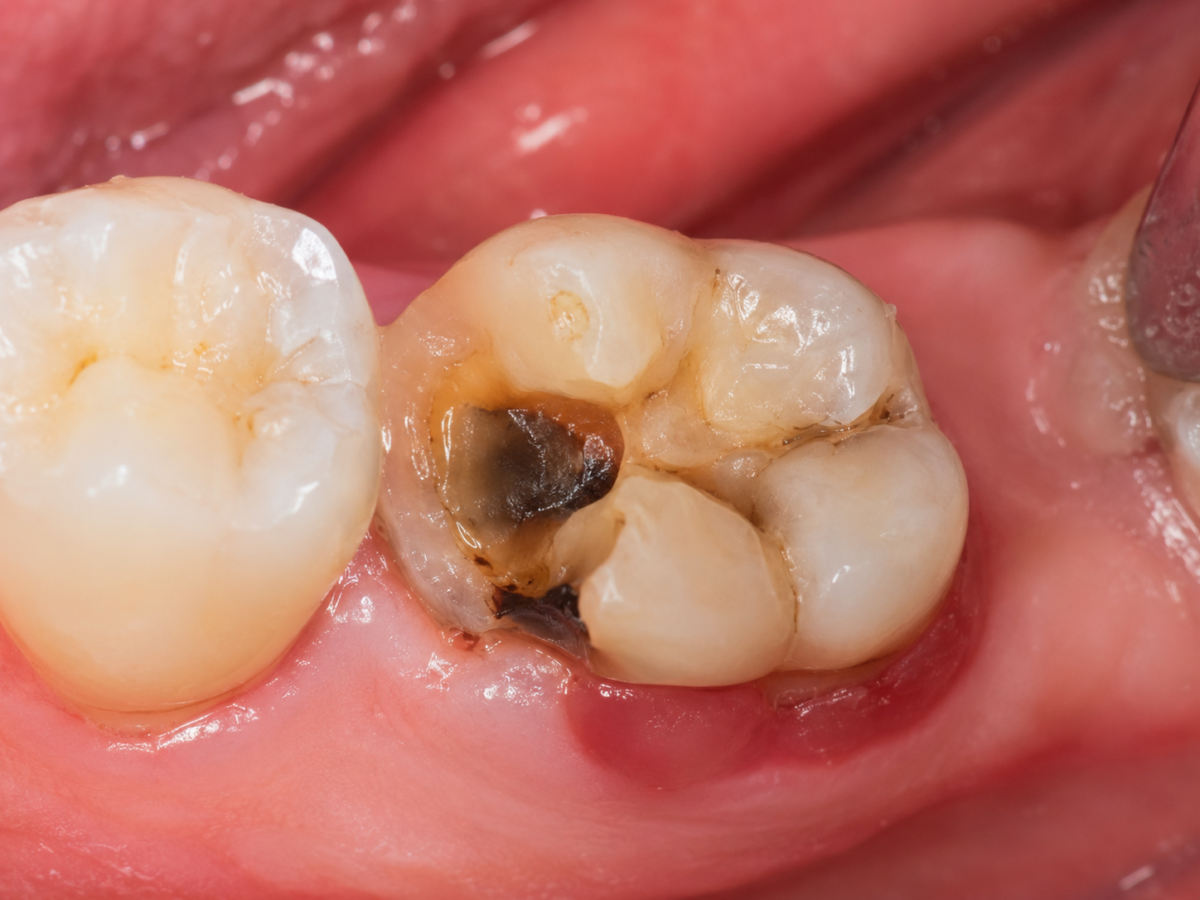
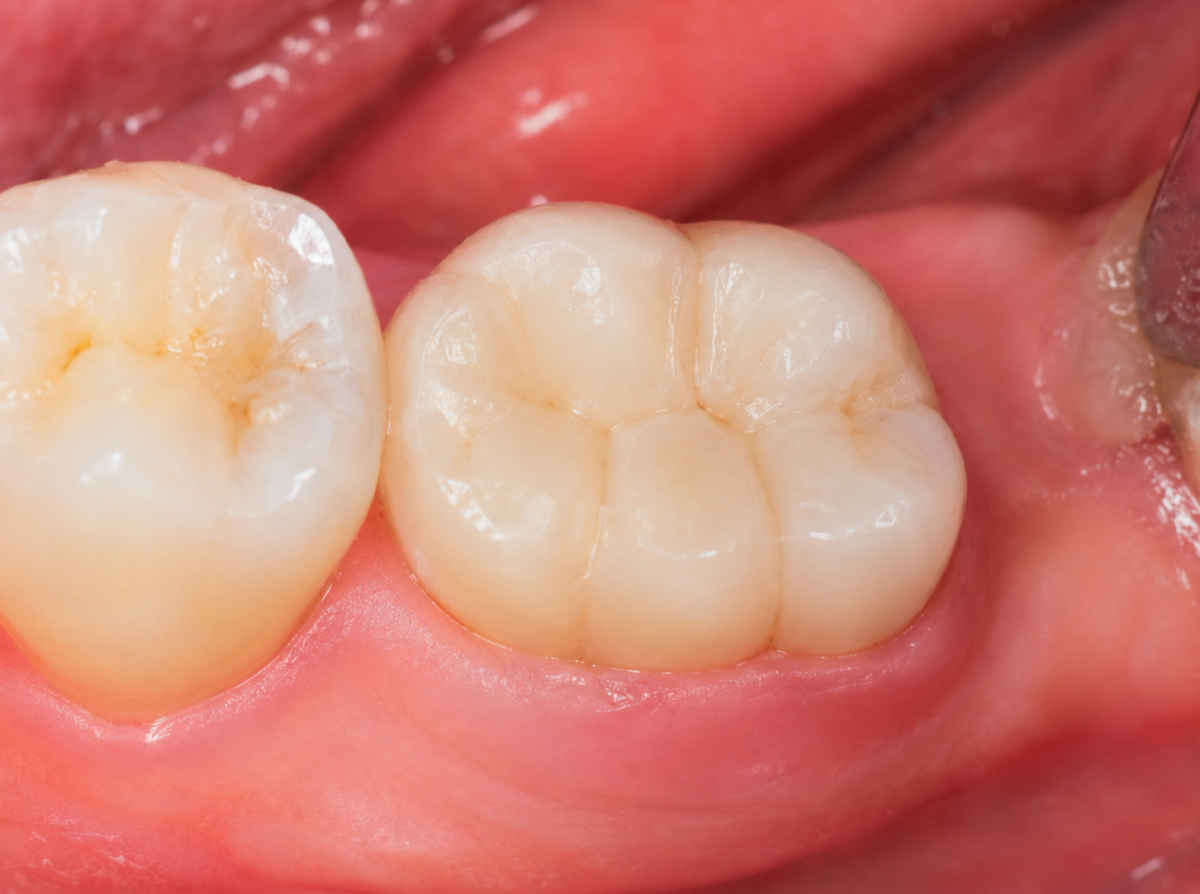
It is important to remember that each patient’s results depend on the condition of the tooth, the severity of infection, the type of restoration needed, and the patient’s overall oral health. Some results are visible in the smile, while others are most noticeable through pain relief and improved function.
How a Root Canal Can Improve the Look of a Tooth
A root canal treats the inside of the tooth, but the final restoration often improves how the tooth looks from the outside. If the tooth was decayed, cracked, or discolored before treatment, a crown or filling can help restore a more natural shape, shade, and structure.
For front teeth, the cosmetic result may be especially important because the tooth is visible when smiling. For back teeth, the main goal is usually strength and function, although the final restoration can still blend in naturally with the surrounding teeth.
How a Root Canal Helps Preserve the Natural Tooth
One of the biggest benefits of root canal treatment is that it can help save a natural tooth that might otherwise need to be removed. Keeping the natural tooth helps maintain normal chewing function, supports the surrounding teeth, and prevents the need for tooth replacement options such as bridges or implants.
When the infection is treated and the tooth is properly restored, many patients can continue using the tooth comfortably. This is why early diagnosis and treatment are so important when symptoms appear.
Foundation Dental Specialists: Root Canal Therapy in Pasadena
At Foundation Dental Specialists in Pasadena, our periodontists and endodontists are passionate about providing patients with improved dental care through thoughtful, personalized treatment. We create customized treatment plans based on a combination of strong scientific evidence, clinical judgment, experience, and patient preference, allowing our team to provide highly successful oral health solutions for a wide range of dental needs.
Our team offers root canal therapy for patients experiencing tooth pain, infection, sensitivity, or dental trauma. We also provide emergency root canals for patients who need timely treatment for severe pain or urgent infection-related concerns. Whether you are comparing root canals before and after results or trying to understand whether root canal therapy is right for you, our Pasadena specialists are here to help you protect your oral health and preserve your natural smile whenever possible.

Get Relief and Protect Your Smile With Expert Root Canal Care
A root canal can transform a painful, infected, or damaged tooth into a healthier, more comfortable, and functional part of your smile. By removing infection, preserving the natural tooth, and completing the proper restoration, root canal therapy can provide meaningful before and after results for patients who want to protect their oral health.
If you are experiencing tooth pain, swelling, sensitivity, or signs of infection, contact Foundation Dental Specialists in Pasadena today. Our team provides root canal therapy and emergency root canals for Pasadena residents who need expert, compassionate care. Schedule an appointment to learn more about your treatment options and take the next step toward a healthier smile.