Preserving your natural teeth is often a priority when addressing dental infection, damage, or complications following previous treatment. While root canal therapy can successfully eliminate infection and save many teeth, there are situations where inflammation or bacteria remain near the tip of a tooth’s root. When this happens, additional treatment may be needed before extraction becomes necessary.
For patients wondering how to preserve teeth when infection remains after root canal therapy, a dental apicoectomy may provide an effective solution. This specialized form of endodontic microsurgery addresses infection at the root tip while allowing the majority of the natural tooth to remain intact.
Understanding how to preserve a tooth with an apicoectomy starts with knowing why infection can persist, how the procedure works, and what role advanced microsurgical techniques play in protecting long-term oral health.
Why Preserving Your Natural Teeth Matters
Natural teeth are designed to work together to support comfortable biting, chewing, and speaking. Whenever a tooth can be predictably treated and maintained, preserving it may help avoid the additional procedures associated with removing and replacing the tooth.
The American Association of Endodontists notes that endodontic treatment is designed to eliminate infection and preserve natural teeth, allowing properly treated teeth to continue functioning normally.
Learning how to preserve teeth therefore involves more than simply managing discomfort. It means identifying the underlying source of infection and selecting a treatment capable of addressing the problem while maintaining as much healthy tooth structure as possible.
In some cases, that treatment is an apicoectomy.
What Is a Dental Apicoectomy?
An apicoectomy procedure, also known as a root-end resection, is a specialized endodontic surgical procedure used to treat persistent inflammation or infection near the end of a tooth’s root.
During a standard root canal, treatment is performed from inside the tooth. The infected or inflamed pulp is removed, the canals are cleaned and disinfected, and the space is sealed.
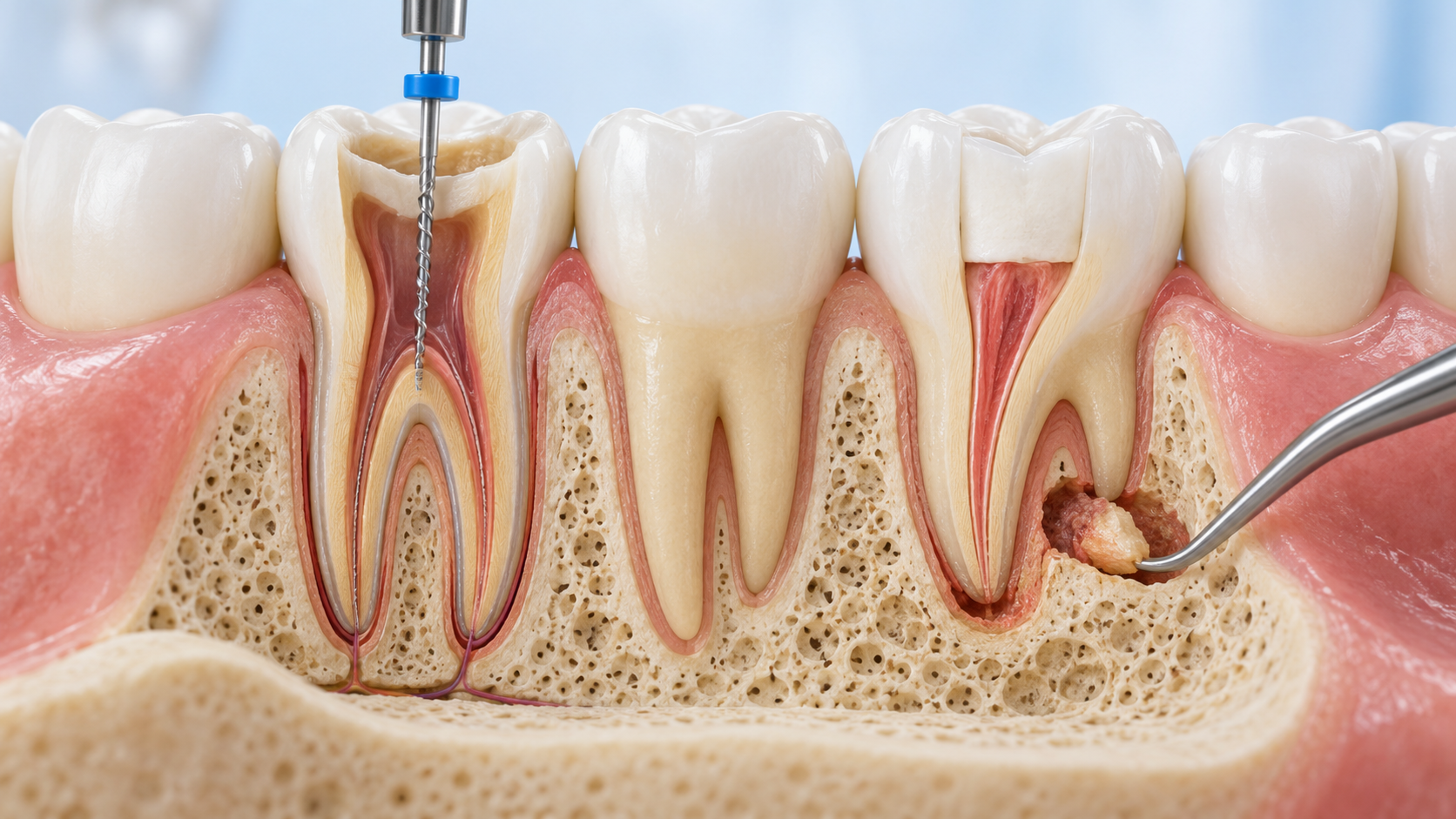
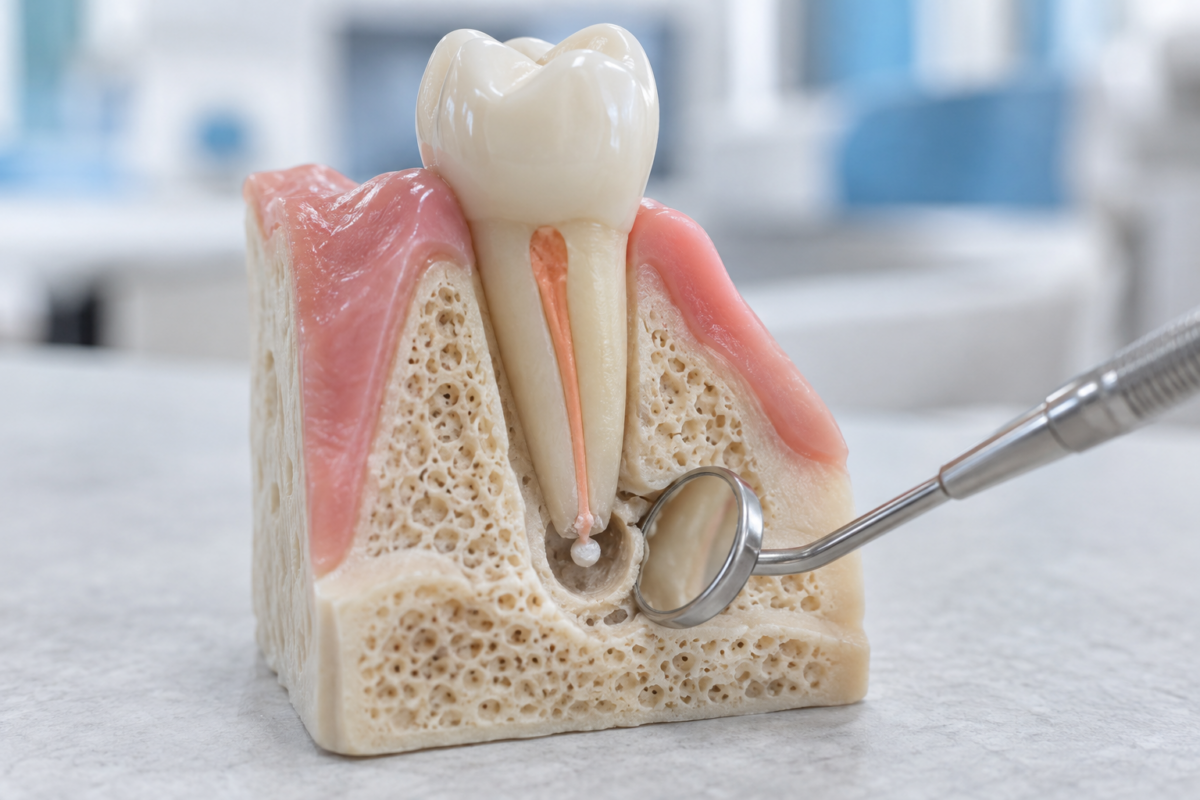
An apicoectomy approaches the problem differently. Instead of reopening the tooth from the chewing surface, the specialist accesses the affected area through the gum near the root. The infected tissue and a small portion of the root tip are removed, and the end of the root canal can then be sealed.
The American Association of Endodontists identifies an apicoectomy as the most common type of endodontic surgery when inflammation or infection persists around the end of a tooth after root canal treatment.
How to Preserve a Tooth When Infection Remains After Root Canal Therapy
A root canal is intended to remove bacteria and infected tissue from inside a tooth. However, the root canal system can be extremely complex. Teeth may contain narrow branches, unusual anatomy, calcified areas, or spaces that are difficult to identify or access during conventional treatment.
As a result, a previously treated tooth may sometimes develop persistent or recurring inflammation near the root.
An apicoectomy can help preserve the tooth by addressing the source of the problem directly at the root tip.
Instead of removing the entire tooth, the procedure generally focuses on:
- Accessing the affected root through the surrounding gum tissue
- Removing inflamed or infected tissue near the root
- Removing a small portion of the root tip
- Examining the root for additional concerns
- Cleaning the affected area
- Sealing the end of the root canal when appropriate
- Allowing the surrounding gum and bone to heal
This targeted approach can make an apicoectomy an important treatment option for patients researching how to preserve a tooth that might otherwise face extraction.
Why Can Infection Remain After a Root Canal?
Root canal treatment is highly effective for many patients, but the internal anatomy of teeth can be complicated. A tooth can contain extremely small canals, branches, curves, and other structures that make certain areas difficult to reach through conventional treatment.
Persistent problems may occur for several reasons.
Hidden or Accessory Canals
Some teeth contain tiny branches extending from the primary root canal system. If bacteria remain inside one of these difficult-to-access spaces, inflammation can continue near the root tip.
Complex Root Anatomy
Roots are not always straight or uniform. Curves, narrow passages, and anatomical irregularities may make portions of the canal difficult to clean using conventional methods.
Calcified or Blocked Canals
Mineral deposits can sometimes narrow or obstruct portions of a root canal. The American Association of Endodontists explains that endodontic surgery may be considered when calcification prevents conventional instruments from reaching the end of the root.
Persistent Infection Near the Root Tip
Even after the inside of the tooth has been treated, infected or inflamed tissue may remain in the surrounding bone near the root tip.
Small Cracks or Root Irregularities
In certain cases, a very small fracture or irregularity may not be clearly visible during the original treatment. Surgical access can allow the specialist to examine the root more directly.
When Is an Apicoectomy Recommended?
An apicoectomy is not automatically required whenever a root canal tooth develops discomfort. An endodontist must evaluate the tooth, previous dental treatment, surrounding bone, symptoms, and diagnostic imaging before determining whether surgery is appropriate.
An apicoectomy may be considered when:
- A previous root canal has not fully resolved an infection
- Infection returns after root canal treatment
- A cyst or abscess remains near the root tip
- An accessory canal cannot be reached through conventional treatment
- Calcification prevents access to part of the root canal
- Root anatomy makes nonsurgical retreatment difficult
- A suspected problem near the root requires direct examination
- The surrounding tissue or bone continues to show signs of inflammation
Endodontic retreatment may be another possible option in some situations. During retreatment, the original filling material is removed so the canals can be cleaned, evaluated, and sealed again. The appropriate approach depends on the condition and anatomy of the individual tooth.
How Does an Apicoectomy Help Preserve Teeth?
The central goal of an apicoectomy is to eliminate persistent disease while retaining the healthy portions of the natural tooth.
Understanding how to preserve teeth through this procedure comes down to several important steps.
Removing Persistent Infection
The specialist gains direct access to the area around the root tip and removes infected or inflamed tissue that may not have been reachable through conventional treatment.
Removing the Problematic Root Tip
A small portion at the very end of the affected root is removed. This helps eliminate tissue and anatomy associated with the persistent infection.
Sealing the Root From the End
A small root-end filling may be placed to seal the canal and reduce the opportunity for bacteria to travel through the end of the root.
Maintaining the Rest of the Tooth
Rather than extracting the entire tooth, the procedure preserves the crown and most of the root structure.
Supporting Healing Around the Root
Once the infected tissue has been removed and the area has been sealed, the surrounding tissues and bone can begin healing. According to the American Association of Endodontists, bone gradually heals around the end of the root following successful endodontic surgery.
The Role of Endodontic Microsurgery in Preserving Natural Teeth
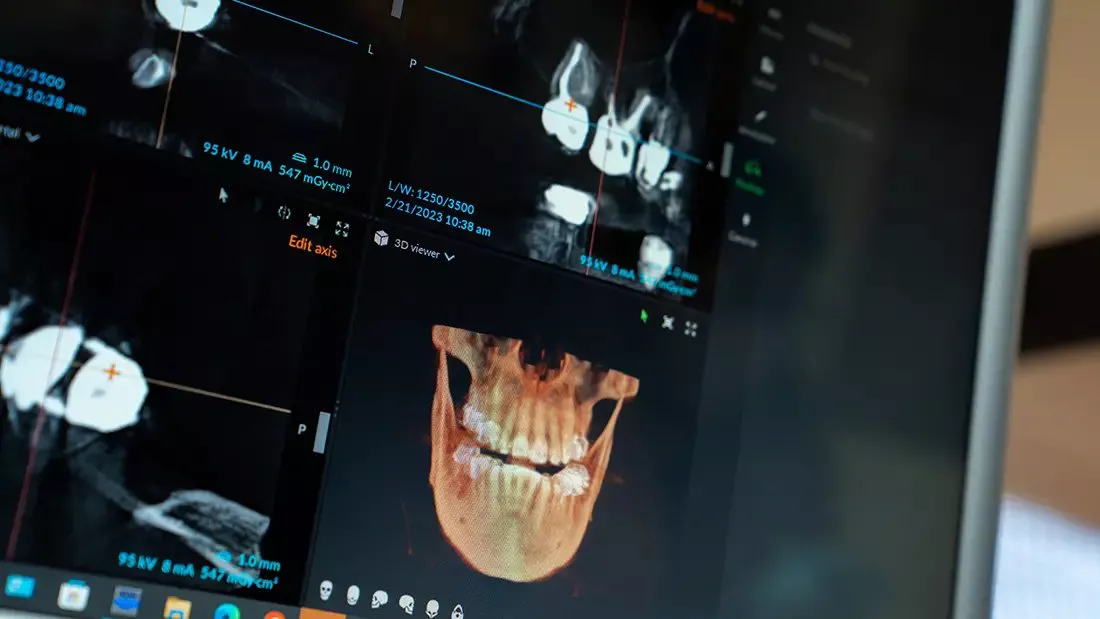
An apicoectomy is often performed using microsurgical endodontic techniques. These techniques allow an endodontist to examine structures that may be extremely difficult to see with the unaided eye.
High-powered magnification and specialized instruments make it possible to work precisely around the root and surrounding tissues. This can be especially valuable when dealing with tiny accessory canals, irregular root anatomy, small fractures, or infection concentrated within a limited area.
For patients researching how to preserve a tooth after previous root canal therapy, microsurgery can provide another opportunity to address a localized problem without immediately proceeding to extraction.
What to Expect After a Dental Apicoectomy
Recovery following an apicoectomy varies from person to person and depends partly on the location and complexity of the procedure.
Some swelling, tenderness, or mild discomfort can occur around the surgical area. Patients should follow the postoperative instructions provided by their dental specialist regarding oral hygiene, medications, eating, and activity.
The American Association of Endodontists reports that post-surgical discomfort is generally mild and that many patients can resume normal activities the following day, although individual recovery experiences vary.
The gum tissue typically begins healing first, while the bone surrounding the root may continue healing over the following months.
How to Preserve Teeth After an Apicoectomy
Successful treatment is only one part of maintaining a natural tooth. Long-term oral care also plays an important role in preserving the treated tooth and protecting the rest of your smile.
Patients should generally focus on:
- Following all post-treatment instructions
- Maintaining consistent brushing and flossing
- Protecting the surgical site while it heals
- Attending recommended follow-up appointments
- Keeping up with routine dental examinations and cleanings
- Addressing new pain, swelling, or other changes promptly
- Protecting restorations such as crowns or fillings from damage
- Avoiding habits that can place unnecessary stress on the teeth
Learning how to preserve teeth requires both appropriate professional treatment and consistent long-term preventive care.
Dental Apicoectomy Treatment at Foundation Dental Specialists in Pasadena
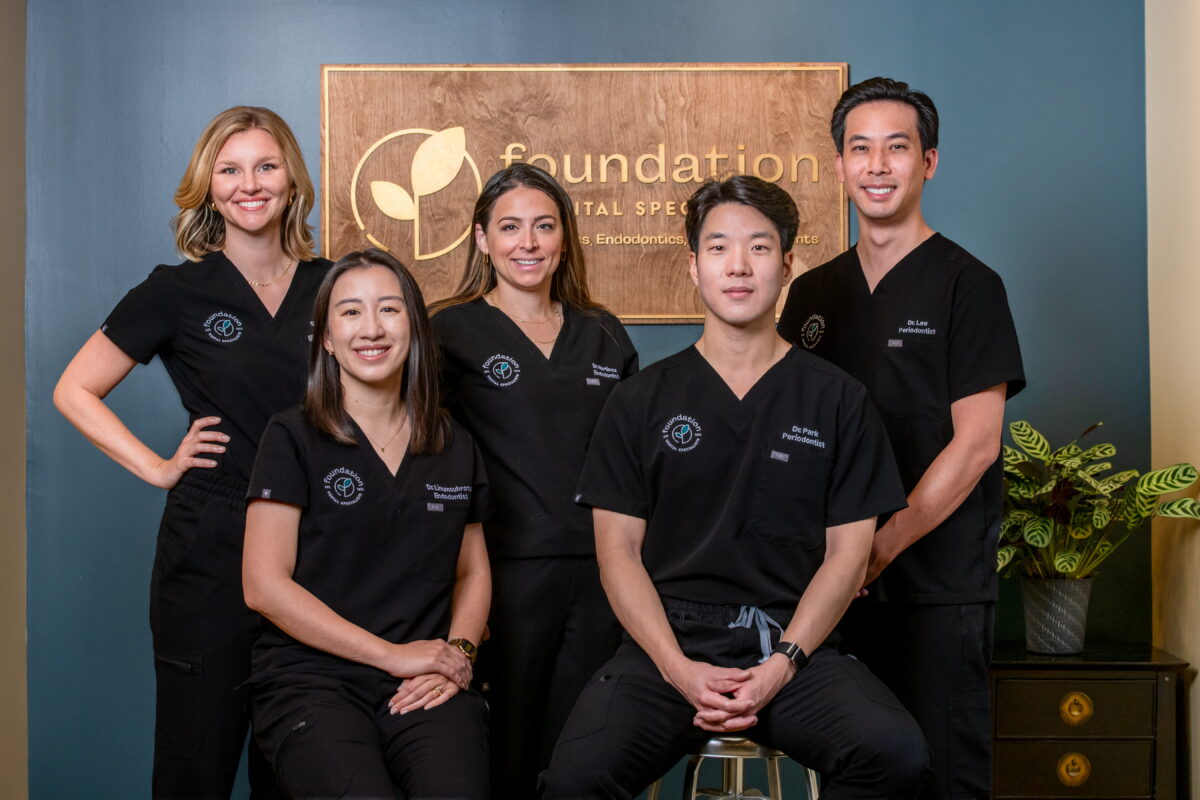
At Foundation Dental Specialists in Pasadena, our periodontists and endodontists are committed to providing personalized specialty dental care designed around each patient’s individual needs. Our treatment planning combines scientific evidence, clinical judgment, professional experience, and patient preferences to help identify appropriate solutions for maintaining oral health.
Our endodontic microsurgery services use specialized techniques, advanced instruments, diagnostic technology, and high-powered magnification to treat intricate areas within and around damaged teeth. Foundation Dental Specialists provides both periodontal and endodontic specialty care in Pasadena, including advanced treatment designed to help preserve natural teeth whenever clinically appropriate.
For patients with persistent infection following root canal therapy, our dental apicoectomy procedure provides a targeted approach to removing infected tissue around the root tip while working to preserve the natural tooth. Each treatment plan is customized based on the condition of the tooth, the surrounding tissues, diagnostic findings, and the patient’s individual oral health needs.
Learn How to Preserve a Tooth With an Apicoectomy in Pasadena
When infection continues after root canal treatment, extraction is not necessarily the only option. A dental apicoectomy can provide direct access to infection around the root tip, allowing damaged or infected tissue to be removed while preserving the majority of the natural tooth.
If you are trying to determine how to preserve a tooth after previous root canal treatment, a specialized endodontic evaluation can help clarify your options. Contact Foundation Dental Specialists today to learn more about dental apicoectomy treatment or schedule an appointment with our specialty team.