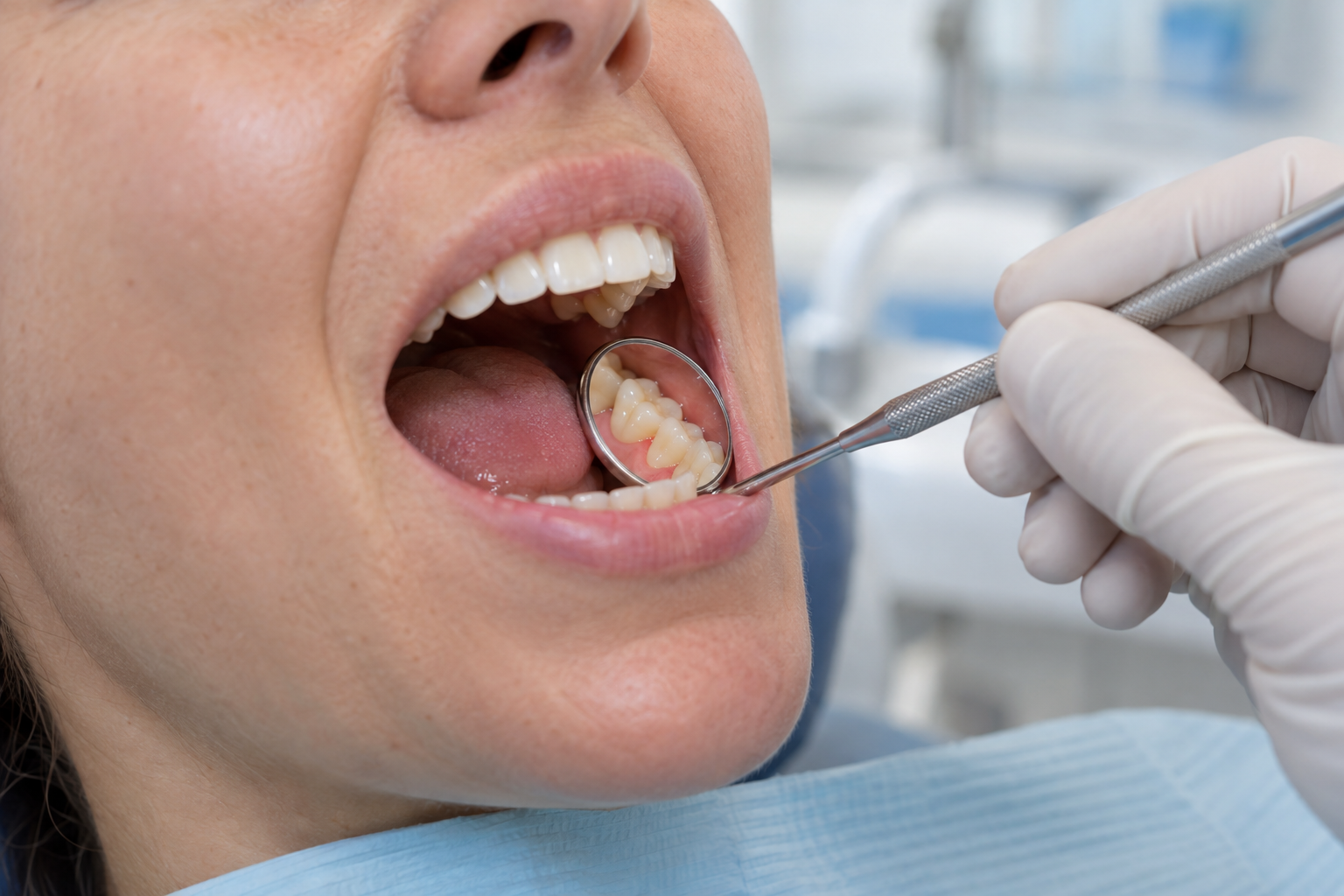
Root canal treatment is designed to remove infection from inside a tooth, protect the remaining structure, and help preserve the natural tooth. While root canal therapy has a strong track record, there are situations where a previously treated tooth does not heal properly or develops a new infection months or even years later. When this occurs, additional treatment may be necessary to address the underlying problem and protect the surrounding teeth, gums, and jawbone.
Fortunately, a failed root canal does not automatically mean the tooth needs to be removed. Depending on the cause of the problem, treatment may include nonsurgical root canal retreatment, an apicoectomy, or, when the tooth cannot predictably be saved, extraction and replacement. Understanding the available treatment for failed root canal problems can help patients make a more informed decision about protecting their natural smile.
Common Causes of a Failed Root Canal
Determining why a root canal failed is one of the most important steps in selecting the appropriate treatment. An endodontist can evaluate the tooth, existing restoration, surrounding bone, and root canal anatomy to identify the source of persistent or recurring problems.

Some of the most common causes include:
Missed or Difficult-to-Reach Canals
Some teeth contain extremely narrow, curved, or unusually positioned canals. There may also be small accessory canals branching away from the main root canal system.
If infected tissue or bacteria remain in an area that could not be reached during the original treatment, inflammation or infection may continue around the root.
Complex Root Anatomy
Not every root has a simple internal structure. Calcification, unusual canal shapes, tiny branches, and other anatomical variations can make complete treatment difficult.
Modern magnification and three-dimensional imaging can provide specialists with additional information when evaluating these complex cases.
Bacterial Leakage
After root canal therapy, the treated tooth must remain properly sealed. A restoration that does not adequately prevent contamination can allow saliva and bacteria to reach the root canal system again.
The American Association of Endodontists identifies inadequate sealing and salivary contamination as potential reasons a treated tooth may fail to heal properly.
New Tooth Decay
A root canal does not make a tooth immune to cavities. New decay can form around a crown or filling and eventually expose the previously treated portions of the tooth to bacteria.
A Loose, Damaged, or Broken Restoration
A cracked crown, broken filling, or loose restoration can compromise the protective seal surrounding a root canal-treated tooth. Once the seal is damaged, bacteria may gain access to the internal tooth structure and create another infection.
Cracks or Root Fractures
Small cracks can sometimes be difficult to detect during an initial procedure. A crack may also develop later as a result of biting forces, trauma, or weakening of the remaining tooth structure.
The location and severity of a fracture play an important role in determining whether the tooth can still be preserved.
Persistent Infection Around the Root Tip
In some cases, the inside of the tooth has been adequately treated but inflammation or infection remains in the bone surrounding the tip of the root. This type of problem may require treatment from outside the tooth rather than another conventional root canal procedure.
Signs and Symptoms of a Failed Root Canal
Symptoms do not always appear immediately when a root canal develops a problem. A previously treated tooth may feel normal for months or years before new symptoms emerge.
Potential signs of a failed root canal can include:
- Persistent or recurring tooth pain
- Pain or tenderness when biting or chewing
- Swelling around the affected tooth
- Tender or swollen gum tissue
- A recurring pimple or bump on the gums
- Drainage or an unpleasant taste near the tooth
- Sensitivity or pressure around the treated area
- A dental abscess
- A loose, cracked, or damaged crown
- Changes detected on dental X-rays even when symptoms are minimal
Some temporary tenderness can occur following root canal therapy, so discomfort immediately after treatment does not necessarily indicate failure. However, persistent, worsening, or recurring symptoms should be evaluated by a dentist or endodontist.
What Is the Best Treatment for a Failed Root Canal?
There is no single treatment that is best for every failed root canal. The most appropriate option depends on factors such as the source of the infection, condition of the existing root canal, accessibility of the canals, presence of a crown or dental post, condition of the surrounding bone, and whether the tooth has cracks or other structural damage.
When a tooth can predictably be preserved, treatment frequently focuses on saving the natural tooth rather than immediately proceeding with extraction.
The three primary options include nonsurgical root canal retreatment, an apicoectomy, and tooth extraction.
Option 1: Root Canal Retreatment
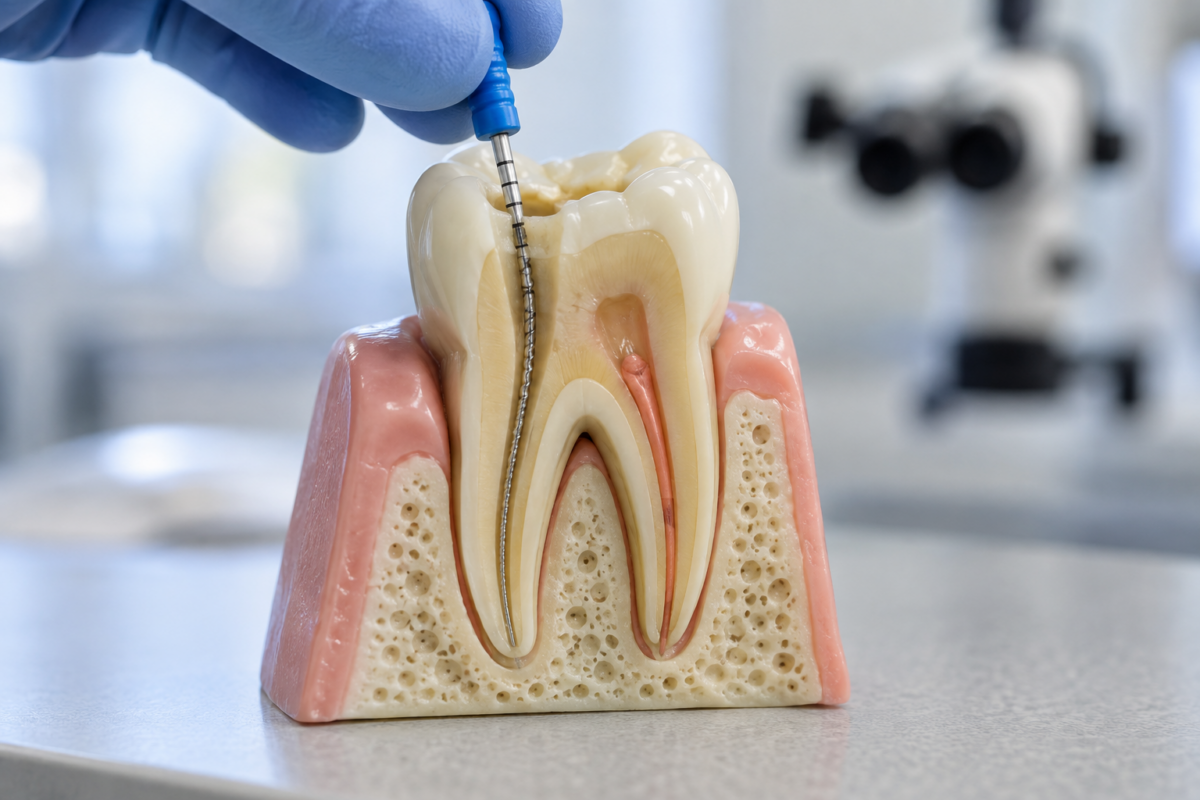
Nonsurgical root canal retreatment may be recommended when the problem can be addressed by accessing the interior of the tooth again.
During retreatment, an endodontist reopens the tooth and removes the previous root canal filling material. The canals can then be examined for infection, missed anatomy, or other problems. They are cleaned, reshaped, disinfected, and filled again before the tooth is resealed and eventually restored.
Retreatment may be particularly useful when:
- A canal was missed during the original procedure.
- A canal was not completely treated.
- New bacteria have entered the tooth.
- New decay has compromised the restoration.
- A filling or crown has allowed bacterial leakage.
- Additional canal anatomy can now be identified and treated.
Modern magnification and endodontic techniques may also allow specialists to identify complexities that were difficult to visualize during the original procedure.
However, retreatment is not always the most practical option. A crown, post, or other extensive restoration may make accessing the canals difficult, and some problems originate around the root tip rather than within an accessible portion of the canal.
Option 2: Apicoectomy and Endodontic Microsurgery
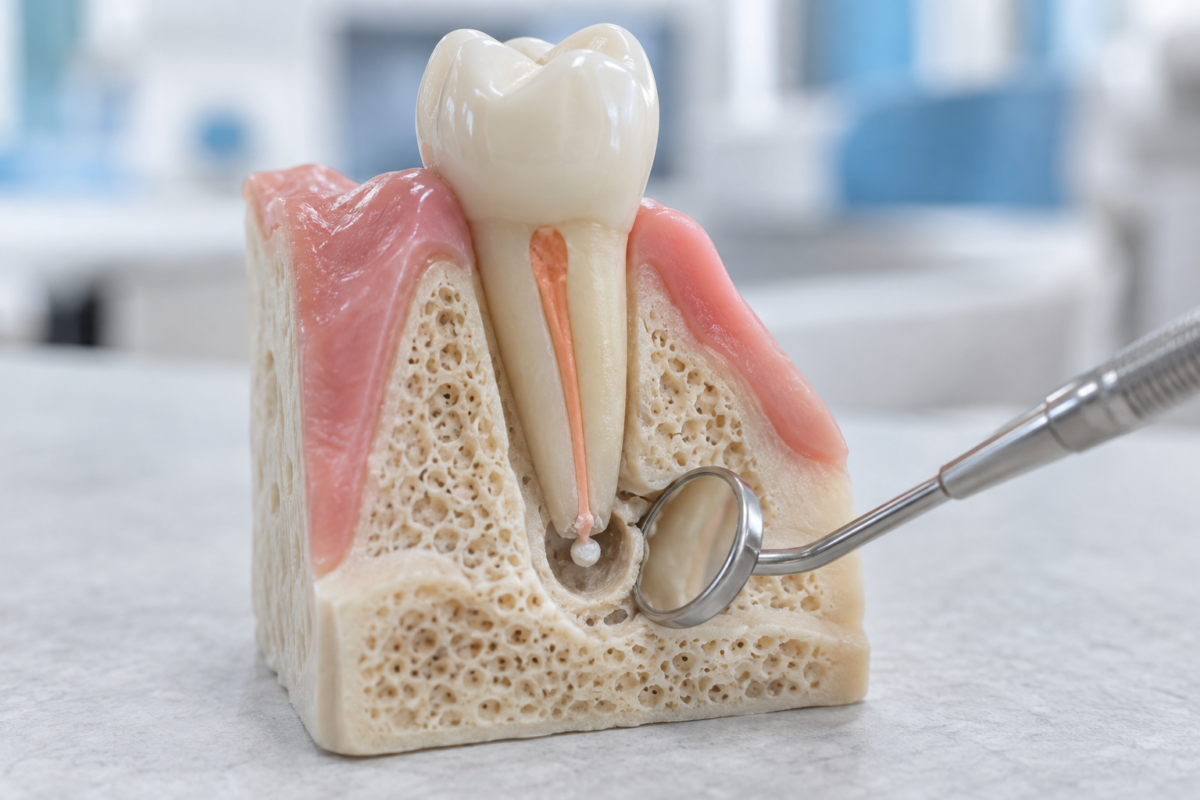
When infection or inflammation persists near the end of a tooth root, an apicoectomy may offer another opportunity to preserve the tooth.
An apicoectomy is sometimes called root-end surgery because the endodontist approaches the problem from outside the tooth. Rather than reopening the tooth from the chewing surface, the specialist accesses the root through the nearby gum tissue.
The American Association of Endodontists describes an apicoectomy as the most common form of endodontic surgery and notes that it may be used when inflammation or infection continues around the end of a root after previous root canal treatment.
An apicoectomy may be considered when:
- Conventional root canal treatment has not completely resolved an infection.
- Infection remains concentrated around the root tip.
- A cyst, abscess, or lesion remains near the root.
- Accessory canals contain remaining bacteria.
- A canal is calcified, blocked, or otherwise inaccessible.
- A crown or post makes conventional retreatment difficult.
- Unusual root anatomy prevents complete treatment from inside the tooth.
- A specialist needs direct access to evaluate the root surface.
By directly accessing the affected root tip, endodontic microsurgery can address areas that cannot always be reached through conventional nonsurgical treatment.
Option 3: Tooth Extraction and Replacement
Preserving the natural tooth is generally considered whenever it can be accomplished predictably, but not every failed root canal can be successfully treated.
Extraction may become necessary when there is extensive structural damage, a severe or unfavorable root fracture, substantial loss of tooth structure, or another condition that makes the tooth impossible to restore predictably. Certain vertical root fractures, for example, can make a tooth nonsalvageable.
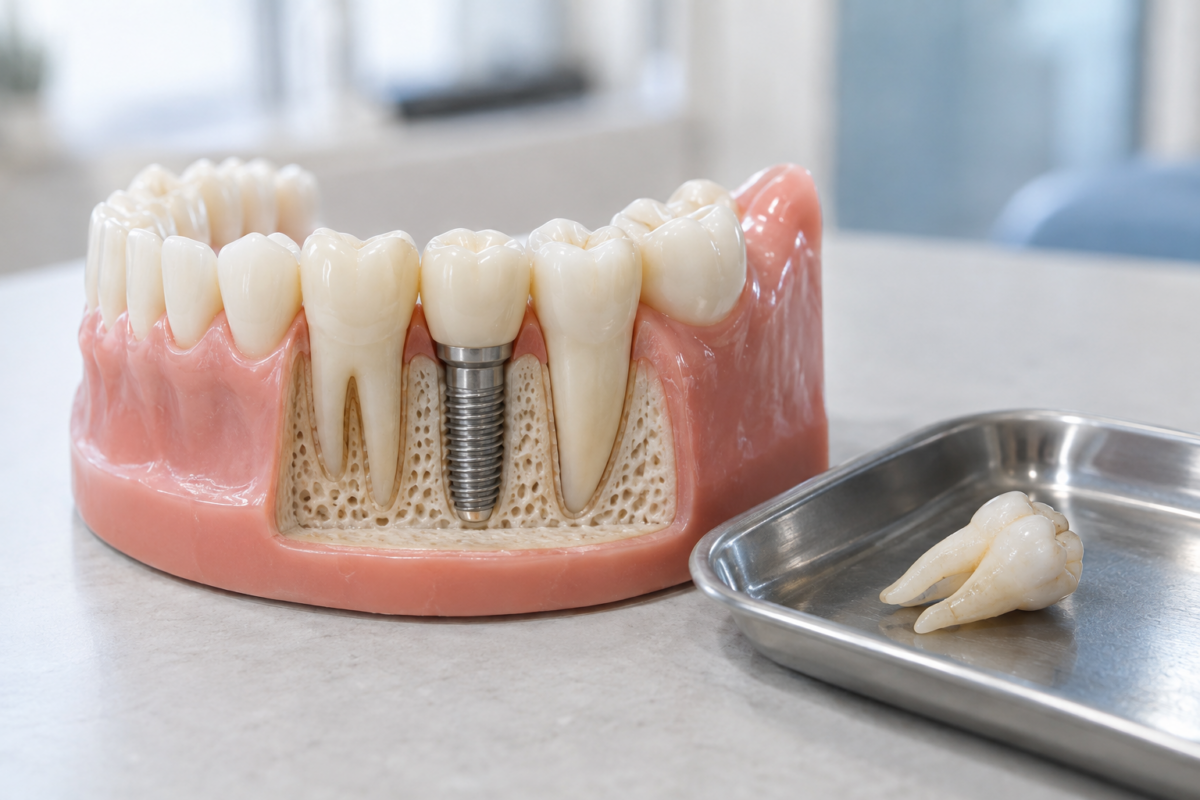
After an extraction, options for replacing the missing tooth may include:
- A dental implant
- A fixed dental bridge
- A removable partial denture
The appropriate replacement depends on the patient’s overall oral health, bone support, surrounding teeth, goals, and other clinical considerations.
Because removing a tooth is permanent, an evaluation by an endodontic specialist can be valuable before deciding that extraction is the only option.
Comparing Root Canal Treatment Options
Both root canal retreatment and an apicoectomy are intended to address persistent disease and potentially preserve a natural tooth, but they approach the problem differently.
Treatment | How the Tooth Is Accessed | Common Reasons for Treatment | Primary Goal |
Root Canal Retreatment | Through the crown of the tooth | Missed canals, bacterial leakage, new decay, incomplete previous treatment | Reclean and reseal the internal root canal system |
Apicoectomy | Through the gum near the root tip | Persistent root-tip infection, inaccessible canals, complex anatomy, cysts or lesions | Remove infection surrounding the root tip and seal the root from the end |
Extraction | Entire tooth is removed | Severe fracture, extensive structural damage, tooth cannot predictably be restored | Eliminate the diseased tooth and prepare for possible tooth replacement |
Neither retreatment nor surgery should automatically be considered the right choice in every situation. The location of the problem and condition of the tooth ultimately guide treatment.
Is an Apicoectomy the Best Treatment for Failed Root Canal Problems?
For certain patients, yes. An apicoectomy can be an excellent treatment for failed root canal problems when persistent infection is concentrated around the root tip or when reaching the affected area through conventional retreatment would be difficult.
For example, a tooth may contain a blocked or calcified canal that prevents instruments from reaching the end of the root. In other cases, removing an existing crown, post, or extensive restoration to perform retreatment may create additional complications.
Because an apicoectomy approaches the infection directly from the root end, the endodontist can remove diseased tissue while preserving much of the existing tooth and restoration.
However, the best treatment should always be based on an individual diagnosis rather than assuming every failed root canal requires the same procedure.
Dental Apicoectomy at Foundation Dental Specialists in Pasadena
At Foundation Dental Specialists, our periodontists and endodontists are passionate about providing patients with personalized specialty dental care. We develop customized treatment plans by combining strong scientific evidence with clinical judgment, experience, advanced technology, and each patient’s individual preferences. Our collaborative approach allows us to carefully evaluate complex dental problems and determine whether nonsurgical retreatment, endodontic microsurgery, an apicoectomy, or another solution is most appropriate.
For patients with persistent infection following root canal therapy, we provide advanced dental apicoectomy treatment in Pasadena. Our specialists use advanced diagnostic technology, including CBCT three-dimensional imaging, to examine tooth roots, surrounding bone, complex anatomy, and the location of infection from multiple angles. We also incorporate specialized endodontic techniques and magnification to precisely address difficult areas while focusing on preserving the patient’s natural tooth whenever appropriate.
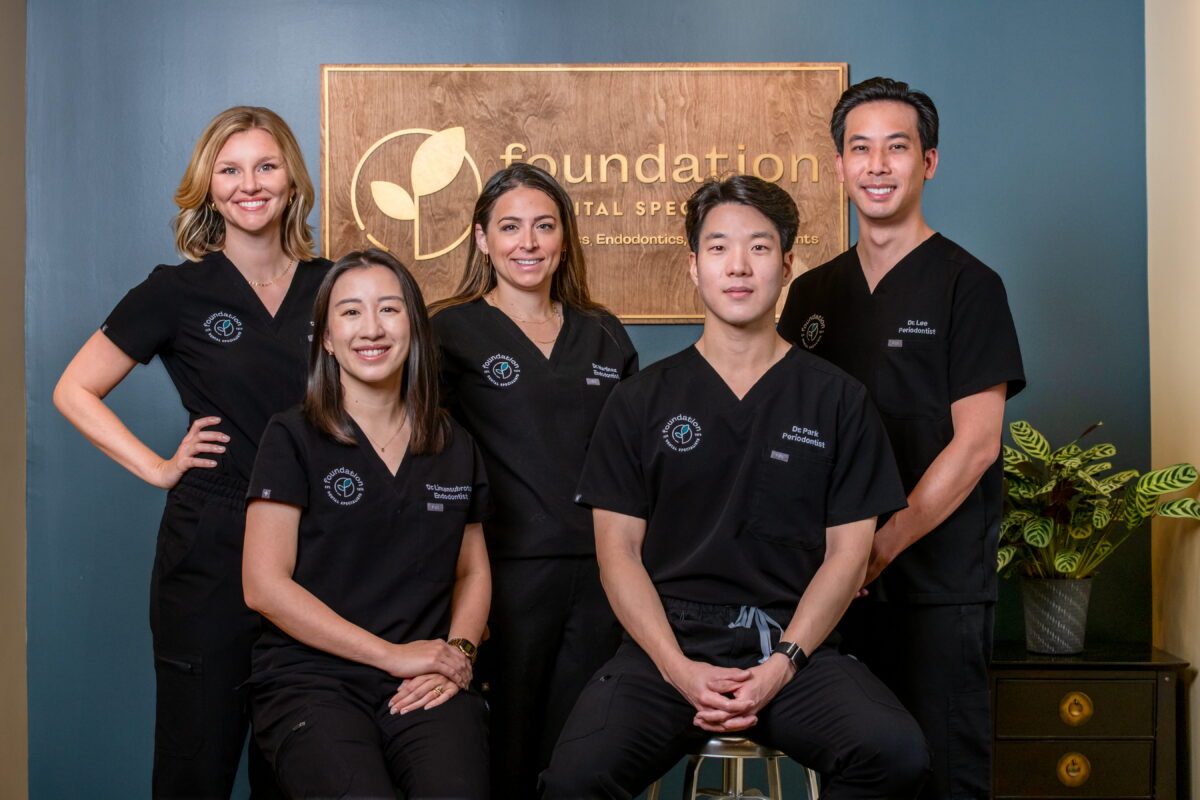
Get the Right Treatment for a Failed Root Canal
If you are dealing with recurring pain, swelling, tenderness, or signs of infection after a previous root canal, now is the time to have the tooth evaluated. At Foundation Dental Specialists in Pasadena, our experienced endodontic team uses advanced imaging, microsurgical techniques, and personalized treatment planning to identify the source of the problem and recommend the most appropriate treatment for failed root canal complications.
Contact Foundation Dental Specialists today to schedule an appointment and find out whether an apicoectomy or another advanced endodontic retreatment can help save your tooth. The sooner the problem is properly diagnosed, the sooner you can take the next step toward relieving discomfort, controlling infection, and restoring your oral health.