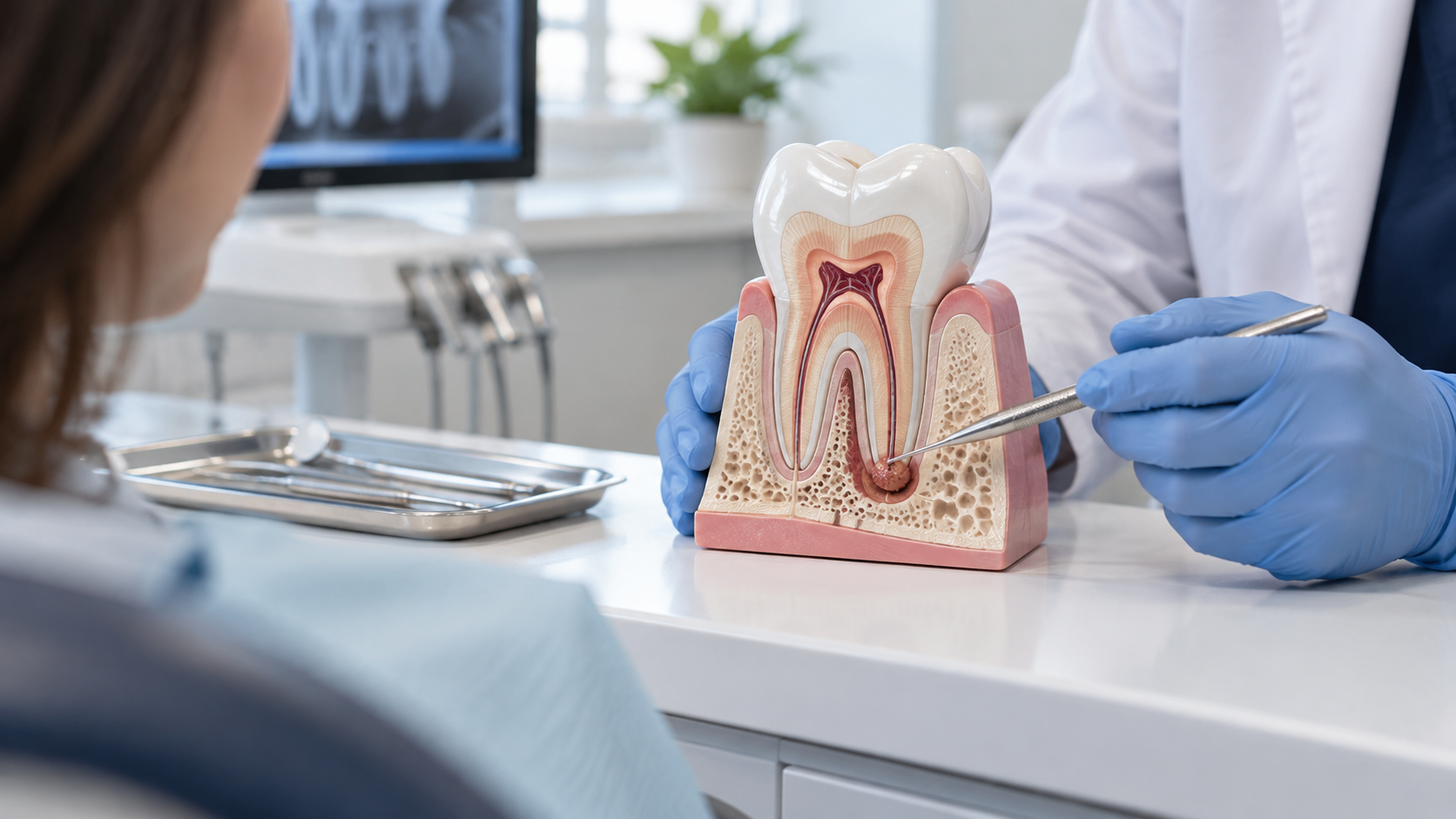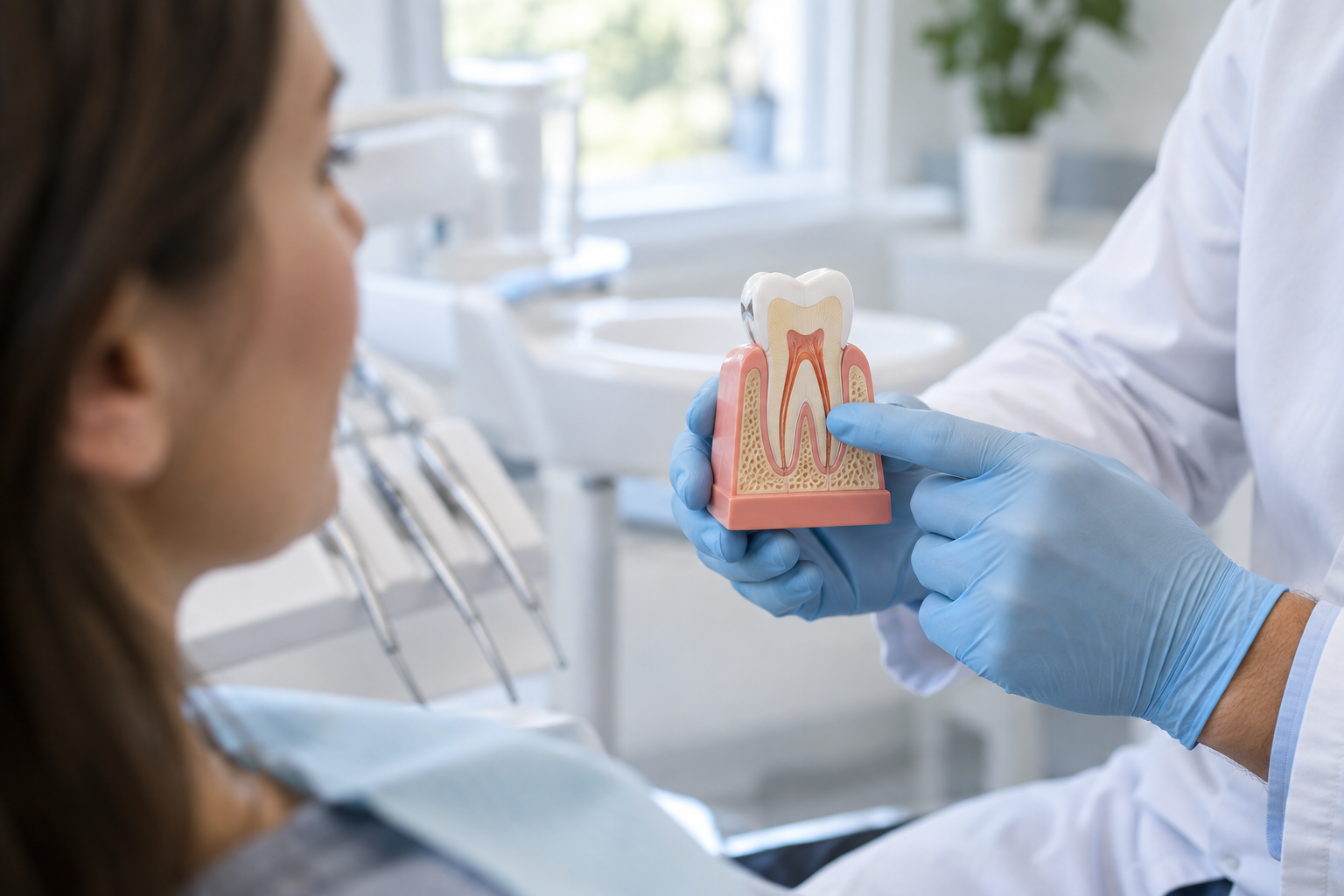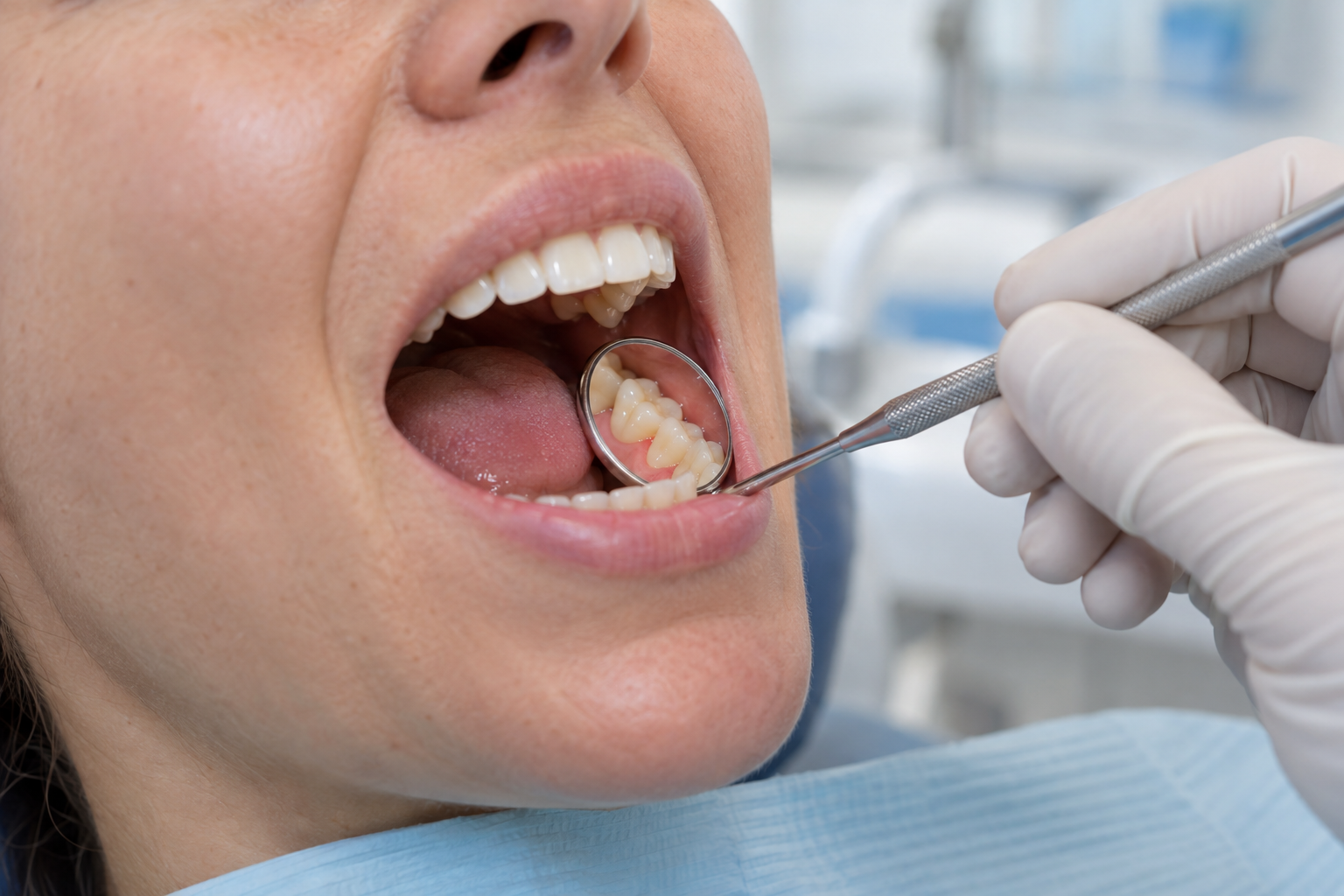
When an infection develops deep inside a tooth or around its roots, endodontic treatment can often help eliminate the infection while preserving the natural tooth. Two procedures that may be considered are root canal therapy and an apicoectomy. Although both treatments are designed to address infection and help save teeth, they treat different areas of the tooth and are typically used at different stages of care.
Understanding apicoectomy vs root canal treatment can help patients know why a dentist or endodontist may recommend one procedure instead of the other. A root canal is generally the first treatment used when the pulp inside a tooth becomes inflamed or infected, while an apicoectomy is a form of endodontic surgery that may be recommended when infection or inflammation persists around the root tip after previous treatment.
Below, we take an in-depth look at root canal treatment vs apicoectomy, including how each procedure works, when each may be necessary, and how advanced endodontic care can help preserve a natural tooth.
What Is Root Canal Treatment?
Root canal treatment is a nonsurgical endodontic procedure used to treat inflammation or infection inside a tooth. Beneath a tooth’s enamel and dentin is a soft inner tissue called the pulp. When bacteria reach this tissue because of deep decay, cracks, trauma, repeated dental procedures, or other problems, the pulp can become inflamed or infected.
During root canal therapy, an endodontist accesses the inside of the tooth, removes the damaged or infected pulp, and thoroughly cleans and disinfects the root canal system. The canals are then shaped and sealed to reduce the risk of bacteria entering the tooth again. A filling or dental crown is commonly used afterward to protect and restore the tooth.
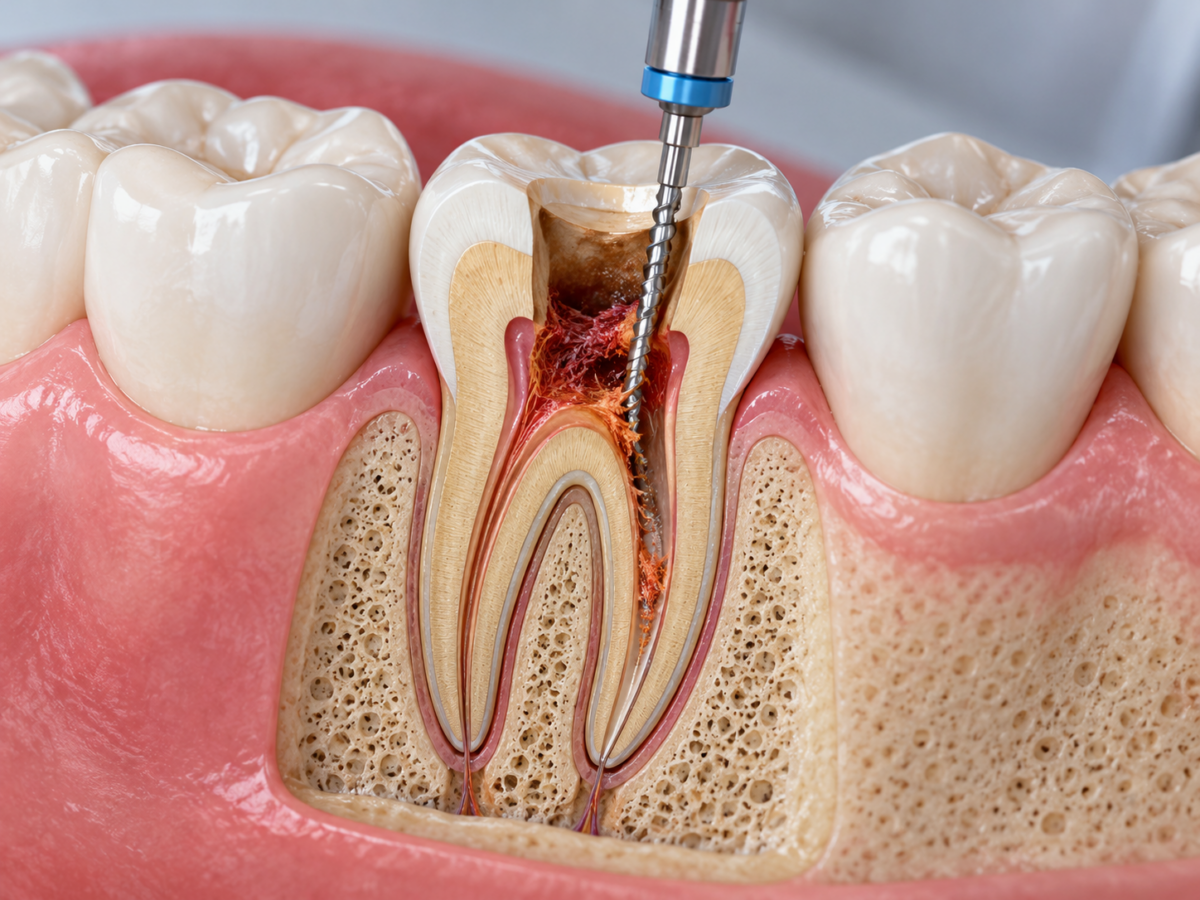
Root canal therapy may be recommended when a patient experiences problems such as:
- Deep tooth decay that has reached the pulp
- Persistent or severe tooth pain
- Infection within the root canal system
- An abscess associated with an infected tooth
- A cracked or chipped tooth that has damaged the pulp
- Pulp damage caused by dental trauma
- Inflammation following repeated dental procedures
The primary goal is to remove infected or inflamed tissue from inside the tooth while preserving the natural tooth structure whenever possible.
What Is a Dental Apicoectomy?
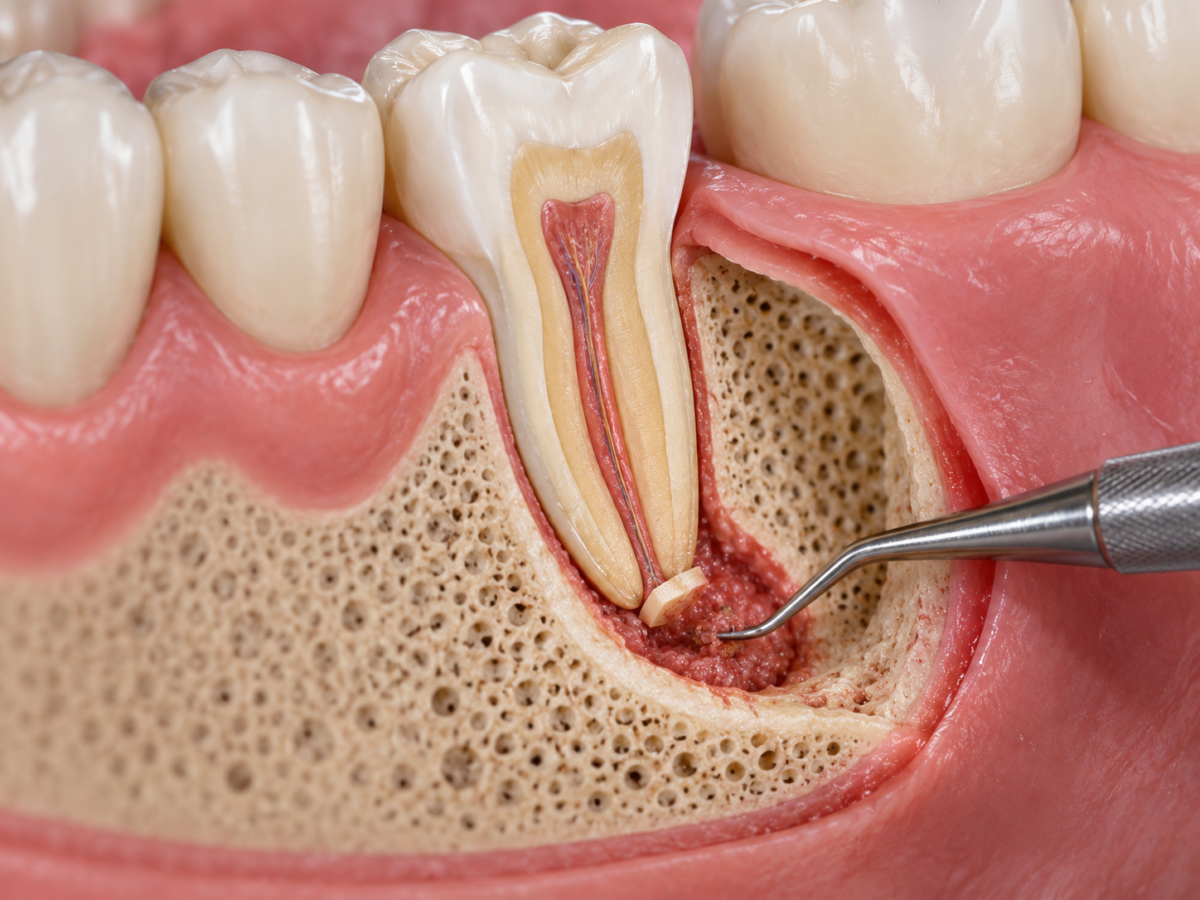
A dental apicoectomy, also known as root-end surgery or root-end resection, is a surgical endodontic procedure used primarily to treat problems around the tip of a tooth’s root.
Unlike root canal therapy, an apicoectomy does not approach the infection by entering through the crown of the tooth. Instead, the endodontist makes a small opening in the gum near the affected root, removes infected or inflamed tissue surrounding the root tip, and removes a small portion of the root itself. The end of the root canal can then be prepared and sealed before the gum tissue is repositioned and sutured.
An apicoectomy is commonly considered when a tooth has already undergone root canal therapy but inflammation or infection persists around the end of the root. It can also provide direct access to areas that may be difficult or impossible to reach through conventional nonsurgical treatment.
Problems that may lead to consideration of an apicoectomy include:
- Persistent infection after root canal treatment
- Recurring swelling or discomfort
- Infection or lesions near the root tip
- Complex root anatomy
- Very narrow or inaccessible canals
- Blockages that prevent conventional treatment from reaching the root tip
- Damaged root surfaces
- Hidden anatomical features or small fractures
- Situations in which conventional retreatment may not be the preferred approach
The American Association of Endodontists notes that endodontic surgery can also help identify hidden canals or small fractures that were not apparent during earlier treatment.
Apicoectomy vs Root Canal Treatment: Key Differences
The biggest difference when comparing an apicoectomy vs root canal treatment is where and how the tooth is treated. Root canal therapy addresses infection from within the tooth, while an apicoectomy approaches the affected root from outside the tooth through the surrounding gum tissue.
Comparison | Root Canal Treatment | Apicoectomy |
Type of procedure | Nonsurgical endodontic treatment | Surgical endodontic treatment |
Area treated | Inside the tooth and root canals | Root tip and surrounding tissue or bone |
How the tooth is accessed | Through an opening in the crown of the tooth | Through a small opening in the gum near the root |
What is removed | Inflamed or infected pulp and bacteria within the canals | Infected tissue and a small portion of the root tip |
When it is commonly used | Initial treatment for infected or inflamed dental pulp | When problems persist around the root tip after previous treatment |
Primary goal | Clean and seal the internal root canal system | Remove persistent disease around the root end and seal the root from the tip |
May preserve the natural tooth? | Yes | Yes |
Sutures required? | Typically no | Generally yes |
Common specialist | Endodontist | Endodontist |
These procedures should not necessarily be viewed as competing alternatives. In many cases, they form part of a progression of treatment designed to eliminate infection while giving the natural tooth the best reasonable opportunity to remain in place.
When Is a Root Canal Used?
When comparing root canal treatment vs apicoectomy, root canal therapy is usually the treatment considered first when bacteria or inflammation have affected the pulp inside the tooth.
For example, a patient may develop deep decay that progresses beyond the outer tooth structure and reaches the pulp chamber. Once the pulp becomes irreversibly inflamed or infected, simply placing a filling may no longer address the underlying problem. Root canal therapy allows the diseased tissue to be removed while retaining the external structure of the tooth.
Root canal therapy may also be used following trauma or when a cracked tooth has exposed or damaged the pulp.
At Foundation Dental Specialists, root canal treatment involves a diagnostic evaluation followed by removal of the infected pulp, cleaning and disinfection of the canals, and sealing the internal space. Advanced imaging, including CBCT when appropriate, and microscopic visualization can help specialists evaluate complex root structures and plan treatment more precisely.
When Is an Apicoectomy Used?
An apicoectomy normally enters the treatment process later. It is most often considered when a tooth has already undergone root canal treatment but disease remains near the end of the root.
A root canal system can be extremely complex. Tiny accessory canals, unusual root shapes, calcification, or other anatomical features may make certain areas difficult to reach through the crown of the tooth. In some cases, bacteria can remain near the root tip despite previous treatment.
An apicoectomy allows an endodontist to approach the area directly. Instead of reopening and navigating the entire root canal system from above, the specialist accesses the root from the gum and bone surrounding the affected area.
According to the American Association of Endodontists, an apicoectomy may be used when inflammation or infection continues in the bone around the root end following root canal treatment. Surgery may also provide access when canals are extremely narrow because of calcification or when previously undetected anatomy needs to be investigated.
What Happens When an Infection Persists After a Root Canal?
A tooth does not automatically need to be extracted simply because symptoms or infection return after root canal therapy. An endodontist can evaluate why the tooth has not healed as expected and determine whether additional treatment may preserve it.
Persistent problems can potentially be associated with factors such as:
- A previously untreated or hidden canal
- Complicated root anatomy
- Bacteria remaining within portions of the canal system
- New decay exposing the tooth to bacteria
- Leakage around a restoration
- A damaged filling or crown
- A fracture
- Infection or inflammation concentrated near the root tip
The appropriate treatment depends on the underlying cause.
In some situations, nonsurgical root canal retreatment may be performed. The tooth is reopened, previous root canal materials are removed, and the canals are examined, cleaned, disinfected, and resealed.
In other cases, an apicoectomy may offer a more direct way to reach the affected root end and surrounding tissue. A detailed examination and diagnostic imaging are therefore important before deciding how to address a persistent infection.
Root Canal Retreatment vs Apicoectomy
Another important distinction in the apicoectomy vs root canal treatment discussion involves root canal retreatment.
Retreatment and an apicoectomy are both possible approaches for a tooth that has previously received root canal therapy, but they access the problem differently.
During retreatment, the endodontist approaches the root canals through the top of the tooth again. Existing filling materials are removed so that the canals can be inspected for untreated areas or new infection. The canals are then cleaned and resealed.
An apicoectomy approaches the tooth from the opposite direction. The specialist accesses the root through the gum, removes the diseased tissue and root tip, and seals the canal at its end.
Which approach is appropriate depends on factors such as root anatomy, existing restorations, the location of the infection, previous treatment, and whether the source of the problem can reasonably be addressed through the original canal pathway.
How Does Endodontic Microsurgery Make an Apicoectomy More Precise?
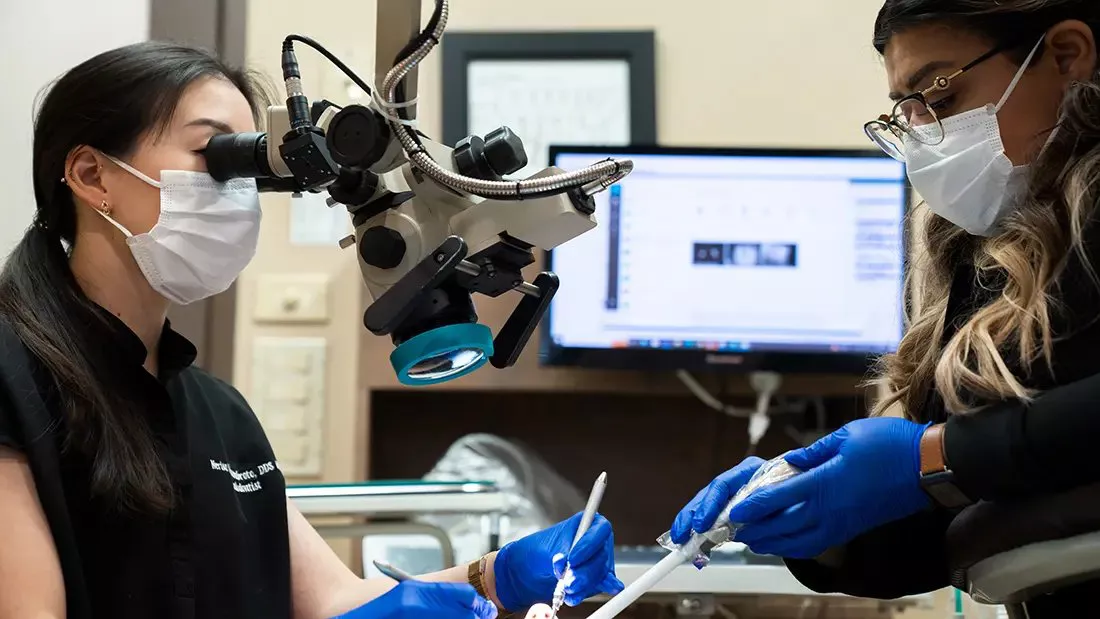
Modern apicoectomy treatment is frequently performed using microsurgical endodontic techniques. Endodontic microsurgery combines specialized instruments, powerful magnification, advanced imaging, and precise surgical techniques to access very small structures around a tooth’s roots.
High-powered magnification can give an endodontist a detailed view of the root surface and treatment area. This can be especially important when identifying tiny anatomical variations, fractures, accessory canals, or other potential causes of persistent disease.
Advanced three-dimensional imaging can also assist with planning. At Foundation Dental Specialists, CBCT technology can provide detailed views of the tooth roots, jawbone, infection, and nearby structures from multiple angles. This information can help specialists evaluate complicated root anatomy and determine an appropriate treatment approach.
The ability to work with this level of precision is one reason endodontic microsurgery can provide an additional tooth-preserving option when conventional treatment alone has not resolved a problem.
Apicoectomy vs Root Canal Treatment: Which One Can Save a Natural Tooth?
Both procedures share an important goal: treating disease while helping preserve the natural tooth.
Root canal treatment can prevent an infected or inflamed tooth from requiring extraction by removing diseased pulp and sealing the root canal system. The American Association of Endodontists states that with proper care, many teeth treated with root canal therapy can remain functional for many years and potentially for a lifetime.
An apicoectomy provides an additional opportunity to save a tooth when infection persists around its root end despite previous treatment. By removing the affected tissue and sealing the root at its tip, an endodontist can address a problem that may not be reachable through a traditional root canal approach.
For this reason, the question of root canal treatment vs apicoectomy is less about determining which treatment is universally better and more about identifying where the infection is located, what previous treatment has been performed, and which approach can most effectively address the specific problem.
Advanced Root Canal Treatment and Apicoectomy Care at Foundation Dental Specialists in Pasadena
At Foundation Dental Specialists in Pasadena, our periodontists and endodontists are committed to providing customized specialty dental care based on scientific evidence, clinical judgment, professional experience, advanced technology, and individual patient preferences. Our team provides both root canal therapy and dental apicoectomy treatment to help address infections while prioritizing the preservation of natural teeth whenever appropriate.
For patients with complex or persistent endodontic problems, our team also uses advanced technologies and microsurgical techniques to carefully evaluate areas that may be difficult to see or reach using conventional methods. CBCT three-dimensional imaging and microscopic visualization can provide detailed information about root anatomy and surrounding structures, helping our specialists develop a personalized treatment plan.
Whether a patient needs an initial root canal or is experiencing recurring symptoms after previous treatment, our goal is to clearly identify the source of the problem and recommend an appropriate course of care.

Contact Foundation Dental Specialists for Endodontic Treatment in Pasadena
When it comes to apicoectomy vs root canal treatment, the right procedure depends on where the infection is located, whether the tooth has previously undergone endodontic treatment, and the individual anatomy and condition of the affected tooth. Root canal therapy typically treats infection from inside the tooth, while an apicoectomy can address persistent disease directly around the root tip.
If you have ongoing tooth pain, swelling, a persistent infection, or symptoms that have returned after a previous root canal, a specialist can help determine your next step. Contact Foundation Dental Specialists today to learn more about root canal therapy, dental apicoectomy treatment, or endodontic microsurgery and schedule an appointment with our experienced team.