Expert Care for Your Oral Health at Foundation Dental Specialists

Dental Apicoectomy Procedure in Pasadena, CA

Persistent infection near the tip of a tooth’s root can cause pain, swelling, and complications even after root canal treatment. An apicoectomy is a specialized procedure designed to remove infected tissue and preserve a natural tooth when conventional treatment has not fully resolved the problem. At Foundation Dental Specialists, our experienced team provides personalized dental apicoectomy care using evidence-based techniques and advanced diagnostic technology. Patients seeking an apicoectomy in Pasadena can expect attentive care, clear communication, and a customized treatment plan focused on restoring long-term oral health.

Appointments

At Foundation Dental Specialists, we understand that losing a tooth can have significant consequences for your oral health.

What Is a Dental Apicoectomy?

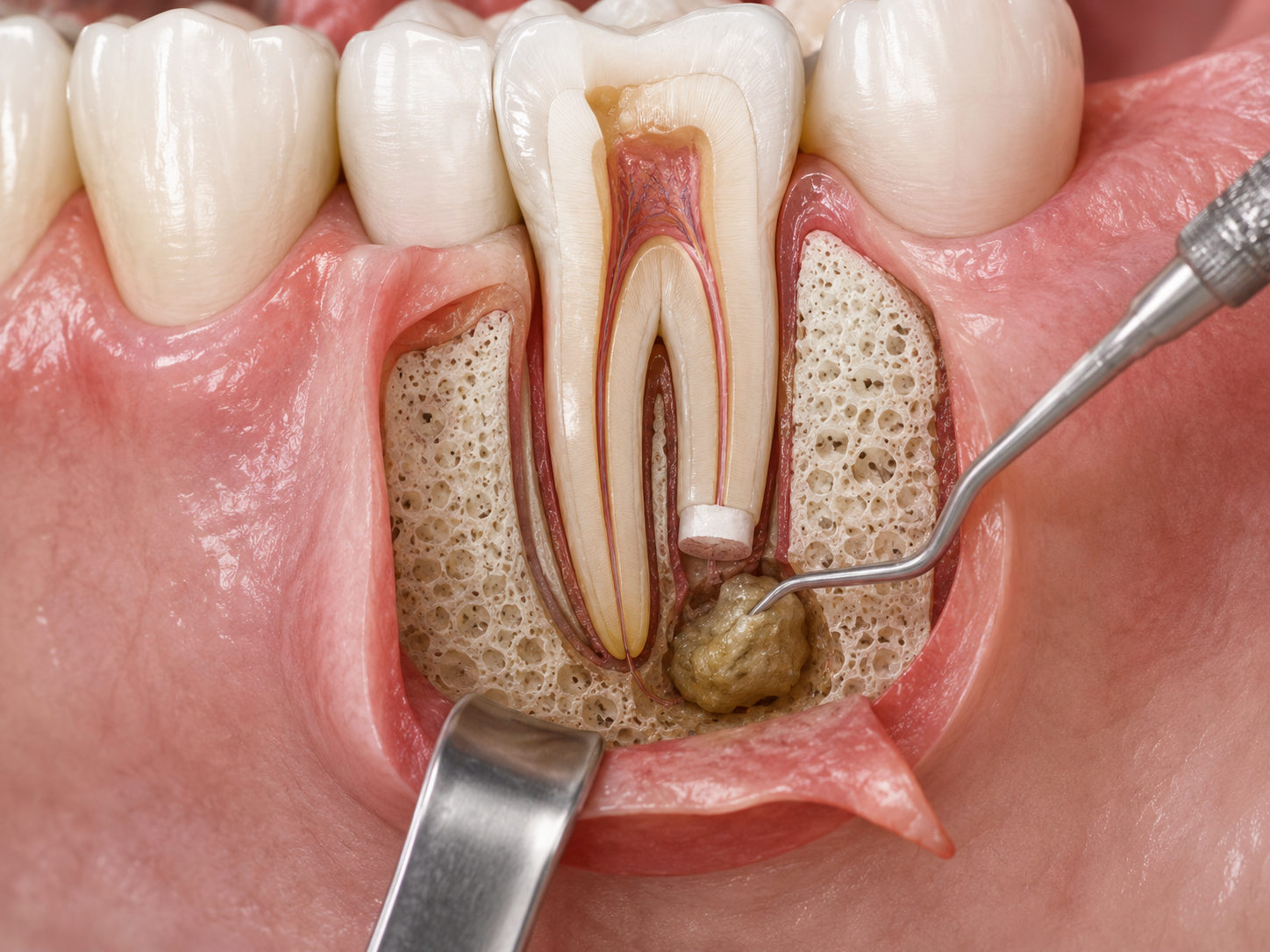
A dental apicoectomy, sometimes referred to as root-end surgery, is an endodontic procedure that treats infection or inflammation around the tip of a tooth’s root. During the procedure, an endodontist accesses the affected area through the gum tissue, removes the infected tissue and a small portion of the root tip, and seals the end of the root to help prevent bacteria from re-entering the tooth.

This treatment is generally considered when a previous root canal has not completely eliminated an infection or when retreating the entire root canal system may not be the most appropriate option. By addressing the problem directly at the root tip, an apicoectomy may help preserve the natural tooth and reduce the need for extraction.

Dental apicoectomy procedure

Who May Be a Candidate for an Apicoectomy?

An apicoectomy may be recommended when infection, inflammation, or structural complications remain near the root of a previously treated tooth. Before recommending treatment, our specialists carefully evaluate your symptoms, dental history, existing restorations, root anatomy, and diagnostic images.

Dental problems that may lead to a recommendation for an apicoectomy include:

  • Persistent infection after root canal treatment
  • Recurring pain or swelling
  • Complex or narrow root canals
  • A damaged root surface
  • A cyst or lesion near the root
  • A tooth with a crown or extensive restoration
  • A blocked root canal


Not every tooth with lingering symptoms requires surgery. Our team will determine whether a dental apicoectomy, nonsurgical root canal retreatment, extraction, or another treatment approach is best suited to your needs.

Flexible Payment Options
Keeping Care Accessible

Everyone deserves to love their smile. That’s why we make it easy to pay for your treatment in a way that fits your budget and lifestyle.

The Dental Apicoectomy Process

The apicoectomy process is carefully planned to target the source of infection while protecting the surrounding tooth, bone, and gum tissue. Although each treatment plan is personalized, the procedure generally includes the following steps.

Consultation and Diagnostic Evaluation
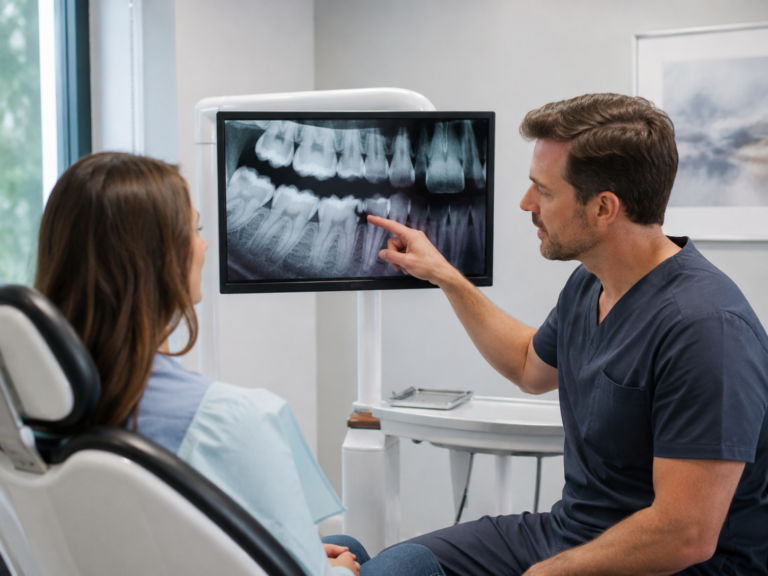
Your specialist will review your dental and medical history, discuss your symptoms, and examine the affected tooth and surrounding tissues. Digital imaging may be used to evaluate the root structure, bone, infection, and nearby anatomical features before treatment is recommended.

Image description
Local Anesthesia and Treatment Preparation
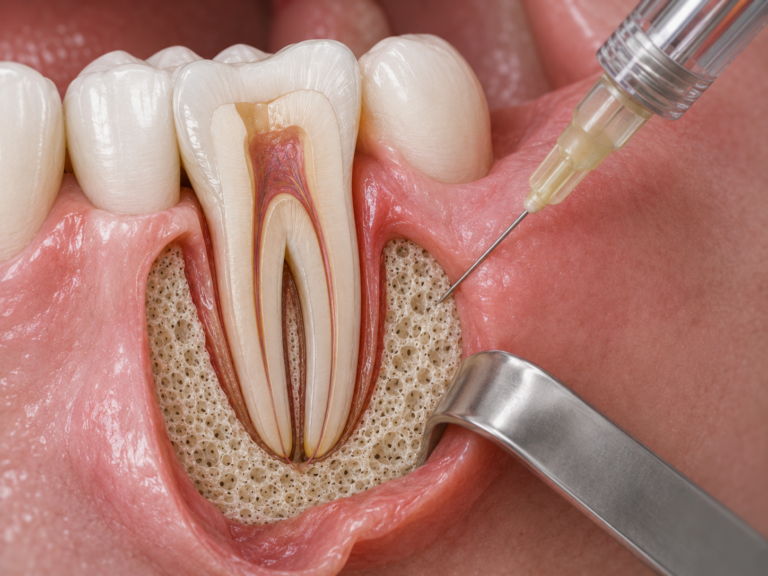
The treatment area is numbed with local anesthesia to help keep you comfortable throughout the procedure. The surrounding area is then carefully prepared so the specialist can access the root tip with precision.
Image description
Accessing the Root Tip
A small opening is made in the gum tissue near the affected tooth. The tissue is gently moved aside so the specialist can reach the root tip and the infected or inflamed area in the surrounding bone.
Image description
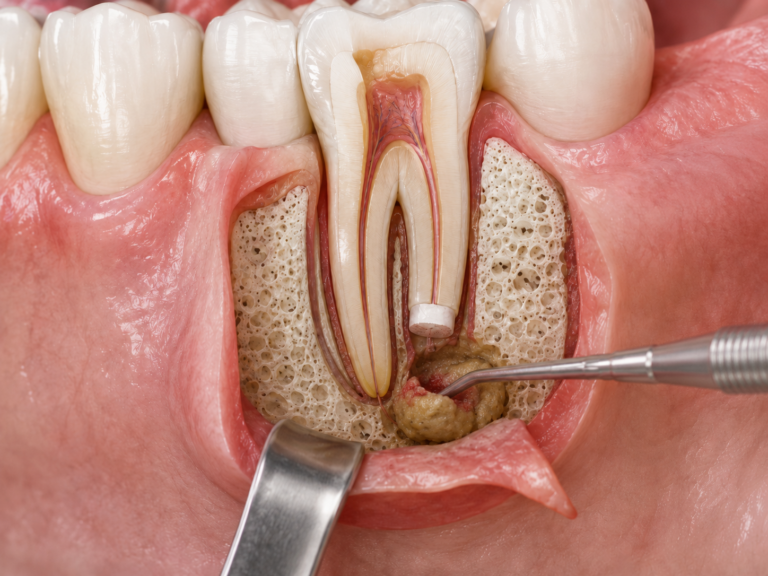
Removing Infected Tissue
The specialist removes damaged tissue, infection, and any lesion located around the end of the root. The area may also be examined for cracks, unusual anatomy, or other factors that could have contributed to the continuing problem.
Image description
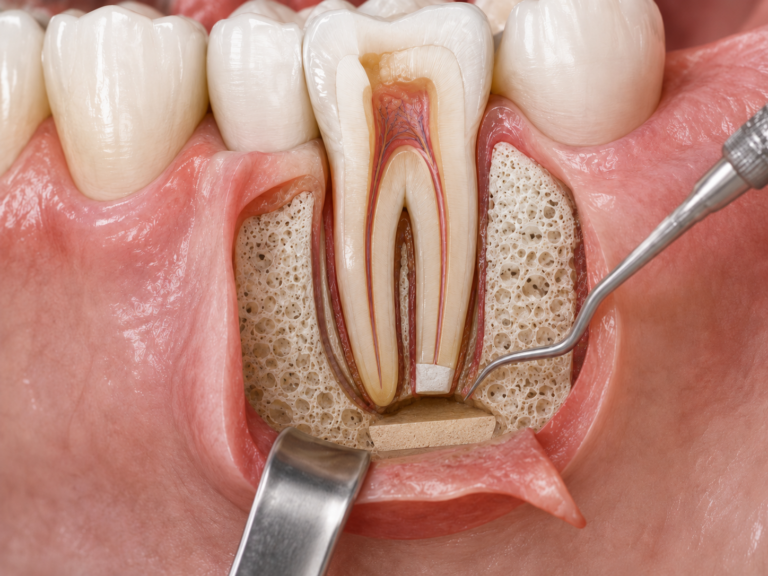
Resecting and Sealing the Root End
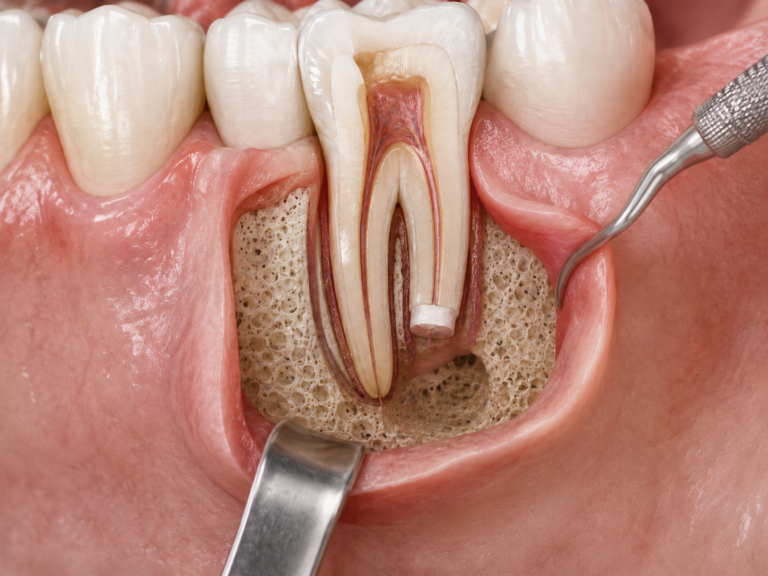
A small portion of the root tip is removed to eliminate areas that may be harboring bacteria. The end of the root canal is then cleaned, prepared, and sealed with a biocompatible material to reduce the risk of reinfection.
Image description
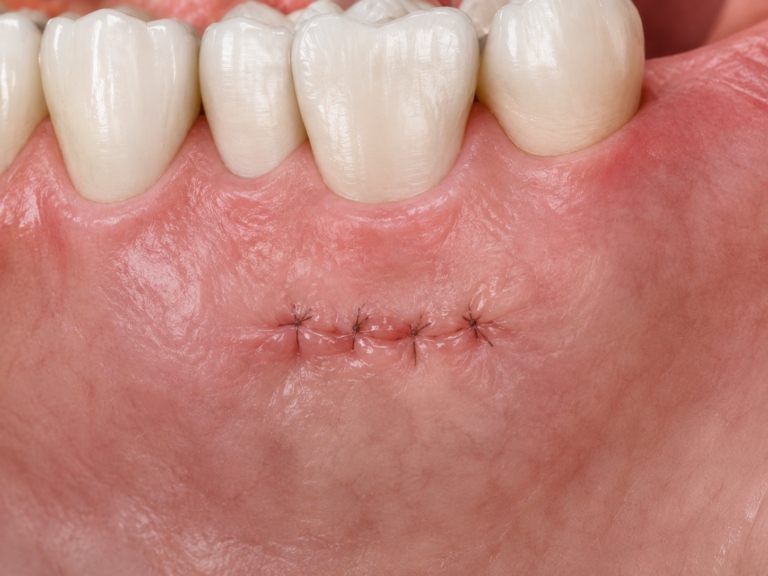
Closing the Treatment Area
Once the root end has been sealed and the surgical site has been cleaned, the gum tissue is repositioned and secured with small sutures. The bone around the root can then begin healing over time.
Image description
Recovery and Follow-Up Care
You will receive instructions for caring for the area, managing temporary discomfort, and protecting the surgical site as it heals. A follow-up appointment may be scheduled to remove sutures, evaluate healing, and monitor the tooth’s response to treatment.
Image description

The Benefits Of An Apicoectomy

When appropriately recommended, an apicoectomy can address the source of a persistent problem without removing the entire tooth. The procedure may provide several important benefits for your comfort, function, and long-term oral health.

1
Saving Your Natural Tooth
An apicoectomy may allow a tooth to remain in place when infection persists after root canal therapy. Preserving the natural tooth can help maintain normal chewing function, support nearby teeth, and reduce the need for tooth replacement.
2
Stopping Ongoing Infection
By removing infected tissue and sealing the end of the root, the procedure directly addresses bacteria around the root tip. Controlling the infection helps protect the surrounding bone and reduces the risk of the problem continuing to spread.
3
Relieving Dental Pain
Persistent inflammation or infection near a tooth root can cause tenderness, pressure, discomfort while chewing, or recurring swelling. Treating the affected root tip may eliminate the underlying source of these symptoms and support a more comfortable recovery.

Advanced CBCT 3D X-Rays for More Precise Treatment Planning

At Foundation Dental Specialists, we use advanced technology to support accurate diagnoses and carefully planned treatment. Cone beam computed tomography, commonly called CBCT, produces detailed three-dimensional images of the teeth, roots, jawbone, and surrounding structures. 

Unlike a traditional two-dimensional dental X-ray, CBCT imaging allows our specialists to examine the treatment area from multiple angles. This additional detail can help us identify complex root anatomy, evaluate the size and location of an infection, assess nearby bone, and plan the safest and most precise approach to treatment. CBCT scans are recommended when the diagnostic benefits are appropriate for the patient’s individual condition.

Our use of advanced imaging is part of a broader commitment to creating healthier smiles through customized care. By combining modern technology with scientific evidence, clinical experience, and patient preferences, our periodontists and endodontists can develop oral health solutions tailored to each patient’s needs.

Serving Pasadena and the Greater San Gabriel Valley

Foundation Dental Specialists proudly provides advanced periodontal and endodontic care for patients throughout Pasadena, Altadena, Eagle Rock, Glendale, and the greater San Gabriel Valley. Whether you have been referred by your general dentist or are seeking an evaluation for persistent tooth pain or infection, our team is available to help you understand your condition and treatment options.

Contact Us Today to Schedule an Appointment

Ongoing pain or infection after a root canal should not be ignored. An apicoectomy may provide an effective way to treat the source of the problem, protect the surrounding tissues, and preserve your natural tooth. At Foundation Dental Specialists, our mission is to provide the highest caliber of periodontal and endodontic care while delivering an exceptional patient experience. 

Contact us today to schedule an appointment, request an evaluation, or learn more about our dental services and personalized treatment options.

Schedule Today!

Woman using smartphone while relaxing on sofa at home

Frequently Asked Questions

Why would I need a dental apicoectomy after a root canal?

A dental apicoectomy may be recommended when infection or inflammation remains near the root tip after root canal treatment. It can also be used when complex root anatomy, calcification, a dental post, or another obstruction makes conventional retreatment difficult.

Local anesthesia is used to numb the treatment area, so patients should not feel pain during the procedure. Mild soreness, swelling, or tenderness may occur afterward and can often be managed with medication and post-treatment care.

The length of the procedure depends on the tooth’s location, root anatomy, and extent of infection. Many apicoectomy procedures can be completed in approximately 30 to 90 minutes.

Foundation Dental Specialists provides specialized evaluations and apicoectomy treatment for patients in Pasadena, Altadena, Eagle Rock, Glendale, and the greater San Gabriel Valley. Contact the office to schedule an appointment and learn whether a dental apicoectomy may be appropriate for your tooth.

Get In Touch

Request An Appointment

**Requested time is not final until you receive confirmation from our office.