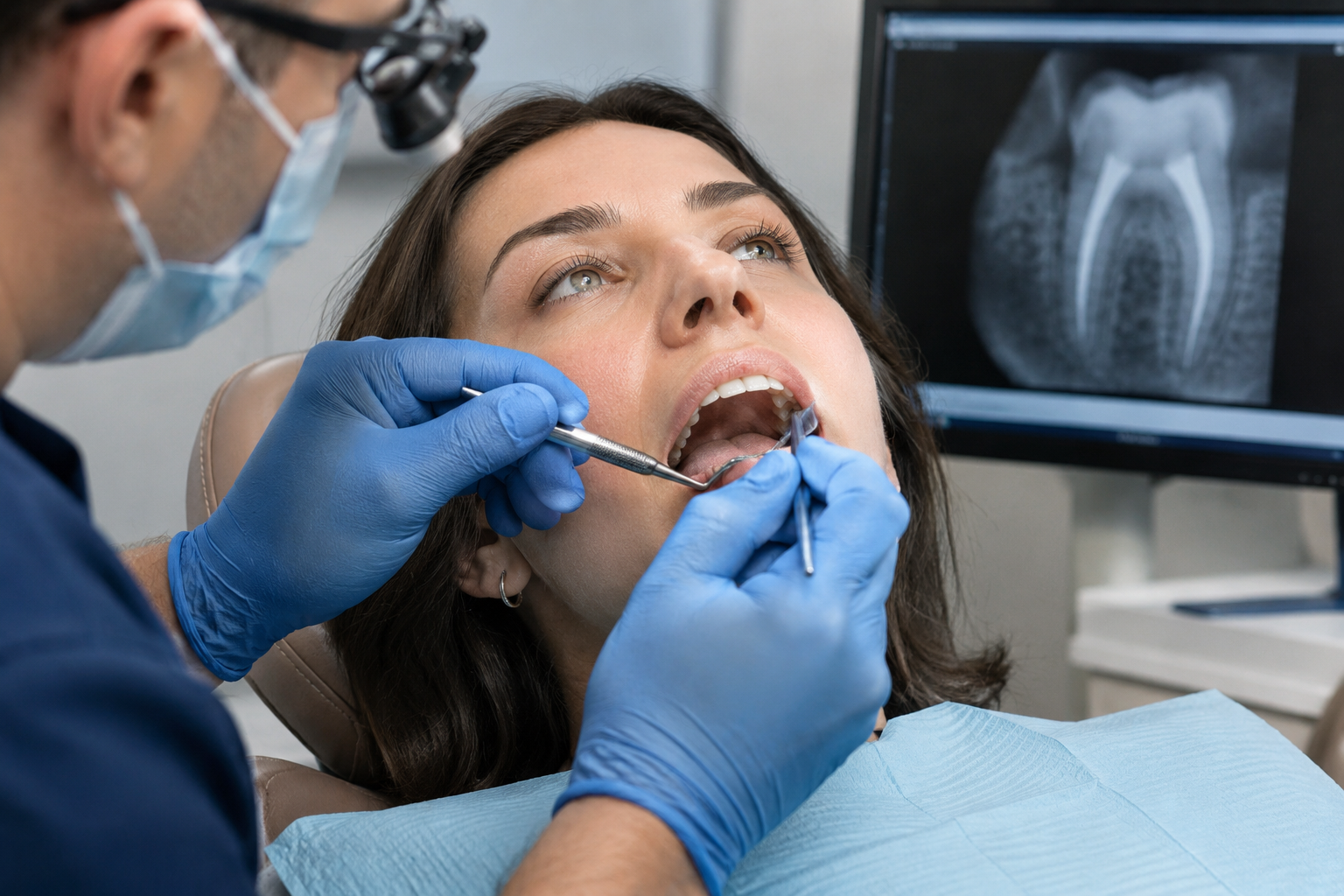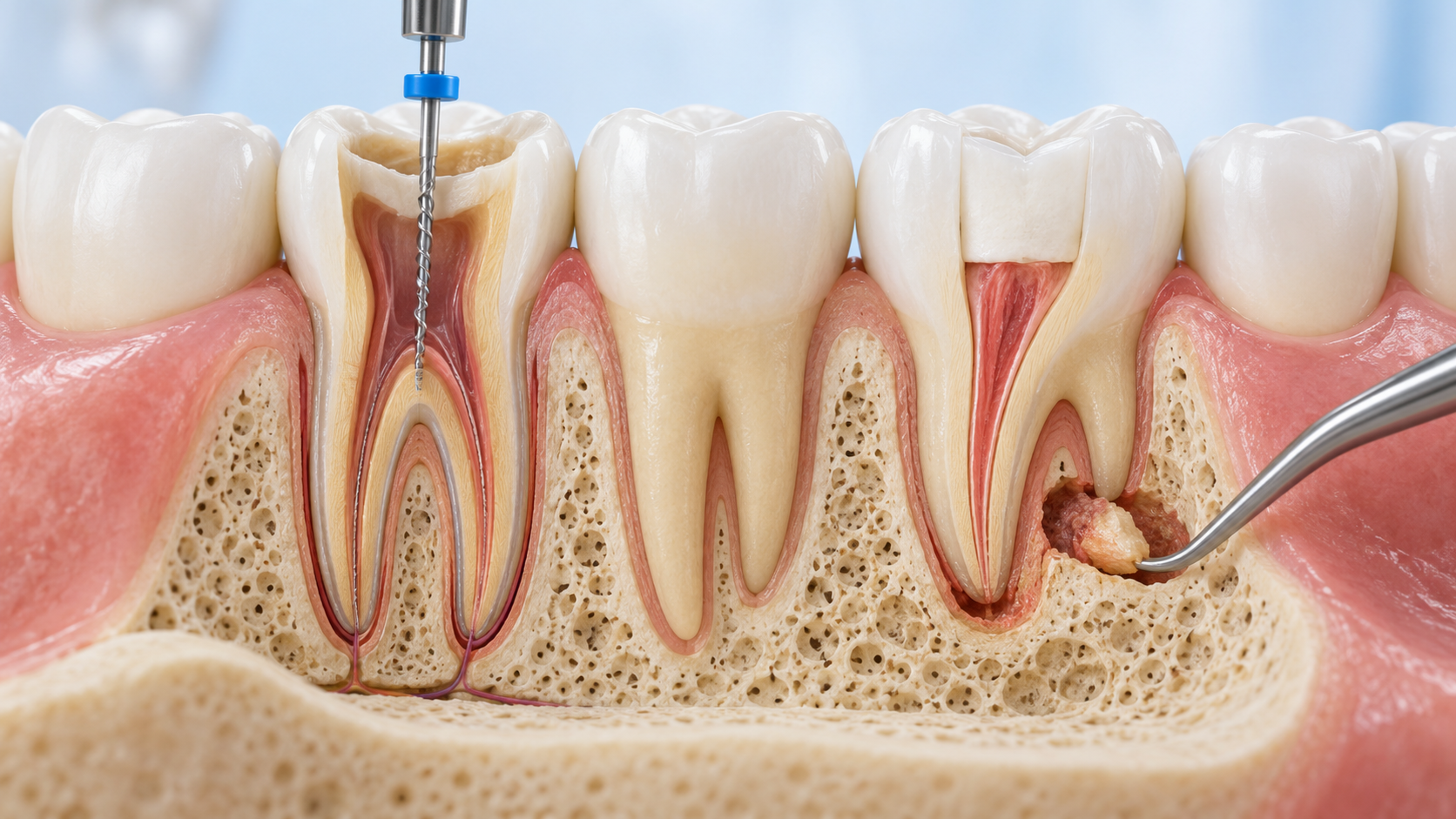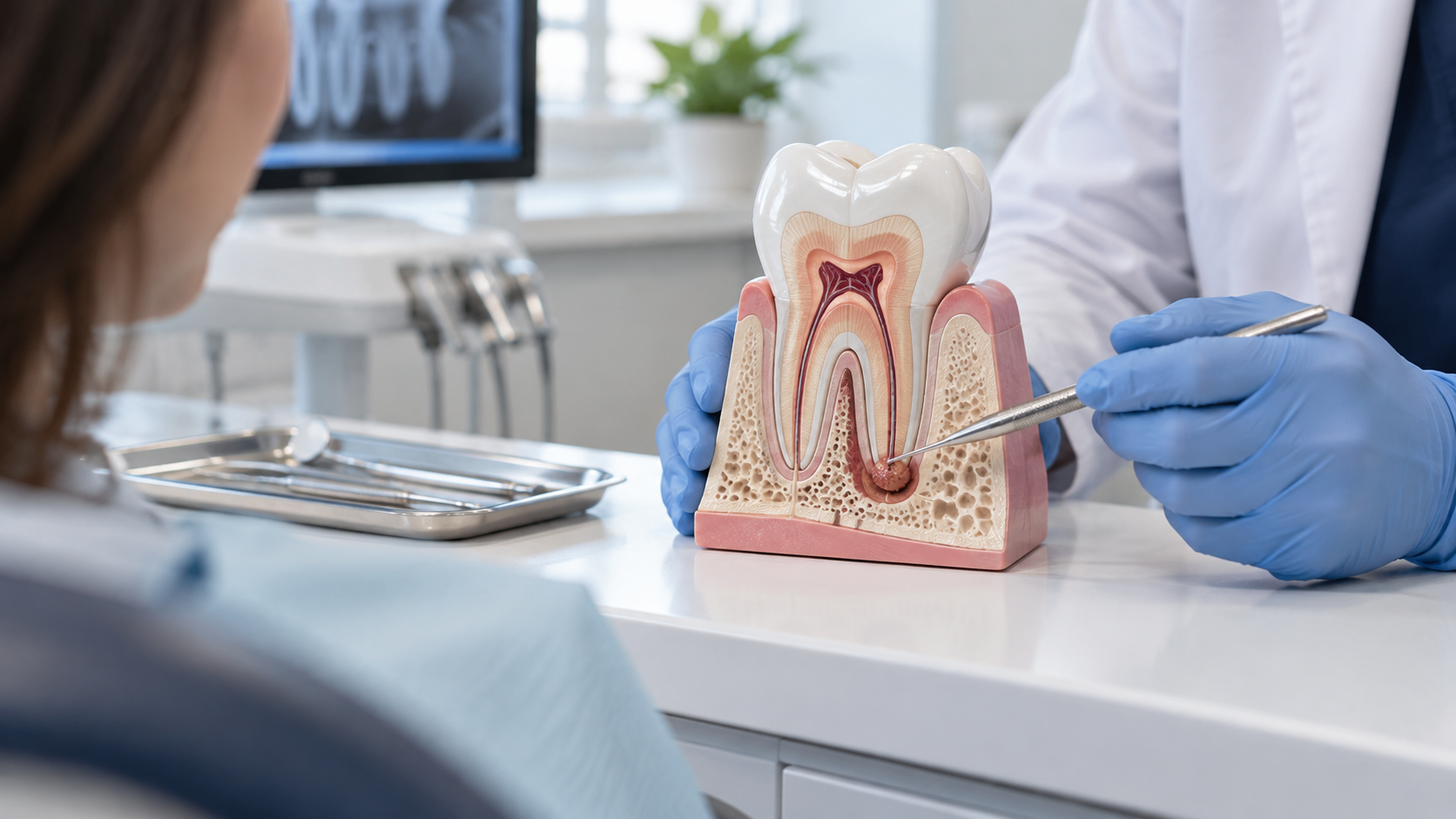
A failed root canal can be frustrating, especially when pain or discomfort returns to a tooth that has already undergone treatment. Although root canal therapy is generally successful, complications can occasionally develop when bacteria remain inside the tooth or enter through a damaged restoration. A reinfected root canal may cause persistent pain, gum swelling, or other symptoms that indicate the tooth needs additional attention. Fortunately, modern endodontic treatments can often address the reinfection of root canal systems and preserve your natural tooth without requiring extraction.
Understanding why root canals become reinfected, recognizing the warning signs, and exploring your treatment options can help you take action before the problem worsens.
What Does a Reinfected Root Canal Look Like?
A reinfected root canal occurs when bacteria persist or reenter a tooth that has previously received root canal treatment, resulting in infection or inflammation around the tooth’s roots. During the original procedure, a dentist or endodontist removes infected pulp tissue, cleans and disinfects the root canals, and seals the interior to prevent bacteria from returning.
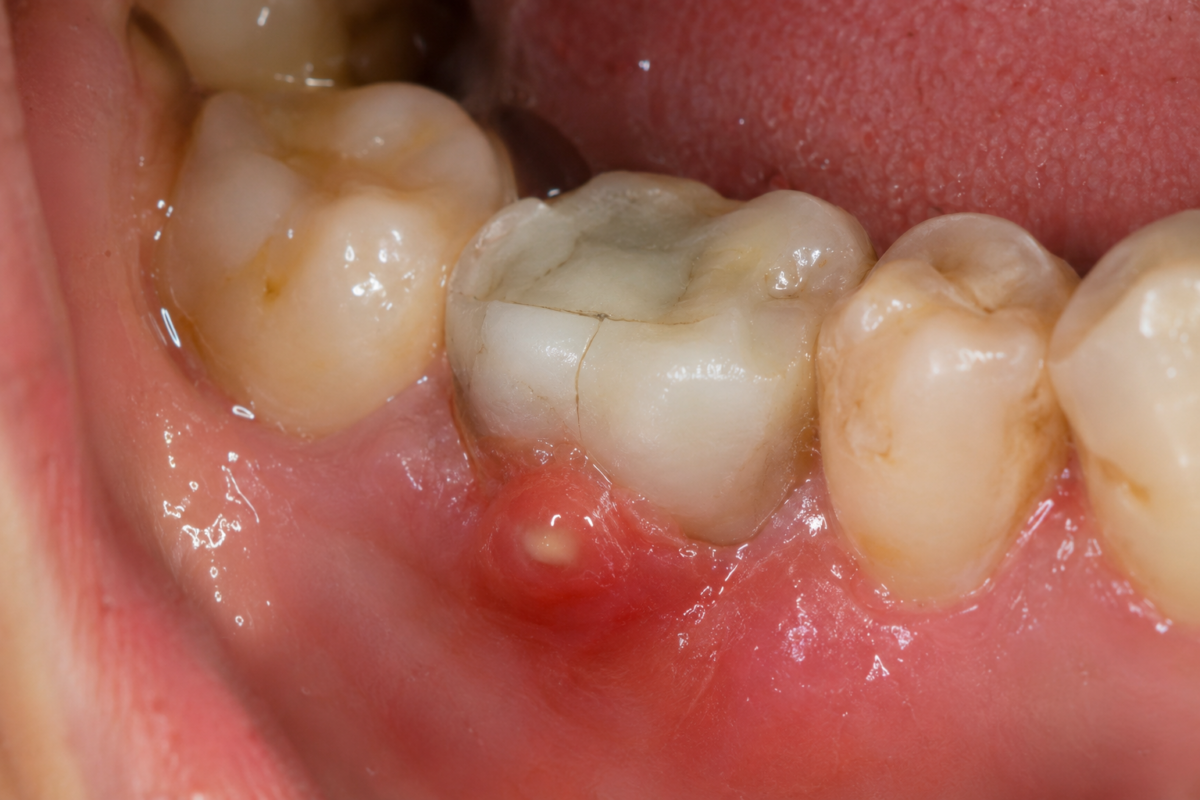
However, certain complications can interfere with the healing process or allow a new infection to develop. When this happens, inflammation or infection may develop around the root tip, sometimes causing an abscess or damage to the surrounding bone.
A failed root canal does not necessarily mean the original procedure was performed incorrectly. Some teeth have particularly complex root structures, while others develop new problems months or even years after successful treatment. In many cases, additional endodontic care can resolve the underlying issue and help save the tooth.
What Causes Reinfection of a Root Canal?
Several factors can contribute to the reinfection of root canal systems. Identifying the underlying cause is important because it helps determine whether the tooth can be treated again or requires a more specialized procedure.
1. Bacteria Left Behind During the Original Treatment
Root canals contain intricate networks of small passages that can be difficult to access and thoroughly clean. If bacteria remain inside untreated areas, an infection may persist despite the initial procedure. Over time, these microorganisms can multiply and cause inflammation around the root tip.
2. Missed or Unusually Shaped Root Canals
Some teeth have additional canals, narrow passageways, or curved roots that are difficult to identify during conventional treatment. If a canal goes undetected, bacteria and infected tissue may remain inside the tooth. Advanced imaging and magnification can help endodontists identify anatomical features that contribute to persistent infections.
3. Cracked or Damaged Dental Crowns
Dental crowns and fillings protect treated teeth by creating a barrier against bacteria. When a restoration becomes loose, cracked, or damaged, saliva and microorganisms may enter the tooth’s interior. This contamination can compromise the original root canal filling and cause a new infection.
4. New Tooth Decay Around the Restoration
Even after root canal treatment, the remaining natural tooth structure can develop cavities. Decay around the edges of a crown or filling may create openings through which bacteria can reach the previously treated canals. Without prompt treatment, the infection may spread toward the root and surrounding tissues.
5. Cracks or Fractures in the Tooth
A crack in the tooth or root can provide a pathway for bacteria to enter areas that were previously sealed. Depending on the location and severity of the fracture, the tooth may experience recurring infections or inflammation. Some cracks can be treated, while extensive vertical root fractures may make preservation impossible.
6. Delayed or Inadequate Final Restoration
After root canal therapy, the tooth often requires a permanent filling or crown to protect it from contamination and structural damage. Delaying this restoration may expose the tooth to bacteria or increase the likelihood of fracture. A properly fitted final restoration is essential for maintaining the long-term success of treatment.
Common Signs and Symptoms of a Reinfected Root Canal
Recognizing the symptoms of a reinfected root canal can help you seek professional treatment before the infection progresses. Although some warning signs are noticeable, others may be subtle or appear gradually.
Persistent or Recurring Tooth Pain
Pain that returns after a previously treated tooth has healed may indicate an underlying problem. The discomfort can range from a dull, persistent ache to sharper pain that occurs when pressure is applied. While some soreness is normal immediately after root canal treatment, recurring or worsening pain should be evaluated.
Swelling or Tenderness Around the Gums
Inflammation around the affected tooth may cause the surrounding gums to appear red, swollen, or sensitive. In some cases, swelling may extend into nearby facial tissues. These symptoms can indicate that an infection is affecting the tissues surrounding the tooth’s roots.
Pain When Biting or Chewing
A reinfected tooth may become uncomfortable when biting down or chewing food. This sensitivity can occur when inflammation develops around the root tip and affects the ligament supporting the tooth. Pain during normal chewing activities is a common reason to seek an endodontic evaluation.
A Pimple-Like Bump on the Gums
One possible sign of infection is a small, recurring bump on the gums near the affected tooth. Known as a sinus tract or drainage opening, this bump may release fluid or pus from an infection near the root. Although drainage sometimes temporarily relieves pressure and discomfort, the underlying infection still requires treatment.
Persistent Bad Taste or Drainage
An unpleasant taste in the mouth may develop when infected material drains through the gums. Some patients also notice persistent bad breath associated with the affected area. These symptoms do not automatically indicate root canal failure, but they should be evaluated when they occur near a previously treated tooth.
Tooth Discoloration or Changes in Appearance
A tooth that has undergone root canal treatment may darken over time for several reasons, not all of which involve infection. However, new discoloration accompanied by pain, swelling, or other symptoms may warrant further investigation. A dental examination can help determine whether the change is cosmetic or associated with an underlying complication.
No Noticeable Symptoms
Not every reinfected root canal produces obvious pain or discomfort. In some cases, an infection develops gradually and is discovered during a routine dental examination or through X-rays showing changes around the root tip. This is one reason regular dental checkups remain important even after successful root canal treatment.
How Is a Reinfected Root Canal Diagnosed?
If you suspect reinfection of a root canal, an endodontist can perform a comprehensive evaluation to determine the cause and severity of the problem. Diagnosis generally involves reviewing your previous dental treatment, assessing your symptoms, and examining the affected tooth and surrounding tissues.
Common diagnostic methods include:
- Clinical examination: Inspecting the tooth, existing crown or filling, and surrounding gums for signs of damage, swelling, or infection.
- Biting and percussion tests: Checking whether pressure or gentle tapping produces discomfort that may indicate inflammation around the root.
- Dental X-rays: Identifying potential infection-related changes around the root tip and evaluating the condition of previous root canal fillings.
- Cone-beam computed tomography (CBCT): Using three-dimensional imaging when appropriate to identify complex root anatomy, suspected fractures, or infections that are difficult to evaluate with conventional X-rays.
- Periodontal examination: Measuring gum pockets and assessing the supporting tissues to help distinguish root canal complications from periodontal disease.
Because several dental conditions can cause similar symptoms, a professional diagnosis is essential before proceeding with treatment.
Treatment Options for a Reinfected Root Canal
A reinfected root canal does not automatically mean the tooth needs to be extracted. Depending on the cause of the infection, the condition of the tooth, and the surrounding bone, several treatment options may help eliminate bacteria and preserve the natural tooth.

1. Nonsurgical Root Canal Retreatment
Nonsurgical retreatment is often considered when the original root canal filling can be accessed and the infection can be addressed from inside the tooth. During this procedure, an endodontist reopens the tooth, removes the existing root canal filling material, and carefully examines the internal canal structure.
The canals are then cleaned, disinfected, and resealed to help prevent future bacterial contamination. Afterward, the tooth typically requires a permanent restoration to restore its strength and protect it from additional damage. This approach can be effective when reinfection results from missed canals, inadequate sealing, or bacterial contamination.
2. Endodontic Microsurgery
When conventional root canal retreatment cannot adequately address the problem, endodontic microsurgery may offer another way to save the tooth. This advanced approach uses specialized instruments, powerful magnification, and precise surgical techniques to identify and treat difficult-to-reach areas around the roots.
Endodontic microsurgery may be recommended when complex canal anatomy, blocked passages, or persistent infection makes traditional retreatment difficult. By directly accessing the affected areas, an endodontist may be able to eliminate the source of infection while preserving much of the natural tooth structure.
3. Dental Apicoectomy (Root-End Surgery)
A dental apicoectomy is a specialized endodontic microsurgical procedure designed to treat persistent infection near the tip of a tooth’s root. Unlike conventional root canal therapy, which accesses the infection through the crown of the tooth, an apicoectomy approaches the affected area through the surrounding gum tissue and bone.
During the procedure, the endodontist typically:
- Administers local anesthesia and makes a small incision in the gum tissue to access the affected root.
- Removes inflamed or infected tissue surrounding the root tip.
- Removes a small portion of the root’s end to eliminate the affected area.
- Cleans and seals the root-end canal to help prevent future bacterial contamination.
- Repositions and sutures the gum tissue to support healing.
An apicoectomy may be particularly beneficial when an infection persists around the root tip, accessory canals cannot be accessed through conventional treatment, or previous retreatment has been unsuccessful. It can help preserve teeth that might otherwise require extraction, although suitability depends on the tooth’s condition.
4. Tooth Extraction and Replacement
In certain cases, a reinfected tooth may be too severely damaged to preserve. Extensive fractures, insufficient remaining tooth structure, or severe periodontal damage can make additional endodontic treatment impractical.
When extraction becomes necessary, replacement options may include dental implants, bridges, or removable prosthetics. However, preserving the natural tooth is generally preferable whenever it has a reasonable long-term prognosis. An endodontist can help determine whether retreatment or microsurgery is a viable alternative before extraction is considered.
What Happens if a Reinfected Root Canal Is Left Untreated?
Ignoring a reinfected root canal can allow bacteria to continue affecting the surrounding tissues. Even when discomfort temporarily improves, the underlying infection may remain active and cause further complications.
Potential consequences of untreated root canal reinfection include:
- Dental abscess formation: Infection may create a pocket of pus near the root tip, resulting in pain, swelling, or drainage.
- Bone loss around the root: Persistent inflammation can damage the jawbone supporting the affected tooth.
- Recurring pain and swelling: Symptoms may become more frequent or severe as the underlying condition progresses.
- Spread of infection: In some cases, an untreated dental infection can extend into nearby facial or jaw tissues.
- Eventual tooth loss: Progressive damage may reduce the chances of saving the tooth through additional treatment.
If you experience recurring pain, gum swelling, or drainage near a previously treated tooth, schedule a dental evaluation promptly. Facial swelling accompanied by fever, difficulty swallowing, or difficulty breathing requires urgent medical attention.
How to Prevent Reinfection After Root Canal Treatment
Although not every root canal complication is preventable, proper oral hygiene and ongoing dental care can significantly reduce the risk of reinfection. Protecting the treated tooth from new decay, fractures, and bacterial contamination is essential for maintaining its long-term health.
Consider these preventive measures:
- Maintain consistent oral hygiene: Brush twice daily with fluoride toothpaste and floss regularly to reduce plaque accumulation and prevent new cavities.
- Complete your permanent restoration promptly: Have the recommended crown or filling placed within the timeframe advised by your dentist.
- Protect the tooth from excessive pressure: Avoid chewing extremely hard objects, and consider a custom nightguard if you grind your teeth.
- Attend regular dental examinations: Routine checkups help identify restoration damage, new decay, and other potential problems before they become more serious.
- Address damaged crowns or fillings quickly: A loose or cracked restoration may allow bacteria to enter the previously treated tooth.
- Follow your endodontist’s instructions: Attend recommended follow-up appointments so healing can be monitored and any complications addressed.
With proper care and monitoring, many root canal-treated teeth can continue functioning successfully for years or even a lifetime.
Specialized Endodontic Treatment at Foundation Dental Specialists in Pasadena
At Foundation Dental Specialists, our team of experienced periodontists and endodontists is dedicated to helping patients throughout Pasadena and surrounding communities achieve healthier, longer-lasting smiles. We combine strong scientific evidence, clinical expertise, advanced technology, and individual patient preferences to develop customized treatment plans. Whether you are experiencing persistent discomfort after a root canal or have been told that your tooth may require extraction, our specialists can evaluate your condition and explore treatment options focused on preserving your natural teeth.
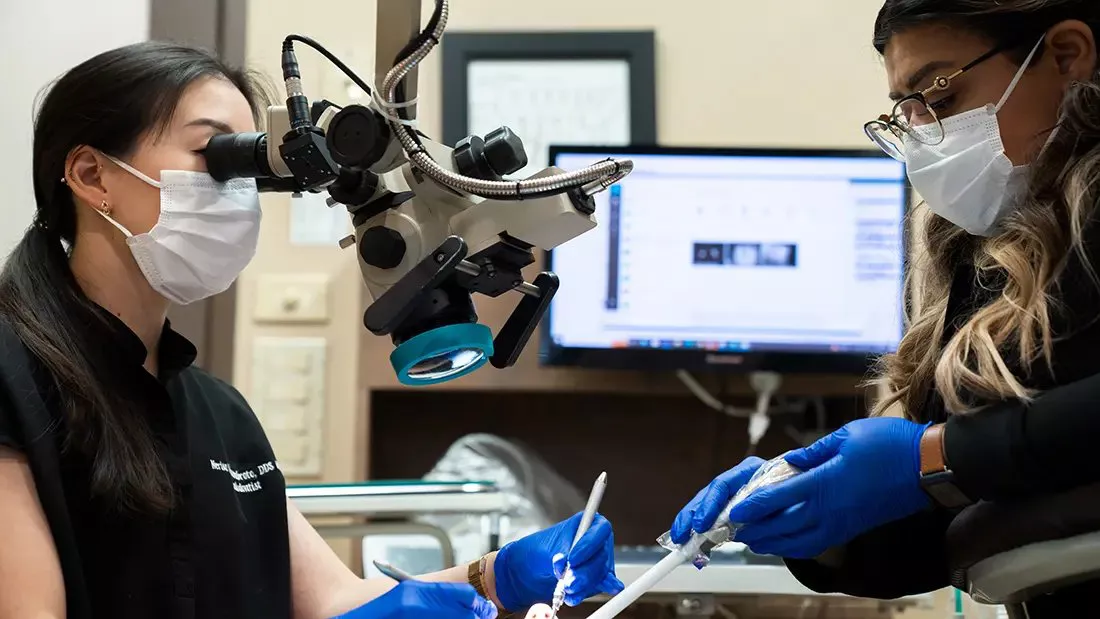
We offer advanced endodontic microsurgery and dental apicoectomy procedures for patients experiencing persistent infections or complications following conventional root canal treatment. Our approach uses advanced diagnostic technology, specialized instruments, and high-powered magnification to treat difficult-to-reach areas with exceptional precision. For patients considering an apicoectomy in Pasadena, our team provides personalized evaluations, clear treatment recommendations, and attentive care designed to eliminate infection when possible and support long-term oral health.
Suspect a Reinfected Root Canal? Contact Foundation Dental Specialists in Pasadena
A reinfected root canal can develop when bacteria remain inside a treated tooth, enter through a damaged restoration, or affect areas that were difficult to access during the original procedure. Recognizing symptoms such as recurring pain, swollen gums, or discomfort when chewing can help you seek treatment before further complications develop. Fortunately, options such as root canal retreatment and dental apicoectomy can often address persistent infections while preserving your natural tooth.
If you are experiencing symptoms of a failed or reinfected root canal, our team at Foundation Dental Specialists in Pasadena is here to help. We specialize in advanced endodontic care, including microsurgical procedures designed to treat persistent infections and save natural teeth whenever possible. Contact Foundation Dental Specialists today to learn more about our dental apicoectomy services or schedule an appointment with our experienced specialists.