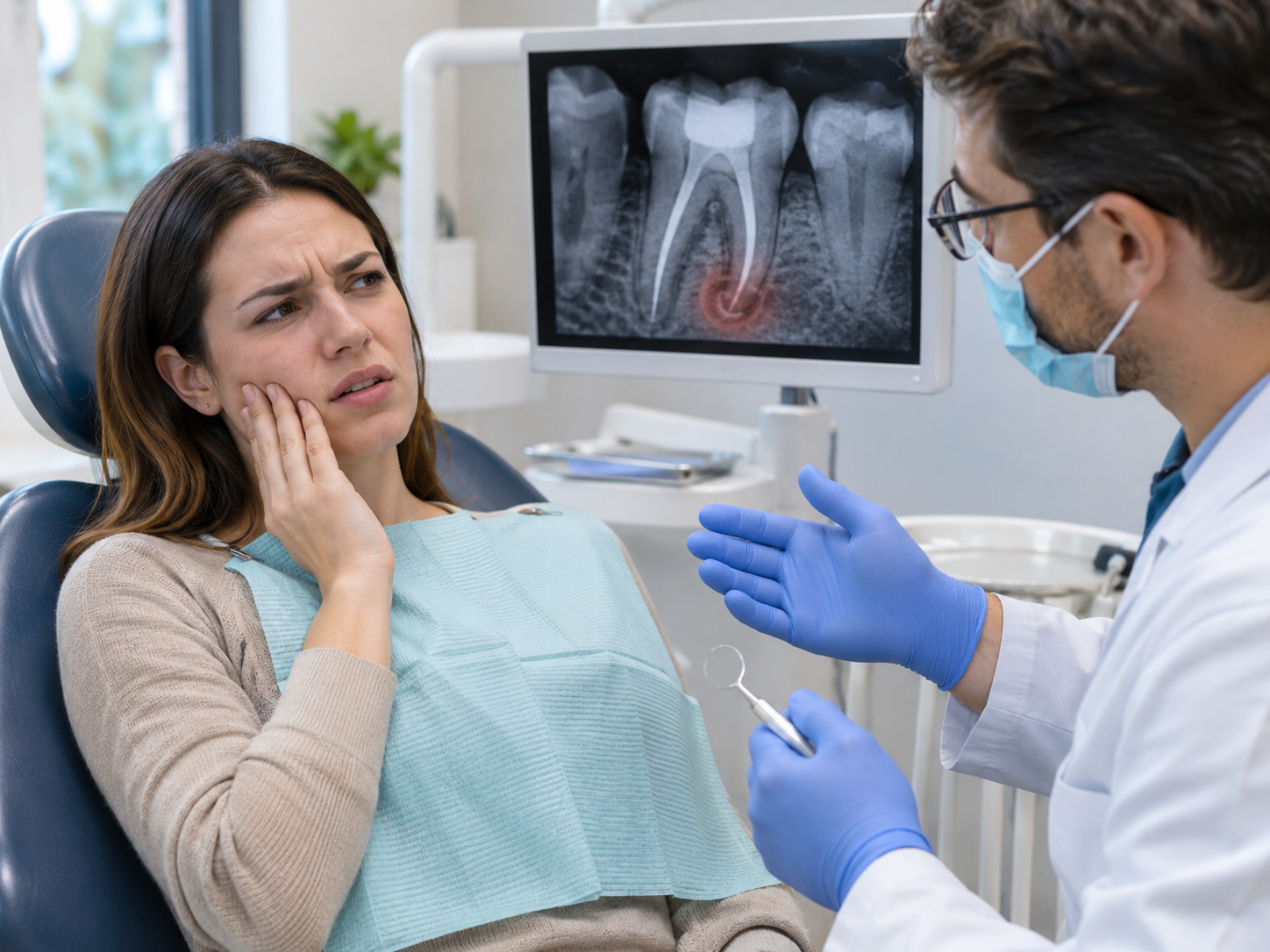
Root canal treatment is designed to eliminate infection from inside a tooth, relieve discomfort, and preserve its natural structure. However, in some cases, bacteria can remain or reenter the tooth, causing an abscess to develop even after the procedure has been completed. While discovering an abscess after root canal treatment can be concerning, it does not necessarily mean the tooth needs to be extracted. Advanced endodontic treatments can often address persistent infections and provide another opportunity to save the natural tooth.
Understanding the causes, symptoms, and available treatment options is essential for protecting your oral health. If you have developed an abscess in tooth after root canal treatment, an endodontic specialist can evaluate the underlying problem and recommend an appropriate approach to eliminating the infection while preserving your tooth whenever possible.
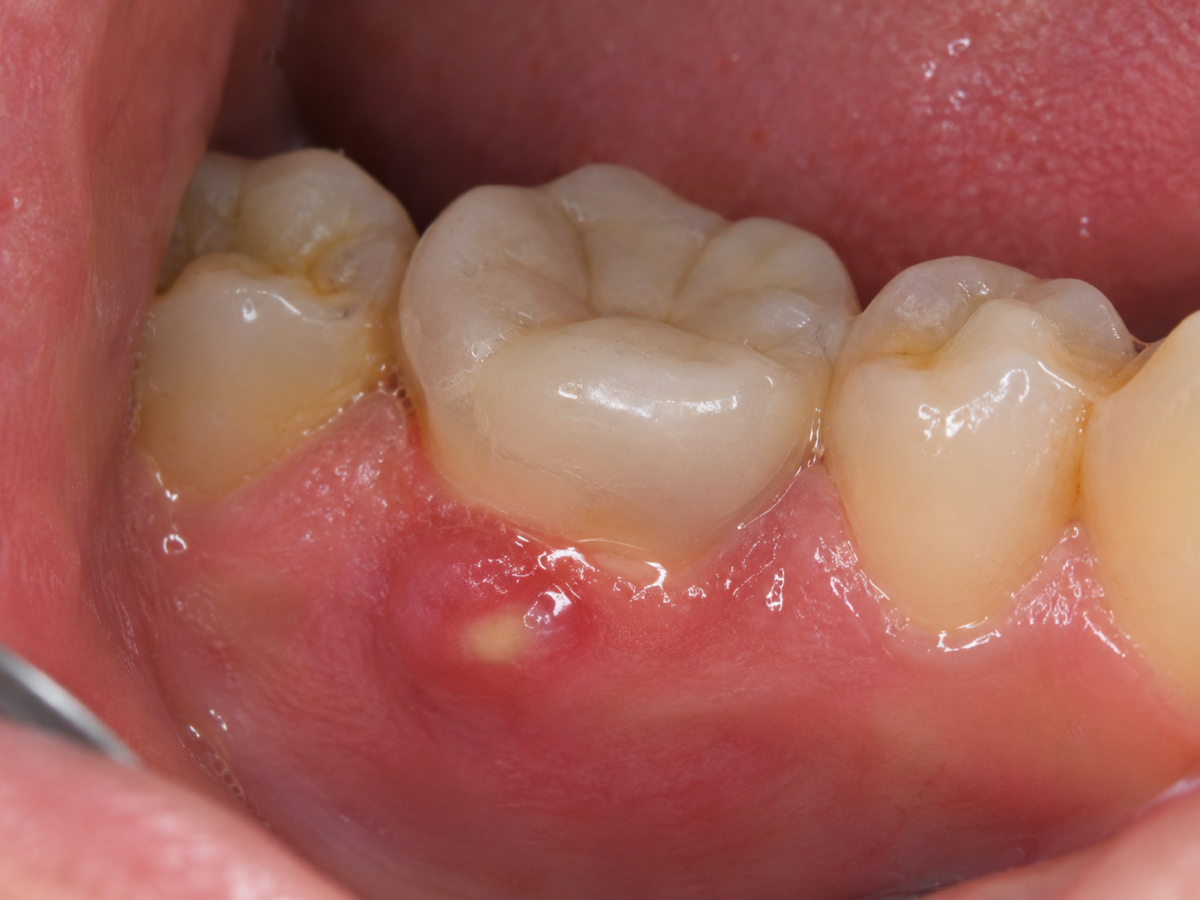
What Does a Dental Abscess Look Like?
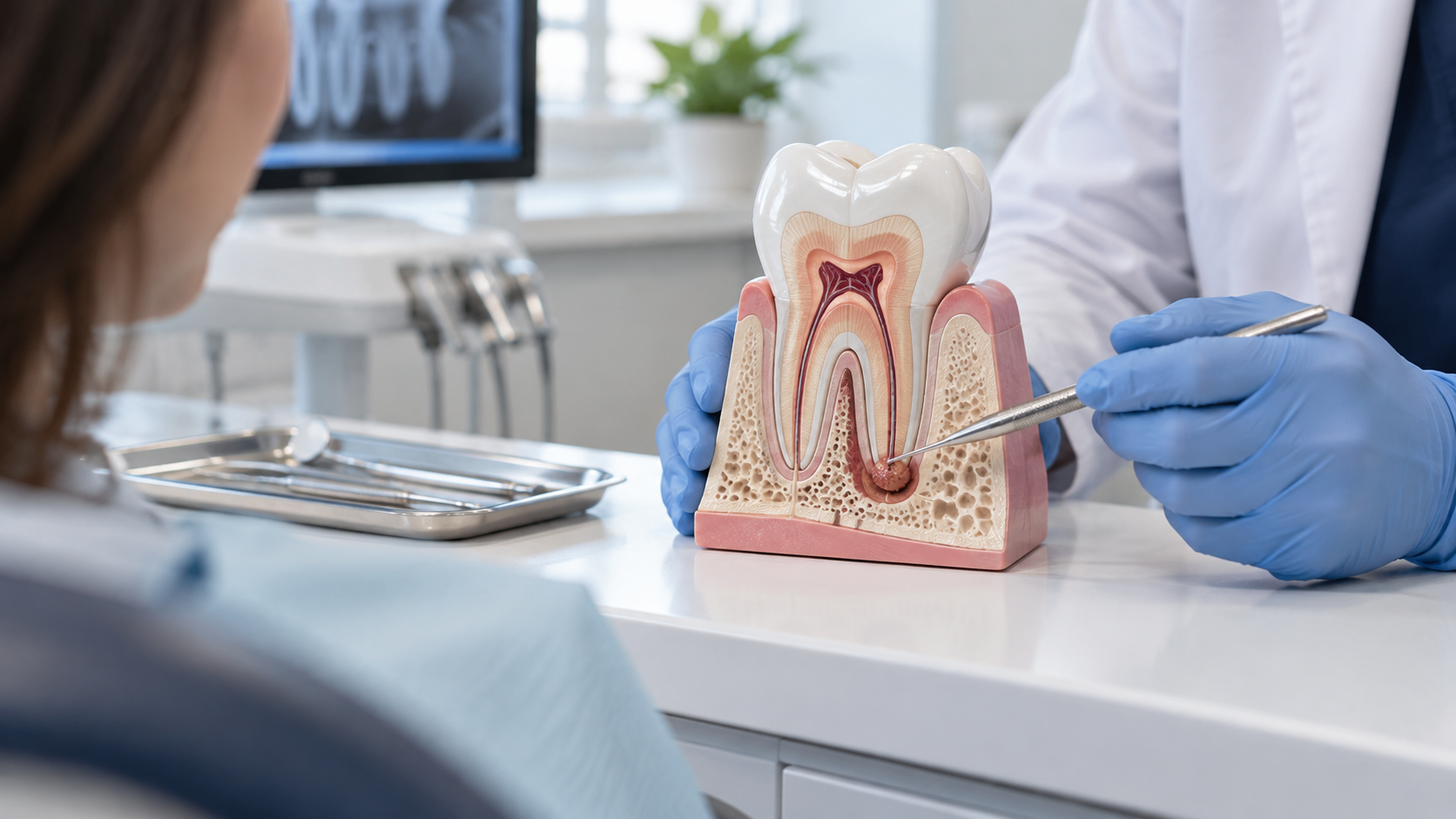
A dental abscess is a localized collection of pus caused by a bacterial infection. When an abscess develops in your tooth after root canal treatment, it often indicates that bacteria remain within the tooth’s root canal system or have reentered the tooth after the initial procedure.
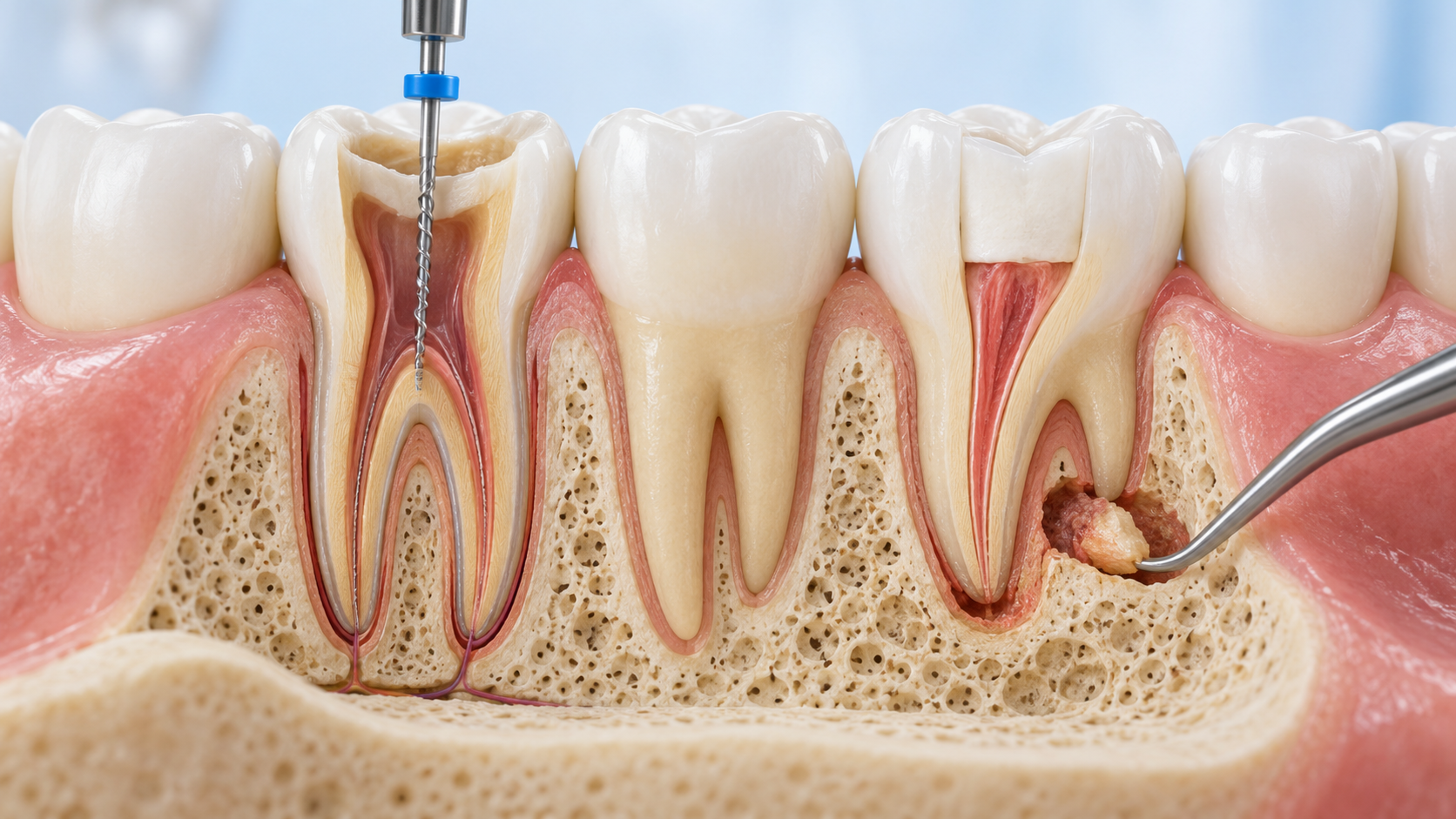
Although a root canal removes infected pulp tissue and seals the internal canals, bacteria can sometimes survive in difficult-to-reach areas. These bacteria may continue to multiply and cause inflammation or infection in the surrounding tissues, particularly near the tip of the tooth’s root.
An abscess in tooth after root canal treatment may appear shortly after the procedure or develop months or even years later. Depending on the severity of the infection, it can cause discomfort, swelling, or the formation of a small bump on the gums.
Importantly, the presence of an abscess does not necessarily mean the original root canal was performed incorrectly or that the tooth cannot be saved. Additional treatment may successfully eliminate the infection while preserving the tooth’s natural structure.
What Causes an Abscess in a Tooth After Root Canal Treatment?
Understanding why an infection develops is essential for identifying the most appropriate treatment. Several factors can contribute to an abscess after root canal treatment, even when the original procedure was completed successfully.
Persistent Bacteria Within the Root Canals
Some teeth contain narrow, curved, or complex root canal systems that are difficult to clean completely. Bacteria may survive within tiny branches or areas that conventional instruments cannot reach, allowing an infection to persist after treatment.
Missed or Untreated Root Canals
Certain teeth, particularly molars, have multiple canals with complicated internal anatomy. If a small or unusually positioned canal is not identified during the initial procedure, bacteria within that canal may eventually cause another infection.
Leaking or Damaged Dental Restorations
Crowns and fillings help protect root canal-treated teeth from bacterial contamination. If a restoration becomes loose, cracked, or damaged, bacteria from the mouth may enter the tooth and cause a new infection.
Cracks or Fractures in the Tooth
A crack in the tooth or root can create an entry point for bacteria, even after a successful root canal. Depending on the location and severity of the fracture, the resulting infection may be difficult to eliminate without additional treatment.
Complications Around the Root Tip
Inflammation or infection may persist in the jawbone surrounding the root tip, especially when bacteria remain in inaccessible portions of the canal system. In some cases, these infections create persistent lesions that require specialized treatment, such as an apicoectomy, to promote healing.
Common Signs and Symptoms of an Abscess After Root Canal
An abscess after root canal treatment does not always cause immediate or severe pain. Some patients experience noticeable symptoms, while others may have an infection that is discovered during a routine dental examination.
Common warning signs include:
- Persistent tooth pain: Ongoing throbbing, aching, or discomfort around the previously treated tooth.
- Swelling around the gums: Inflamed or tender gum tissue near the affected tooth.
- A pimple-like bump on the gums: A small raised area that may intermittently release pus or fluid.
- Pain when biting or chewing: Increased tenderness when pressure is applied to the affected tooth.
- Unpleasant taste or odor: A bad taste or persistent bad breath associated with drainage from the infected area.
- Facial or jaw swelling: Inflammation that extends beyond the immediate area surrounding the tooth.
- Recurring symptoms: Pain or swelling that improves temporarily but returns over time.
Mild tenderness immediately following a root canal can be part of normal healing. However, persistent or worsening symptoms, new swelling, or recurring drainage should be evaluated by a dental professional.
An abscess accompanied by fever or spreading facial swelling requires urgent assessment. Difficulty breathing or swallowing, or rapidly progressing swelling, warrants immediate emergency medical care.
How to Treat an Abscess After Root Canal Without Extracting the Tooth
Fortunately, there are several ways to treat an abscess in tooth after root canal treatment without immediately resorting to extraction. The most appropriate approach depends on the source of the infection, the condition of the tooth, and whether the surrounding bone and supporting structures remain healthy.

1. Root Canal Retreatment
Root canal retreatment is often considered when a previous procedure did not completely eliminate the infection or when bacteria have reentered the tooth. This procedure involves reopening the tooth, removing the original filling material, and thoroughly cleaning the root canal system.
During retreatment, an endodontist may use advanced magnification and specialized instruments to identify previously missed canals, remove infected material, and disinfect difficult-to-reach areas. Once the canals have been cleaned, they are resealed to reduce the risk of reinfection.
Root canal retreatment may be particularly effective when the infection originates inside the tooth and the root canals can be safely accessed again.
2. Dental Apicoectomy (Root-End Surgery)
An apicoectomy is a specialized endodontic procedure designed to treat persistent infection near the tip of a tooth’s root. Unlike conventional root canal retreatment, which accesses the infection through the crown of the tooth, an apicoectomy addresses the affected area through the surrounding gum tissue.
During the procedure, the endodontist removes infected tissue, trims a small portion of the root tip, and seals the end of the root canal. This helps eliminate the source of infection while preserving the remaining tooth structure.
An apicoectomy may be recommended when an abscess persists despite root canal treatment, when small canals cannot be accessed through conventional retreatment, or when existing dental restorations make retreatment more complicated.
3. Drainage of the Dental Abscess
If an abscess has caused a significant buildup of pus, a dentist may need to drain the infected area to relieve pressure and discomfort. This typically involves creating a small opening that allows accumulated fluid to escape.
Drainage can provide relief from swelling and pain while reducing the immediate accumulation of infected material. However, draining an abscess does not necessarily eliminate the bacteria responsible for the infection.
Additional treatment, such as root canal retreatment or an apicoectomy, may still be necessary to address the underlying cause and prevent the abscess from returning.
4. Antibiotic Treatment When Necessary
Antibiotics may be prescribed in certain situations, particularly when a dental infection has begun spreading beyond the immediate area or causes systemic symptoms such as fever or malaise. These medications can help control bacterial infection while appropriate dental treatment is arranged.
However, antibiotics alone generally cannot eliminate the source of an abscess within a previously treated root canal. The American Dental Association recommends prioritizing definitive dental treatment rather than routinely prescribing antibiotics for localized dental infections in otherwise healthy adults.
Your dental specialist will determine whether antibiotics are appropriate based on your symptoms, medical history, and the severity of the infection.
When Is Tooth Extraction Necessary for a Root Canal Abscess?
Although many dental infections can be treated without removing the tooth, extraction may be necessary when the tooth is too severely damaged to support a predictable long-term result.
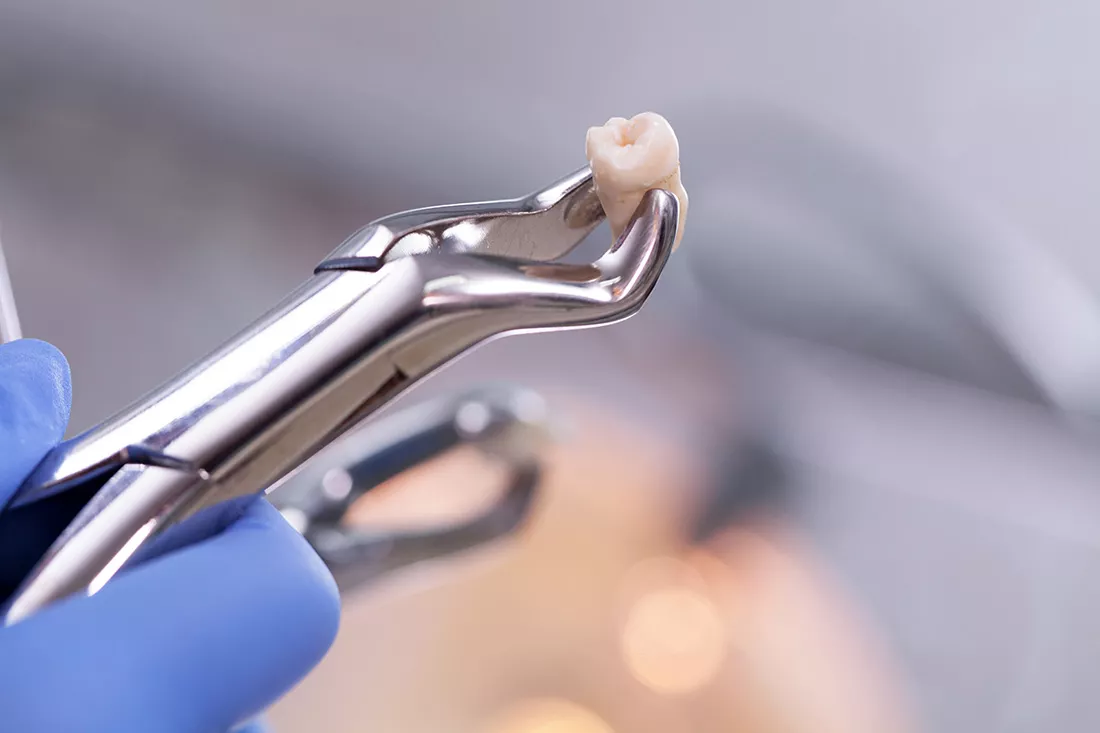
Situations in which extraction may be recommended include:
- Severe vertical root fractures: Fractures that extend through the root and create an ongoing pathway for bacterial infection.
- Extensive structural damage: Significant decay or breakage that makes the tooth impossible to restore.
- Advanced periodontal disease: Substantial loss of supporting bone or gum attachment that compromises tooth stability.
- Insufficient remaining tooth structure: Damage that prevents a crown or other restoration from adequately protecting the tooth.
- Unmanageable persistent infection: Infection that cannot be predictably resolved through appropriate retreatment or surgery.
Even when extraction appears likely, an endodontic evaluation may help determine whether a tooth-preserving alternative is available.
Preserving a natural tooth, when feasible, can help maintain normal chewing function, bite alignment, and the surrounding dental structures.
How to Prevent Another Abscess After Root Canal Treatment
After an abscess has been treated, protecting the affected tooth is important for reducing the likelihood of another infection. Although not every complication can be prevented, proper restorative care and ongoing dental maintenance can support long-term success.
Consider the following preventive measures:
- Complete recommended restorative treatment: Make sure the treated tooth receives an appropriate permanent filling or crown to protect it from reinfection.
- Maintain consistent oral hygiene: Brush twice daily, clean between your teeth, and follow your dentist’s recommendations for maintaining healthy gums.
- Schedule regular dental examinations: Routine checkups and appropriate imaging can help identify potential complications before they become more serious.
- Address damaged restorations promptly: Have loose crowns, cracked fillings, or new decay evaluated before bacteria can enter the treated tooth.
- Attend follow-up appointments: Return for recommended evaluations so your dentist can monitor healing around the root and surrounding bone.
- Protect your teeth from excessive force: If you grind or clench your teeth, ask your dentist whether a protective nightguard may be beneficial.
Following these recommendations can help protect your investment in root canal treatment and improve the chances of keeping your natural tooth for many years.
Specialized Endodontic Care at Foundation Dental Specialists in Pasadena
At Foundation Dental Specialists, we are dedicated to helping patients in Pasadena and surrounding communities preserve their natural teeth through advanced, evidence-based dental care. Our experienced team of periodontists and endodontists combines clinical expertise, modern diagnostic technology, and personalized treatment planning to address complex oral health conditions. We develop customized solutions based on scientific evidence, professional judgment, and each patient’s individual needs and preferences.
For patients experiencing a persistent abscess after root canal treatment, we offer specialized procedures designed to address infections that conventional treatment has not fully resolved. Our dental apicoectomy procedure allows us to access the infected area near the root tip, remove diseased tissue, and seal the root end while preserving the natural tooth whenever possible. We also provide advanced endodontic microsurgery, using specialized instruments and high-powered magnification to treat complex dental problems with exceptional precision. Our goal is to help patients overcome persistent infections, restore oral health, and avoid unnecessary extractions whenever a tooth can be predictably saved.

Save Your Natural Tooth With Expert Endodontic Treatment in Pasadena
Developing an abscess after root canal treatment can be frustrating, but it does not necessarily mean your tooth needs to be extracted. Depending on the source and severity of the infection, treatments such as root canal retreatment, abscess drainage, or an apicoectomy may help eliminate the infection and preserve your natural tooth. Seeking professional care promptly is essential for preventing complications and determining the most effective treatment.
If you are experiencing pain, swelling, or a recurring abscess in tooth after root canal treatment, contact Foundation Dental Specialists in Pasadena today. Our experienced endodontic team can evaluate your condition, explain your treatment options, and determine whether an advanced procedure such as a dental apicoectomy may help save your tooth. Schedule an appointment today to learn more about our tooth-preserving treatments and take the next step toward restoring your oral health.