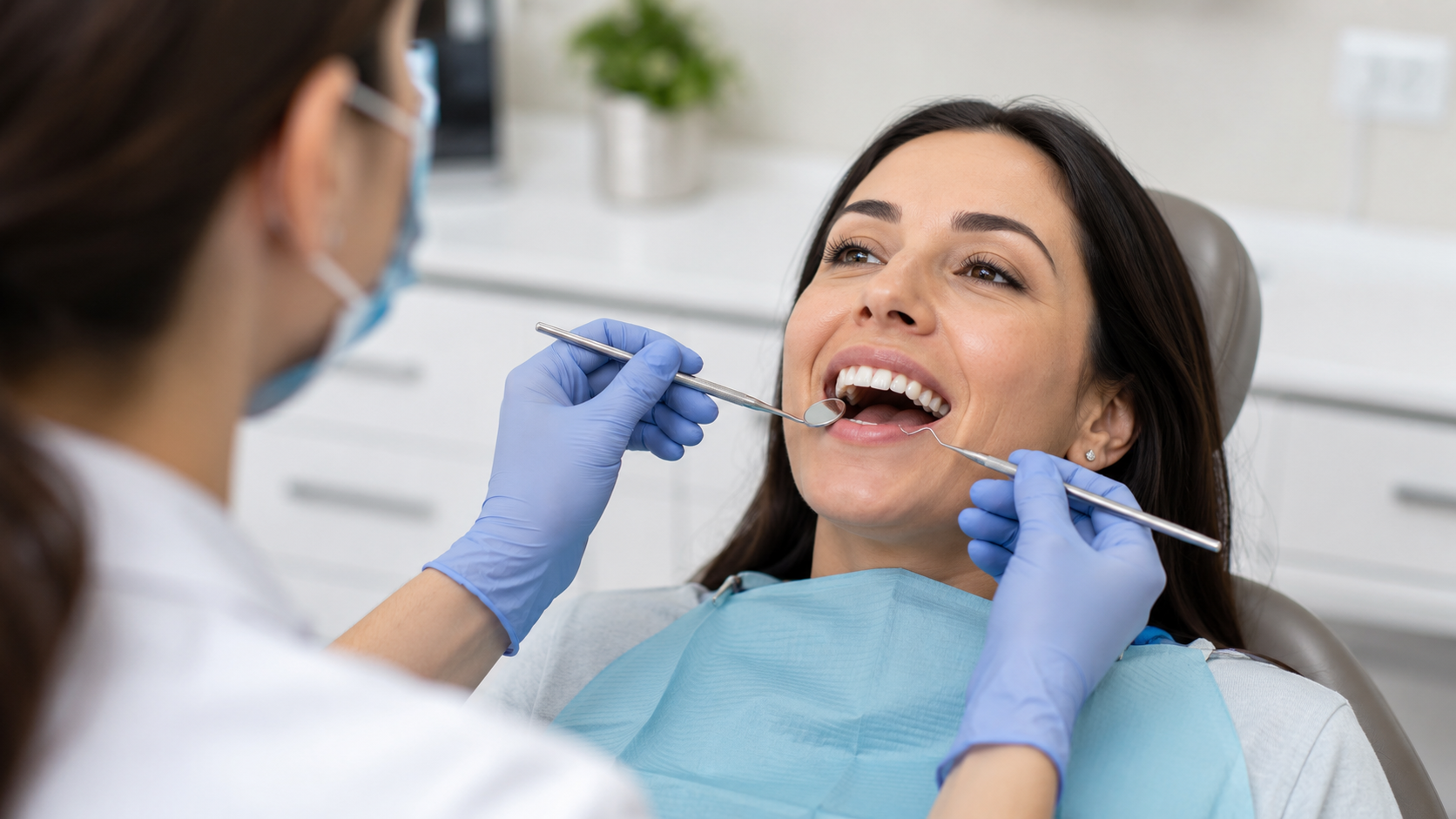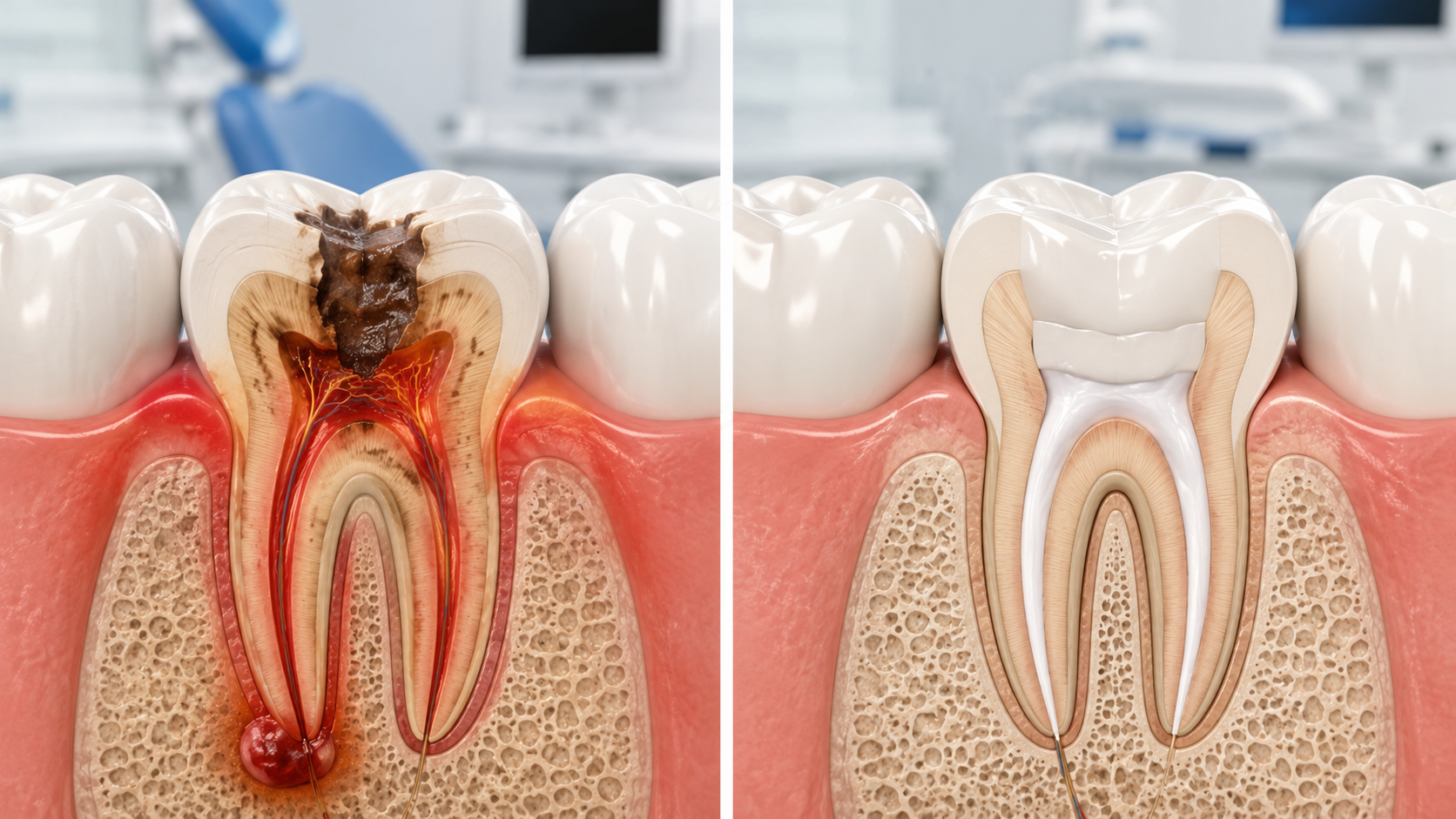
Permanent dental implants provide a stable, long-term way to replace missing or severely damaged teeth. Unlike traditional removable dentures, implant restorations are supported by small posts placed in the jawbone, helping replacement teeth feel more secure when speaking, smiling, and eating. Depending on a patient’s needs, implants can replace one tooth, several teeth, or a complete upper or lower arch.
Choosing the right treatment requires careful consideration of your oral health, jawbone structure, number of missing teeth, personal preferences, and budget. This patient’s guide explains the most common permanent dental implant options, their key benefits, and the treatment process.
What Are Permanent Dental Implants?
Dental implants are artificial tooth roots that are surgically placed into the jawbone. Once the implant has healed and bonded with the surrounding bone, it can support a crown, bridge, or full-arch restoration.
A complete implant restoration usually includes three main components:
- The implant post placed in the jawbone
- An abutment that connects the implant to the restoration
- A crown, bridge, or denture that replaces the visible teeth
The term “permanent” generally refers to the stability of the implant and restoration compared with a conventional removable denture. However, implants still require daily cleaning, routine dental care, and occasional maintenance. The visible restoration may also need repair or replacement over time.
Permanent Dental Implant Options
The best implant solution depends largely on how many teeth need to be replaced and whether the patient prefers a fixed or removable restoration.
Single-Tooth Dental Implants
A single dental implant can replace one missing tooth without depending on the neighboring teeth for support. After the implant heals, a customized crown is attached to create a natural-looking replacement.
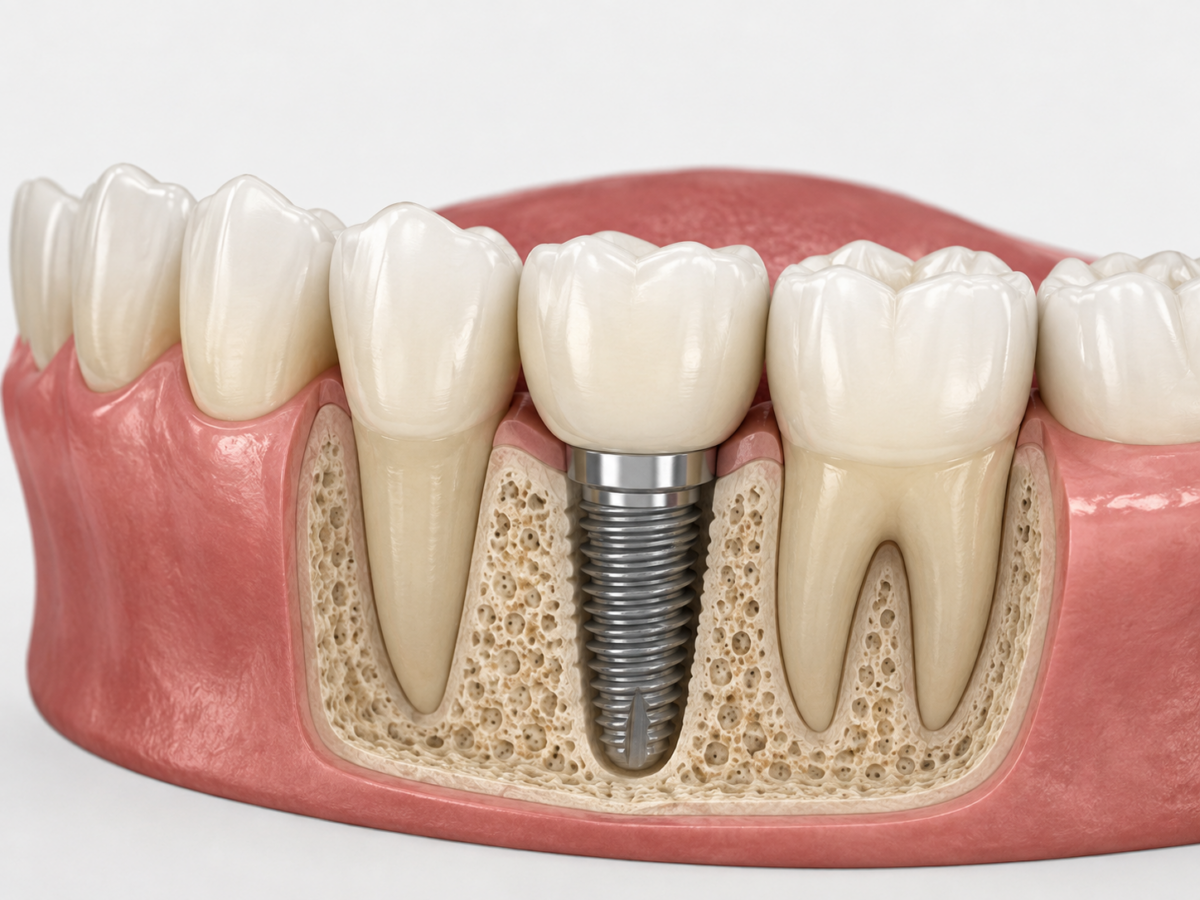
This option is often recommended when one tooth is missing and the surrounding teeth are healthy. Unlike a traditional bridge, a single implant generally does not require the adjacent teeth to be reshaped.
Implant-Supported Bridges
An implant-supported bridge can replace several missing teeth in the same area. Rather than placing an implant for every missing tooth, strategically positioned implants support a connected group of replacement teeth.
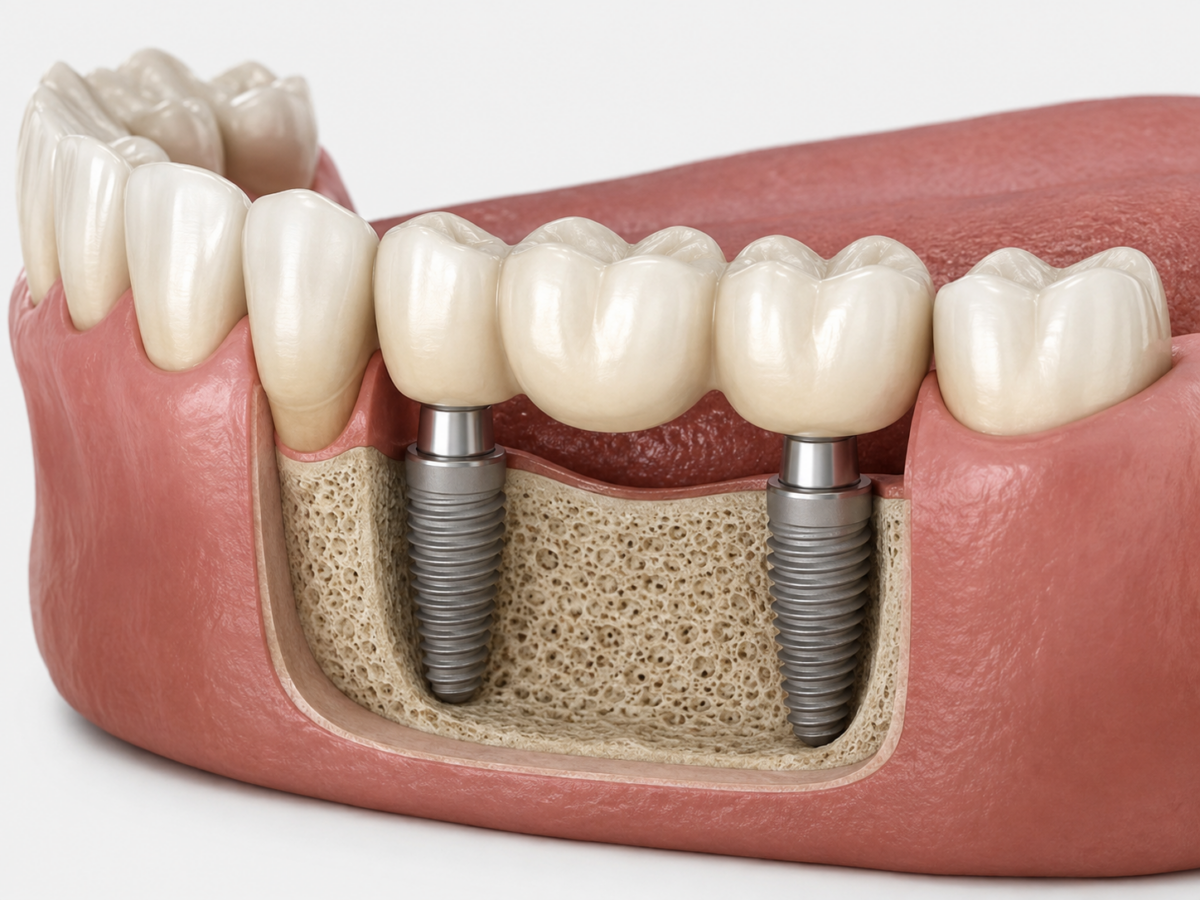
This approach may provide greater stability than a removable partial denture while using fewer implants than individual tooth replacement.
Fixed Full Arch Implant-Supported Bridges
A Fixed Full Arch Implant-Supported Bridge replaces most or all of the teeth in the upper jaw, lower jaw, or both. Several dental implants are placed in the jaw to support a full row of replacement teeth.
The bridge remains fixed in place and can only be removed by a dental professional. This option is often selected by patients who want replacement teeth that feel secure and do not need to be taken out each day.
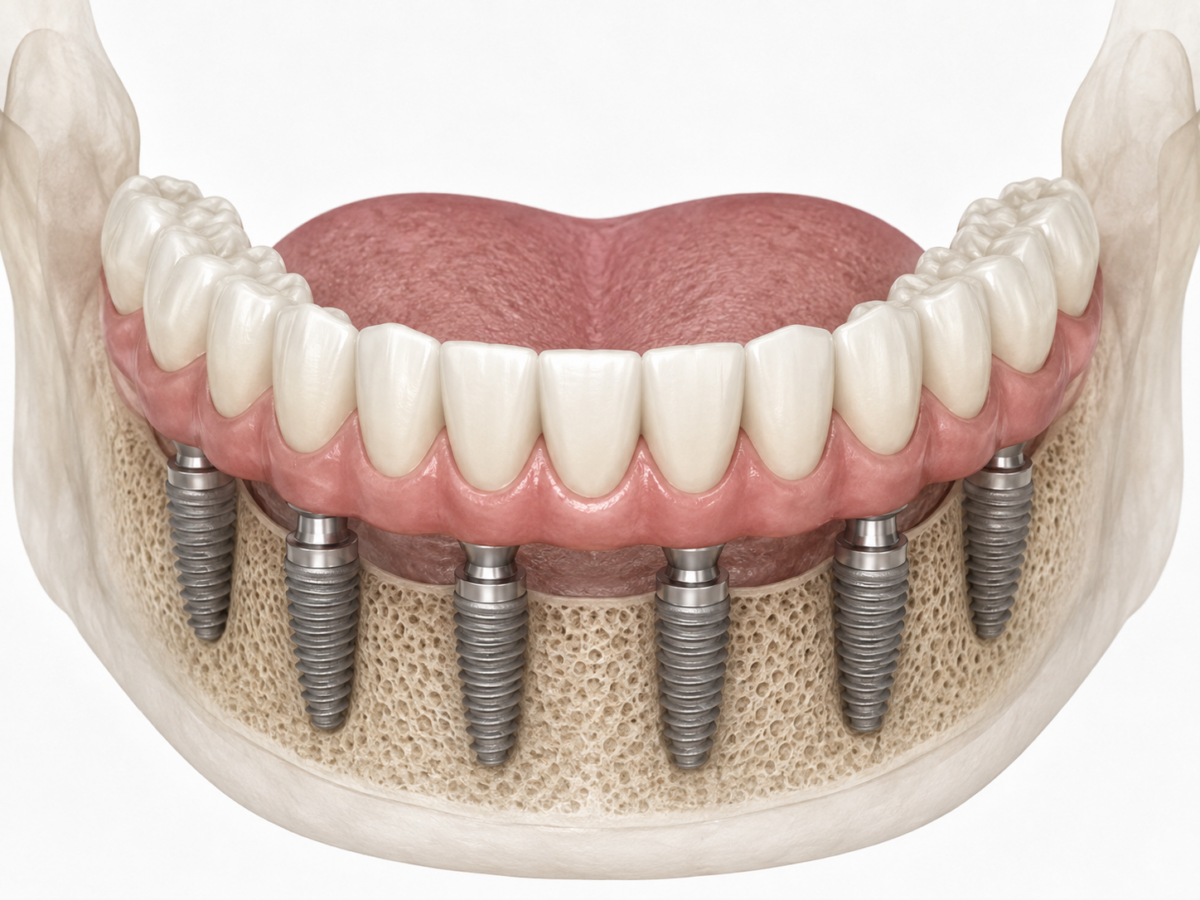
A fixed full-arch bridge may be suitable for patients who:
- Are missing most or all teeth in an arch
- Have multiple failing or severely damaged teeth
- Want a fixed alternative to traditional dentures
- Have enough healthy bone or can undergo bone grafting
- Are willing to follow specialized cleaning instructions
Implant Overdentures
An implant overdenture is a removable denture that attaches to dental implants for greater stability. The patient can remove the denture for cleaning, but the implant attachments help reduce slipping and movement.
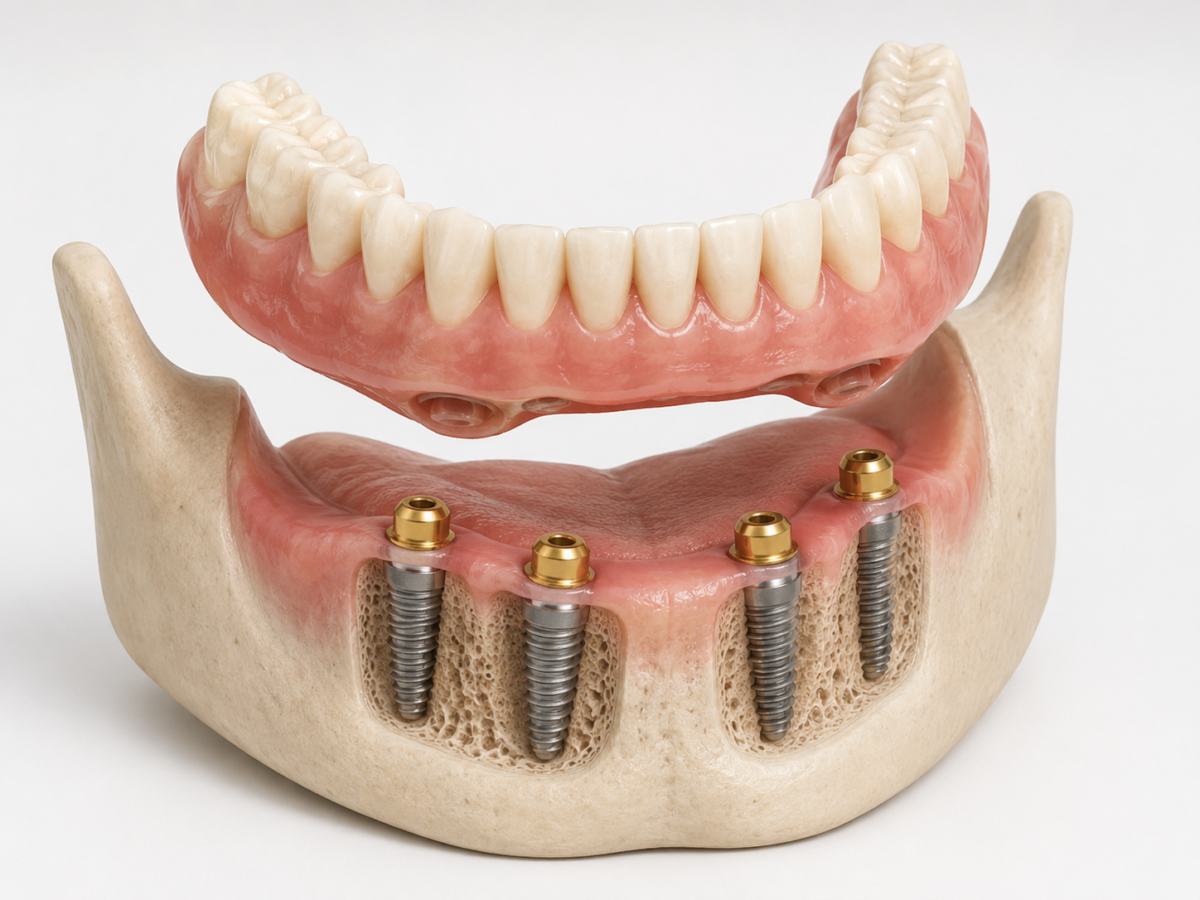
Implant overdentures may be a good option for patients who want more security than a traditional denture without choosing a fully fixed restoration. They may also be easier for some patients to clean because the restoration can be removed.
Feature | Single-Tooth Implant | Implant-Supported Bridge | Fixed Full Arch Implant-Supported Bridge | Implant Overdenture |
Teeth replaced | One missing tooth | Several adjacent missing teeth | Most or all teeth in one arch | Most or all teeth in one arch |
Restoration type | Fixed crown | Fixed bridge | Fixed full-arch bridge | Removable implant-supported denture |
Number of implants | Typically one | Usually two or more | Several implants per arch | Usually fewer implants than a fixed full-arch bridge |
Removability | Removed only by a dental professional | Removed only by a dental professional | Removed only by a dental professional | Removed by the patient |
Stability | Highly stable | Highly stable | Highly stable and fixed in place | More stable than a traditional denture |
Effect on nearby teeth | Does not usually require reshaping adjacent teeth | Does not rely on natural teeth for support | Replaces an entire arch without relying on remaining teeth | Replaces an entire arch with implant retention |
Cleaning needs | Brushed and flossed similarly to a natural tooth | Requires cleaning around and beneath the bridge | Requires specialized cleaning beneath the restoration | Removed for daily cleaning |
Best suited for | One missing tooth with healthy surrounding teeth | Multiple missing teeth in the same area | Patients seeking fixed replacement of a complete arch | Patients seeking a more affordable, removable full-arch option |
Benefits of Permanent Dental Implants
Permanent dental implants can provide functional, cosmetic, and long-term oral health benefits. Individual results vary, but common advantages include the following.
Greater Stability
Implants are supported by the jawbone rather than resting only on the gums. This can help replacement teeth remain more stable during everyday activities.
Improved Chewing Function
Loose or uncomfortable dentures may make certain foods difficult to eat. Implant-supported restorations can provide a stronger foundation for biting and chewing.
Natural-Looking Results
Implant crowns, bridges, and full-arch restorations are customized to complement the patient’s smile, facial features, and bite.
Protection of Neighboring Teeth
A single implant can replace a missing tooth without requiring healthy adjacent teeth to be reshaped to support a traditional bridge.
Versatile Tooth Replacement
Implants can be used to replace one tooth, several teeth, or an entire arch. This flexibility allows treatment to be customized according to the extent of tooth loss.
Long-Term Reliability
With good oral hygiene and professional maintenance, dental implants can provide a durable tooth-replacement solution. Their longevity depends on several factors, including gum health, bone support, smoking, health conditions, bite forces, and daily care.
What to Expect During the Dental Implant Process
The implant process is completed in stages and may take several months. The exact timeline depends on the number of implants, the condition of the jawbone and gums, and whether additional procedures are required.
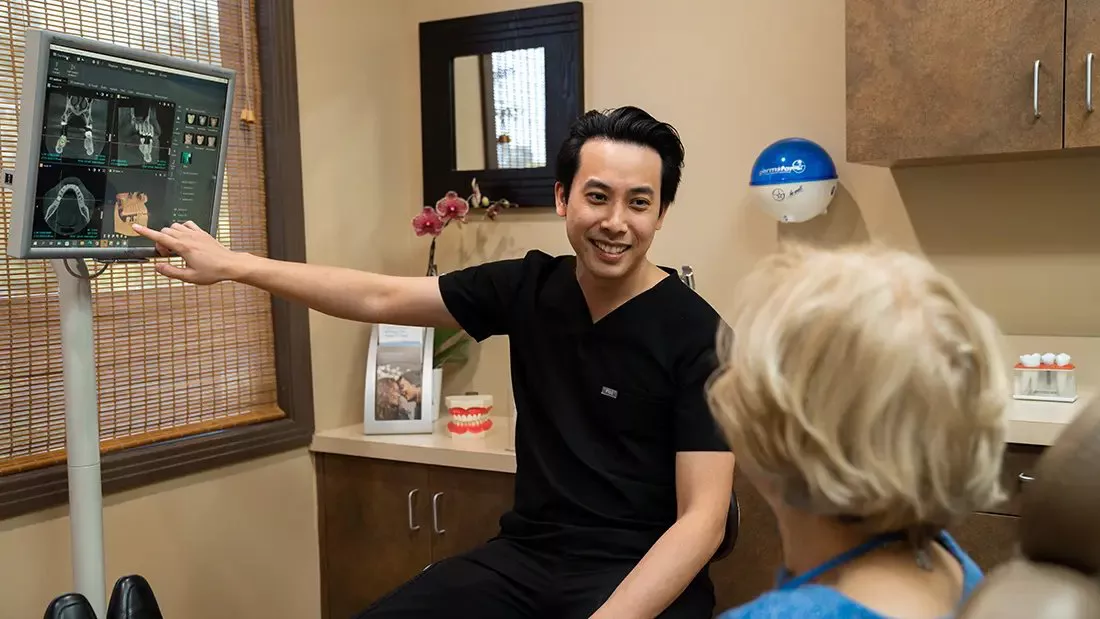
The first step is a comprehensive consultation. The dental specialist will examine the teeth and gums, review the patient’s health history, and use diagnostic imaging to assess the jawbone. This evaluation helps determine which teeth can be preserved, how many implants are needed, and whether bone grafting or other preliminary care is necessary.
The implant posts are then surgically placed into the planned areas of the jaw. A healing period allows the implants to integrate with the surrounding bone. Some patients may receive temporary replacement teeth during this period, depending on implant stability and the treatment plan.
Once healing is complete, the final crown, bridge, or full-arch restoration is created and attached. The dental team will check its fit, appearance, comfort, and bite before completing treatment.
Patients must continue to care for their implants after treatment. Daily brushing, cleaning around the restoration, and regular professional evaluations are necessary to protect the gums and supporting bone.
Who Is a Candidate for Permanent Dental Implants?
Many adults with missing or failing teeth may qualify for dental implants. Suitable candidates generally need healthy or treatable gums, adequate jawbone support, and the ability to heal properly after surgery.
Patients should also be prepared to maintain good oral hygiene and attend regular follow-up visits. Smoking, uncontrolled medical conditions, active gum disease, and poor plaque control may increase the risk of complications. These issues do not always prevent implant treatment, but they must be evaluated before surgery.
Patients with inadequate bone may still be candidates after bone grafting or another preparatory procedure. A specialist can determine whether additional treatment is necessary after reviewing diagnostic images and examining the proposed implant sites.
Full Arch Implant Restorations at Foundation Dental Specialists
At Foundation Dental Specialists in Pasadena, our periodontists and endodontists are passionate about providing patients with improved dental care. We create customized treatment plans based on a combination of strong scientific evidence, clinical judgment, professional experience, and patient preference. This personalized approach allows our team to recommend oral health solutions that account for each patient’s needs, anatomy, and treatment goals.
For patients who need to replace most or all teeth in an arch, we offer both Fixed Full Arch Implant-Supported Bridges and Implant Overdentures. A fixed bridge may be appropriate for patients who want a stable restoration that remains secured in place, while an implant overdenture may appeal to patients who prefer a removable option that provides greater stability than a conventional denture. Our specialists carefully evaluate the gums, jawbone, bite, remaining teeth, and overall health before recommending a full-arch treatment plan.
Explore Permanent Dental Implant Options in Pasadena
Permanent dental implants can help restore the appearance, stability, and function of a smile affected by missing or failing teeth. Whether you need to replace one tooth or are considering a complete full-arch restoration, the right treatment begins with a thorough evaluation and personalized plan.
Contact Foundation Dental Specialists to learn more about permanent dental implants, Fixed Full Arch Implant-Supported Bridges, and Implant Overdentures. Pasadena residents can schedule an appointment with our specialty team to discuss their options, expected treatment process, and estimated cost.