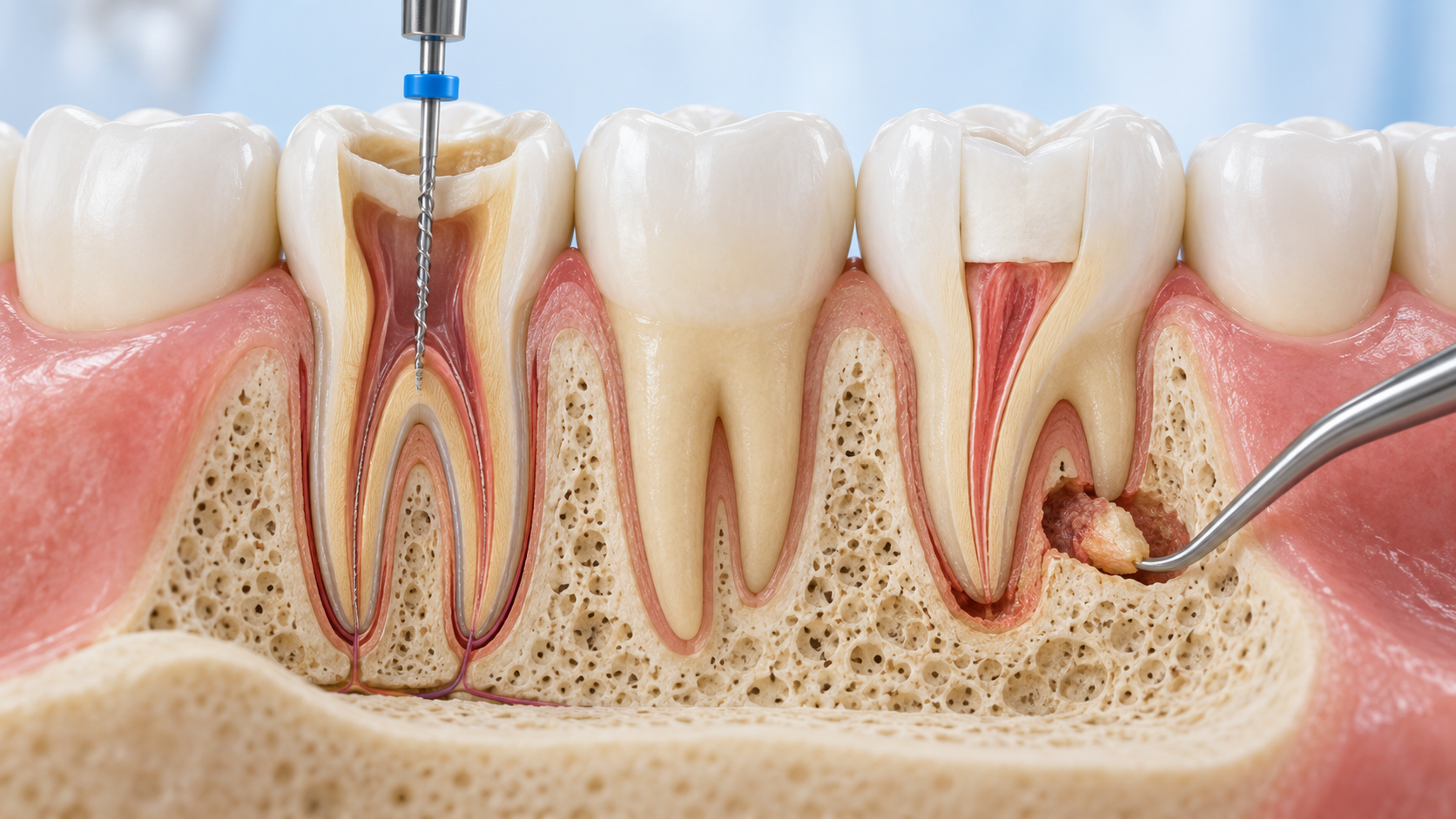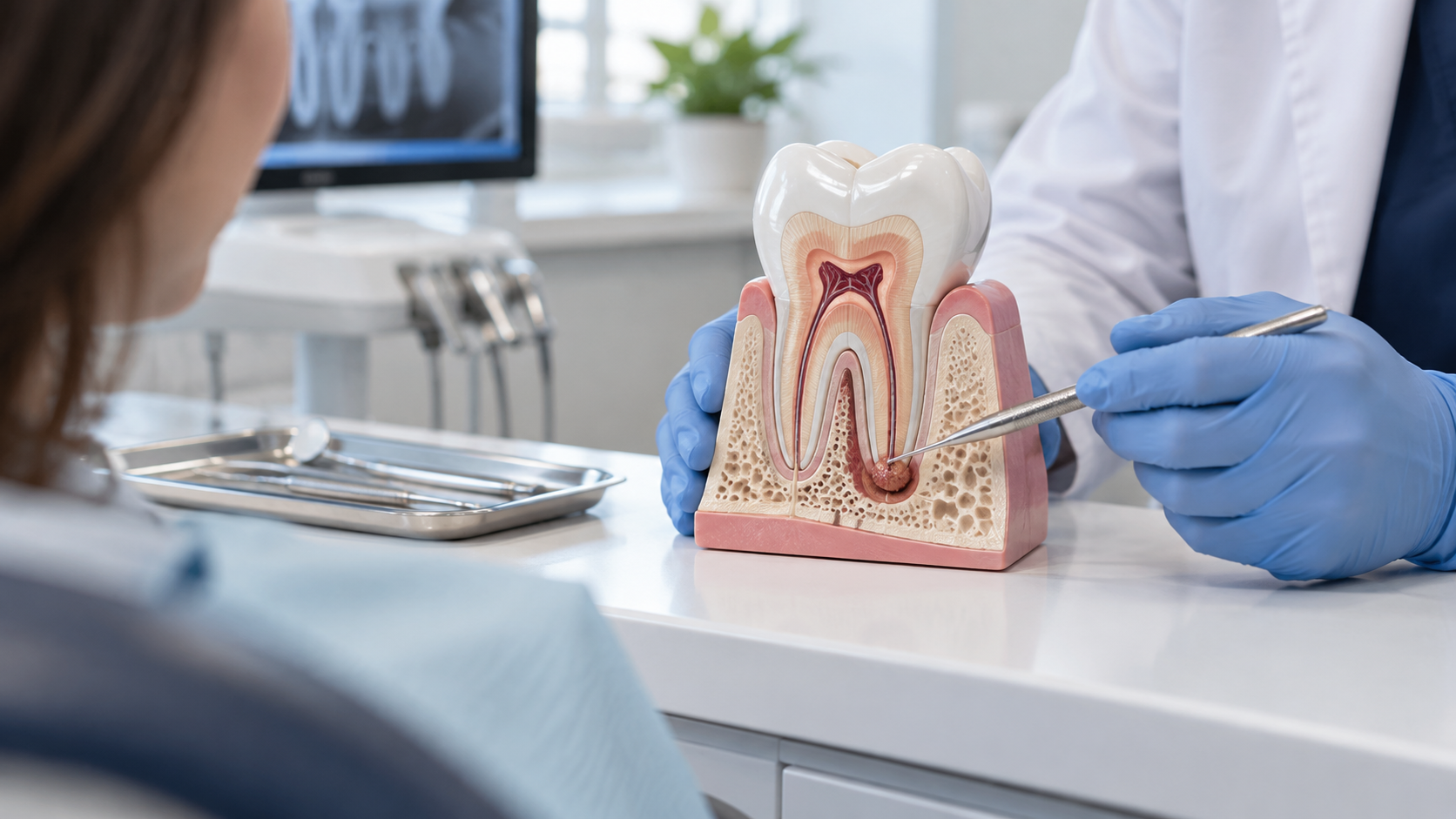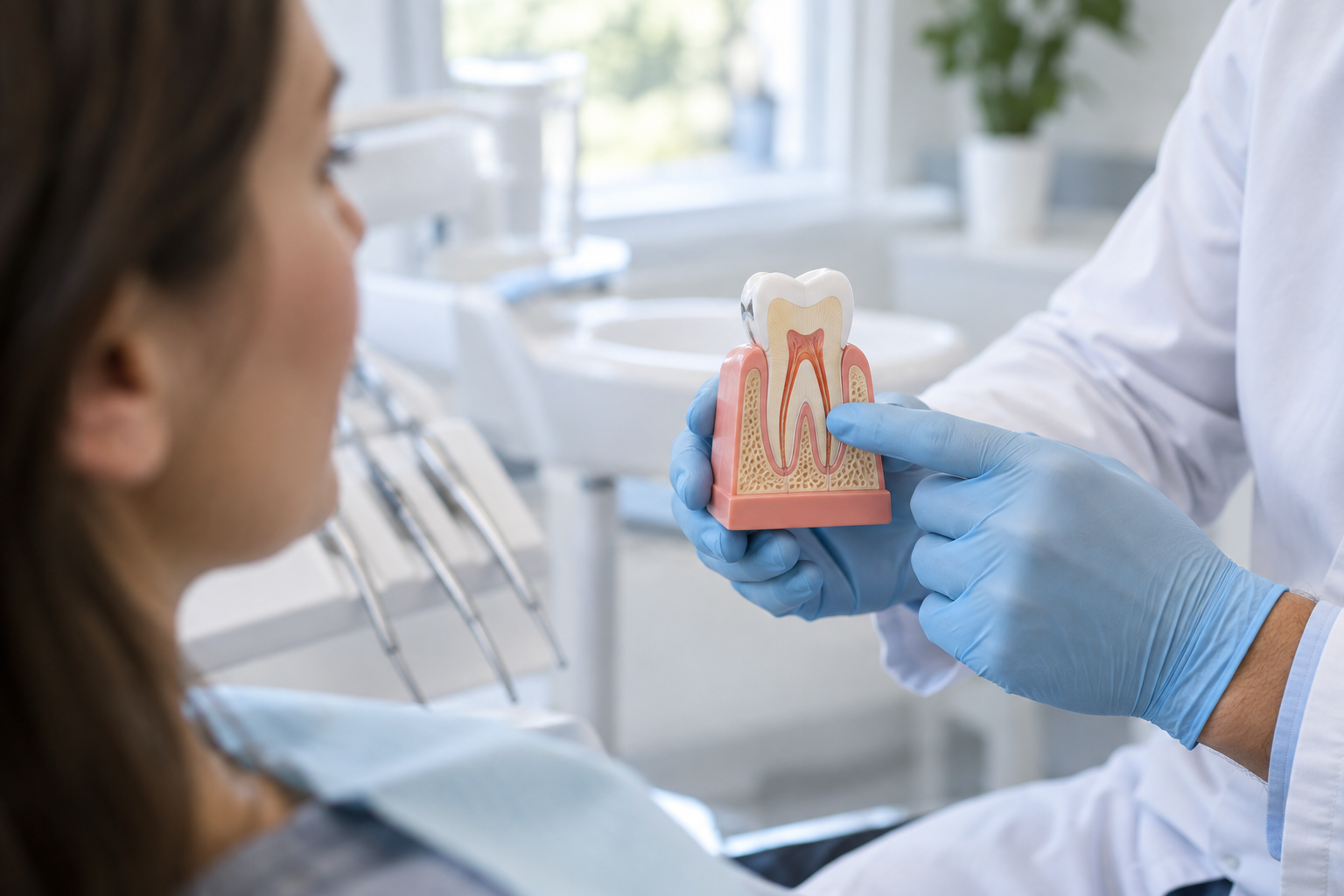
Receding gums can be frustrating, uncomfortable, and concerning—especially when you start noticing tooth sensitivity, longer-looking teeth, or exposed tooth roots. If you are wondering how to fix receding gums, the most important thing to know is this: gum tissue generally does not grow back on its own once it has receded. However, the right periodontal treatment can help stop the recession from getting worse, protect exposed roots, improve comfort, and in some cases restore lost gum coverage.
The best way to fix receding gums depends on the cause, severity, and overall health of your gums, teeth, and supporting bone. Mild cases may be managed with non-surgical care and improved home habits, while more advanced recession may require surgical treatment such as soft tissue grafting, one of the most effective options for rebuilding and strengthening the gumline.
Can You Fix Receding Gums?
Many patients ask, “can you fix receding gums?” The answer is yes, but the right solution depends on what “fix” means for your situation. If gum recession is caught early, treatment may focus on stopping further damage, reducing inflammation, and protecting exposed roots. If recession is more advanced, procedures such as gum grafting or other periodontal techniques may be recommended to restore gum coverage.
Receding gums should not be ignored. Without care, exposed roots can become more vulnerable to sensitivity, root decay, gum disease progression, and eventual tooth loss. Periodontal treatments such as scaling and root planing are commonly used to remove plaque and tartar below the gumline, while gum graft surgery may be used to treat thinning gums or recession by covering exposed roots and adding gum tissue volume.
What Causes Receding Gums?
Before deciding how to fix receding gums, your dental specialist will first determine what is causing the recession. Common causes include:
- Periodontal disease: Bacterial infection can damage gum tissue and the bone that supports the teeth.
- Aggressive brushing: Brushing too hard or using a hard-bristled toothbrush can wear away delicate gum tissue.
- Genetics: Some people naturally have thinner gum tissue and may be more prone to recession.
- Tooth position or misalignment: Teeth that sit too far forward or are crowded may place stress on the gumline.
- Tobacco use: Smoking or chewing tobacco can increase the risk of gum problems and interfere with healing.
- Teeth grinding or clenching: Excessive pressure can contribute to gum and supporting tissue damage.
- Poor oral hygiene: Plaque and tartar buildup can inflame the gums and worsen recession over time.
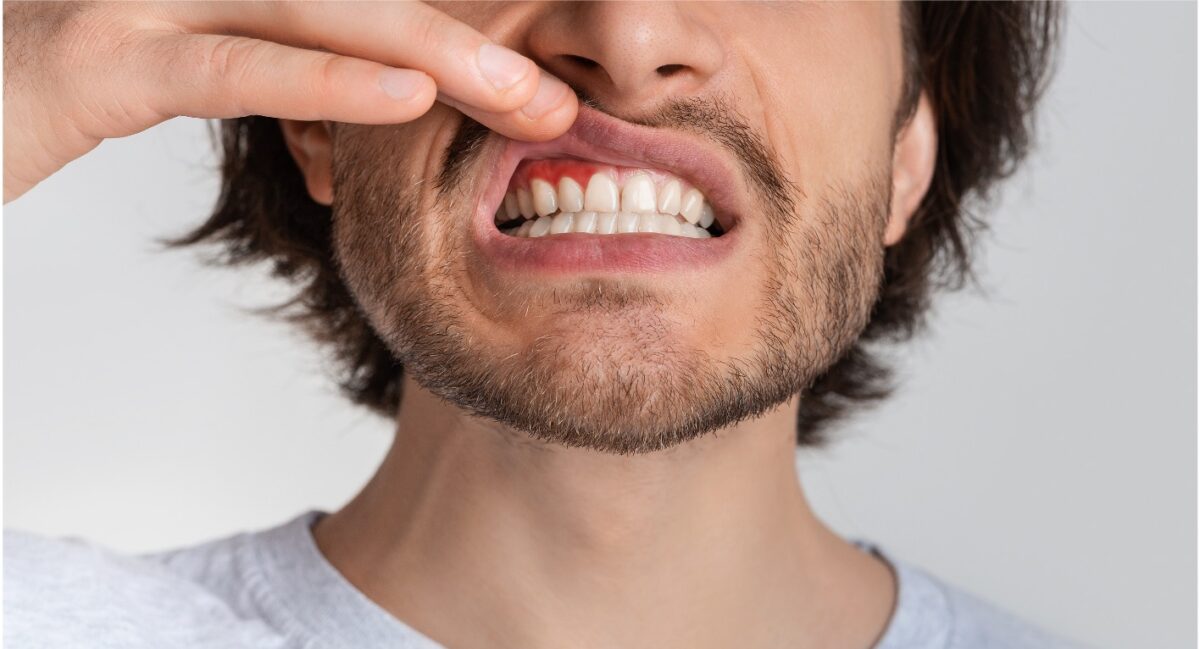
Because gum recession can have several causes, a personalized evaluation is essential. Treating the symptom without addressing the source may allow the problem to continue.
Top Treatment Options to Fix Receding Gums
1. Soft Tissue Grafting for Receding Gums
Soft tissue grafting is one of the top treatment options for patients who want to fix receding gums, especially when tooth roots are exposed or gum tissue is too thin to properly protect the teeth. During this procedure, tissue is typically taken from another area of the mouth, often the roof of the mouth, or from another suitable grafting source, and placed where gum tissue has receded.
Soft tissue grafting can help:
- Cover exposed tooth roots
- Reduce tooth sensitivity
- Strengthen thin or fragile gum tissue
- Improve the appearance of the gumline
- Help prevent future gum recession
- Support long-term periodontal health
Gum graft surgery is used to treat thinning gums and gum recession, and it can cover exposed roots while adding tissue volume to the gumline. Recovery often takes about one to two weeks, though healing can vary depending on the patient and procedure.
For many patients, soft tissue grafting is the most predictable option when gum recession is moderate to severe or when the goal is to rebuild stronger gum support around vulnerable teeth.
2. Scaling and Root Planing
For patients with gum recession related to periodontal disease, scaling and root planing may be recommended. This non-surgical deep cleaning removes plaque and tartar from above and below the gumline. The roots are then smoothed to help reduce bacterial buildup and encourage healthier gum attachment.
The American Academy of Periodontology describes scaling and root planing as a deep cleaning of tooth root surfaces, and the National Institute of Dental and Craniofacial Research explains that scaling removes tartar from above and below the gumline.
Scaling and root planing may be appropriate when recession is linked to inflammation, infection, or early to moderate gum disease. While it does not regrow lost gum tissue, it can help stop disease progression and create a healthier foundation for future treatment if needed.
3. Antibacterial Rinses, Gels, or Localized Antibiotics
If bacteria and inflammation are contributing to gum recession, your dental specialist may recommend antibacterial mouthwash, medicated gels, or localized antibiotic therapy. These treatments can help reduce bacteria in periodontal pockets and support healing after deep cleaning.
This approach is often used alongside scaling and root planing rather than as a stand-alone solution. The goal is to control infection, reduce inflammation, and help prevent additional tissue loss.
4. Desensitizing Products for Exposed Roots
Receding gums often expose the softer root surfaces of the teeth, which can lead to sensitivity when eating or drinking hot, cold, sweet, or acidic foods and beverages. Desensitizing toothpaste, fluoride treatments, or protective dental products may help reduce discomfort.
These products do not fix receding gums structurally, but they can make symptoms more manageable while your dental specialist addresses the underlying problem.
5. Orthodontic Treatment
In some cases, gum recession is related to tooth position. If a tooth is positioned too far forward or placed under excessive pressure, the surrounding gum tissue may become thin or begin to recede. Orthodontic treatment may help reposition teeth in a way that reduces stress on the gumline.
Orthodontics is not the right solution for every case, but it may be part of a broader plan to fix receding gums and protect long-term oral health.
6. Pinhole Surgical Technique
The pinhole surgical technique is a minimally invasive treatment option for certain cases of gum recession. Instead of using traditional grafting methods, this approach involves creating a small opening in the gum tissue and repositioning existing tissue over exposed roots.
The pinhole technique may be appealing to some patients because it can involve less surgical intervention than traditional grafting. However, not every patient is a candidate. The best option depends on the amount of recession, gum thickness, tooth position, and overall periodontal health.
How to Prevent Receding Gums From Getting Worse
Even after treatment, prevention and maintenance are essential. To help protect your gums:
- Use a soft-bristled toothbrush.
- Brush gently instead of scrubbing aggressively.
- Floss daily using proper technique.
- Keep up with professional dental cleanings.
- Avoid smoking and chewing tobacco.
- Wear a nightguard if you grind or clench your teeth.
- Schedule periodontal evaluations if you notice sensitivity, bleeding, or longer-looking teeth.
Daily oral care and regular dental visits are especially important after periodontal treatment. It is important to note that treating gum disease also requires patients to maintain good daily care at home and may involve behavior changes such as quitting smoking to improve treatment outcomes.
When Should You See a Periodontist?
You should schedule an evaluation if you notice:
- Teeth that appear longer than before
- Gumline changes
- Exposed tooth roots
- Increased tooth sensitivity
- Bleeding, swollen, or tender gums
- Loose teeth
- Persistent bad breath
- Notches near the gumline
A periodontist can determine whether your gum recession is mild, moderate, or severe and recommend the right treatment plan to fix receding gums before more serious damage occurs.
Soft Tissue Grafting in Pasadena at Foundation Dental Specialists
At Foundation Dental Specialists in Pasadena, our periodontists and endodontists are passionate about providing patients with improved dental care through thoughtful, customized treatment planning. We combine strong scientific evidence, clinical judgment, experience, and patient preference to create oral health solutions designed around each person’s needs.
For patients looking for how to fix receding gums, we proudly offer soft tissue grafting as a leading treatment option. Soft tissue grafting can help strengthen your gum tissue, protect exposed tooth roots, prevent future damage, and support long-term dental health. If your gums are thinning, pulling away from your teeth, or causing sensitivity, our team can evaluate your gum health and determine whether grafting or another periodontal treatment is right for you.

Contact Foundation Dental Specialists Today to Schedule a Consultation
Receding gums do not usually heal on their own, but effective treatment can help protect your teeth, improve comfort, and support a healthier smile. Whether you need non-surgical periodontal therapy, maintenance care, or advanced treatment such as soft tissue grafting, the right plan starts with a professional evaluation.
If you are in or around Pasadena and want to learn more about how to fix receding gums, contact Foundation Dental Specialists today. Our team is here to help you understand your options, protect your gum health, and deliver personalized care.