Bleeding gums are one of the most common oral health concerns—and one of the most frequently ignored. While occasional gum bleeding may seem minor, persistent or recurring bleeding can be an early warning sign of gum disease or other underlying dental issues. Knowing when to see a dentist for bleeding gums can make a critical difference in protecting your smile and your overall health.
In this article, we will explain what bleeding gums may indicate, outline the most common signs of gum disease, and help you understand when it is time to seek professional care from a qualified dentist for bleeding gums, like Foundation Dental Specialists.
Why Bleeding Gums Should Never Be Ignored
Healthy gums should be firm, pink, and free from bleeding. If you notice blood when brushing, flossing, or eating, your gums may be inflamed or infected. Gum bleeding is often the body’s way of signaling that bacteria are irritating the soft tissues surrounding your teeth.
Without timely treatment, early gum inflammation can progress into more advanced forms of periodontal disease, potentially leading to gum recession, bone loss, and even tooth loss. Seeing a dentist for bleeding gums early allows for simpler, more effective treatment and helps prevent long-term complications.
Common Causes of Bleeding Gums
Bleeding gums can develop for several reasons, including:
- Plaque and tartar buildup along the gumline
- Gingivitis (early-stage gum disease)
- Periodontitis (advanced gum disease)
- Aggressive brushing or improper flossing techniques
- Hormonal changes, certain medications, or systemic health conditions
While some causes are temporary, persistent bleeding should always be evaluated by a dental specialist.

Early Signs of Gum Disease You Should Not Ignore
Understanding the warning signs of gum disease can help you determine when to see a dentist for bleeding gums before the condition worsens. When your gums bleed, it is often an early warning sign of gum disease. Gingivitis is the early stage of gum disease and is often characterized by red, swollen, and bleeding gums.
Red, Swollen, or Tender Gums
Inflamed gums that appear red or feel sore are often an early sign of gingivitis. Swelling occurs as your body responds to bacterial buildup along the gumline.
Improved oral hygiene, including brushing at least twice daily and flossing once a day, can help restore gum health and reverse early gum disease.
Bleeding During Brushing or Flossing
Bleeding that happens regularly—even if it is painless—is not normal. Gentle flossing and using dental floss gently can help prevent gum bleeding during flossing. This is one of the clearest indicators that you should schedule an appointment with a dentist for bleeding gums. Using a soft-bristled toothbrush, instead of one with stiff bristles, can also help prevent gum irritation and bleeding.
Persistent Bad Breath or a Bad Taste
Chronic bad breath may be caused by bacteria trapped beneath the gums. If brushing and mouthwash do not help, gum disease may be the underlying issue.
Gum Recession or Teeth Appearing Longer
As gum disease progresses, the gums may pull away from the teeth, exposing sensitive root surfaces and increasing the risk of infection.
Loose Teeth or Changes in Bite
Advanced periodontal disease can weaken the bone supporting your teeth, leading to tooth mobility or changes in how your teeth fit together when you bite.
When to See a Dentist for Bleeding Gums
You should see a dentist for bleeding gums if:
- Bleeding occurs consistently or worsens over time
- Your gums are red, swollen, tender, or painful
- You notice gum recession or loose teeth
- You experience persistent bad breath
- Bleeding does not improve with better oral hygiene
- Pain when brushing or flossing, or persistent bad breath
- Visible tartar buildup on teeth that cannot be removed by brushing
- You experience bleeding gums—schedule a dental visit to have the issue properly evaluated
Seeing a dental specialist regularly is essential for maintaining oral health and preventing gum bleeding.
Early evaluation allows your dental provider to diagnose the cause and recommend appropriate periodontal treatment before more serious damage occurs. Your dentist will create a personalized treatment plan and recommend the appropriate treatment based on the diagnosis.
If your gums bleed profusely and the bleeding doesn’t stop after applying pressure for a few minutes, you should seek emergency dental care.
Professional Treatment Options for Bleeding Gums
When bleeding gums persist or are linked to gum disease, professional treatment is essential to stop infection, prevent further damage, and restore gum health. Depending on the severity of the condition, treatment may include:
- Periodontal care: Targeted treatment and prevention of gum disease to reduce inflammation, eliminate harmful bacteria, and protect the gums and supporting structures around the teeth.
- Soft tissue grafting: Recommended when gum recession has occurred, this procedure restores lost gum tissue, reduces sensitivity, and helps protect exposed tooth roots from further irritation and infection.
- Bone grafting: Used in cases of advanced periodontal disease where bone loss has developed, bone grafting helps rebuild the jawbone and maintain long-term oral stability.
- Extractions: When a tooth is severely damaged by infection or periodontal disease and threatens surrounding teeth and gums, safe removal may be necessary to preserve overall oral health.
Deep cleaning (scaling and root planing) is a common procedure that allows gums to heal by removing hardened tartar below the gum line. This process is essential for stopping the progression of gum disease and promoting gum tissue recovery.
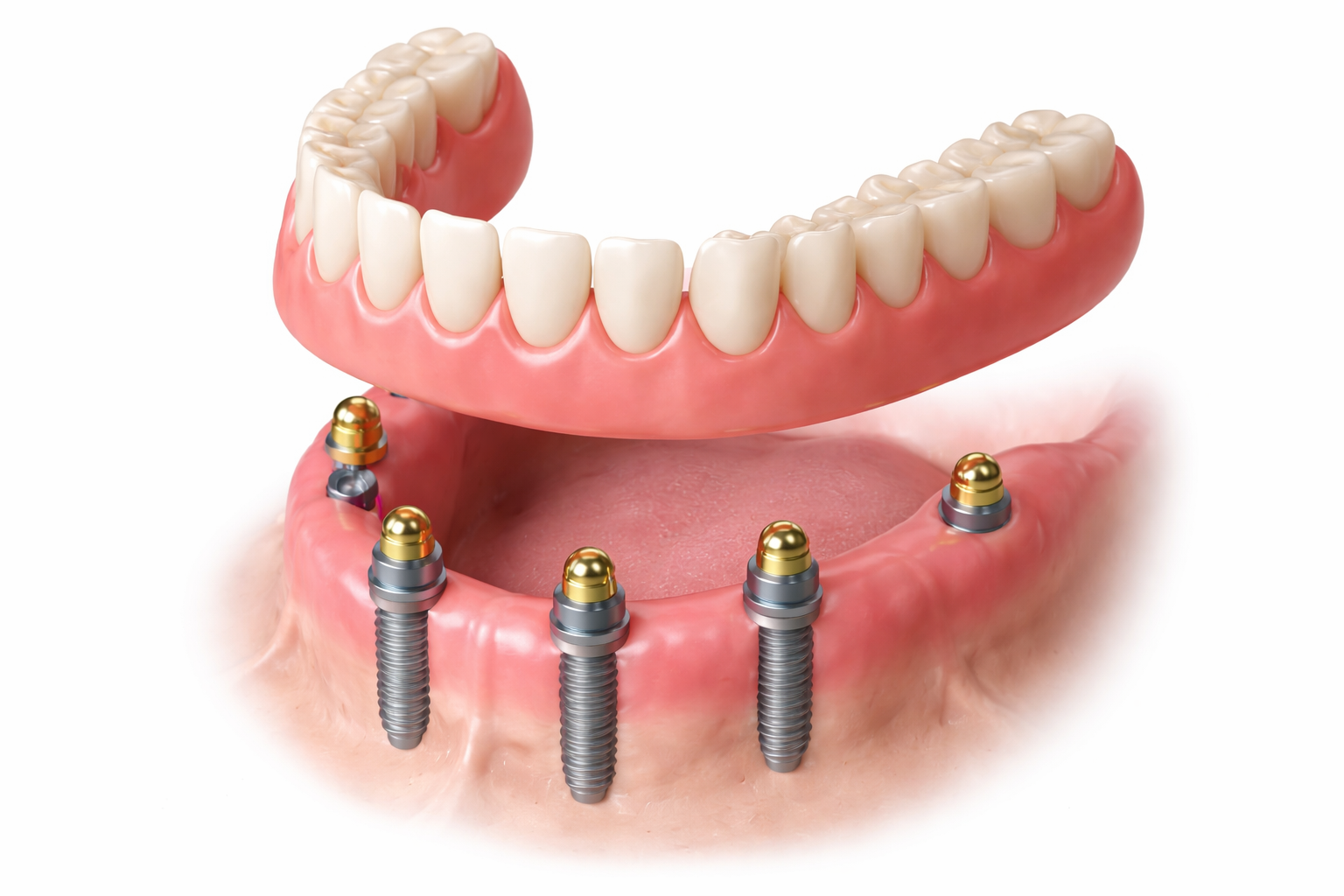
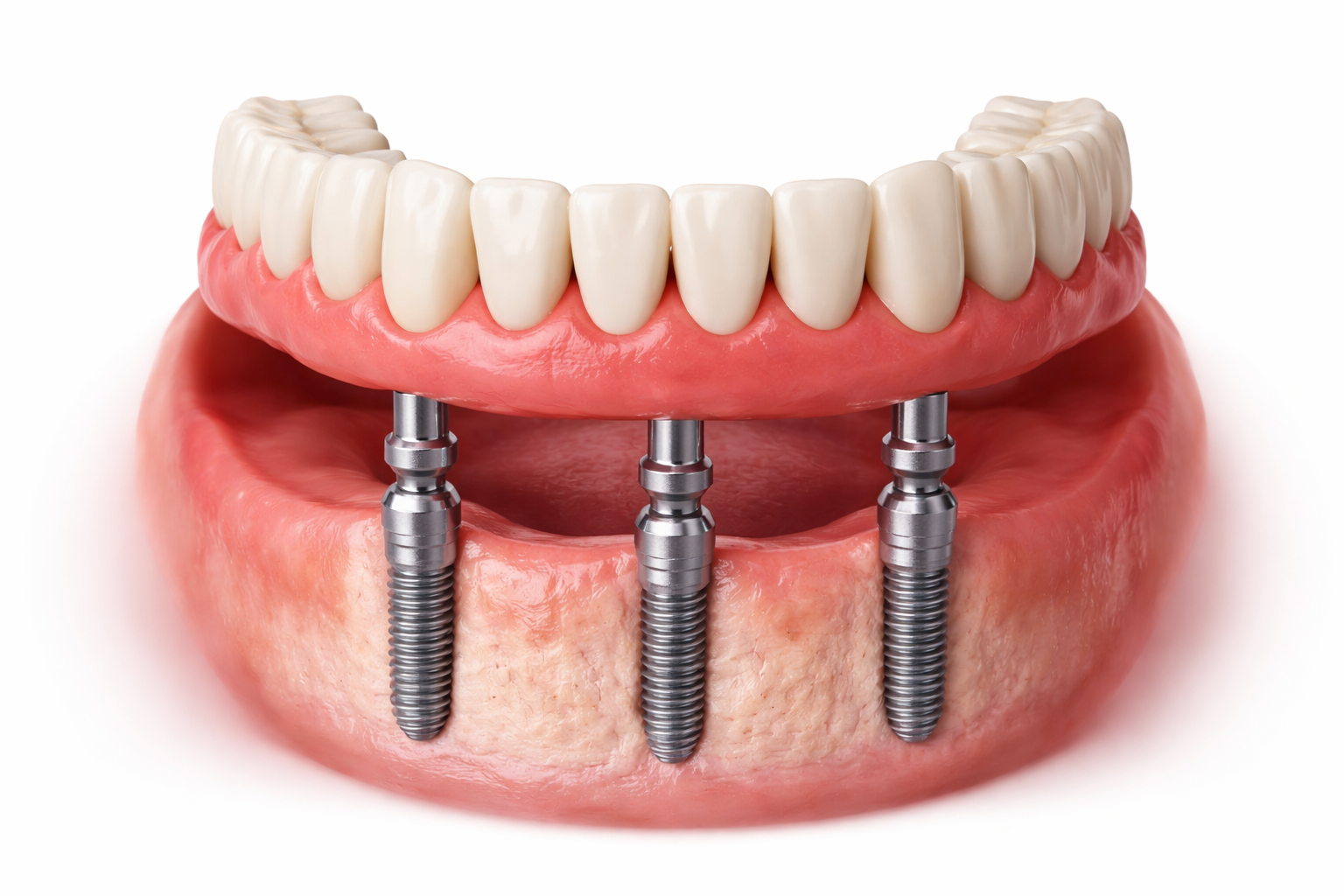
Common gum disease treatments include professional cleanings and, in some cases, surgical procedures to restore gum and bone health. If gum disease has led to tooth loss, dental implants can provide a permanent solution for restoring function and aesthetics. Cosmetic procedures are also available to enhance the overall look of your smile while maintaining gum health.
Gum care is a key part of overall dental health and plays a crucial role in preventing issues like bleeding gums and periodontal problems. Saltwater rinses, including warm salt water, can soothe gum inflammation and reduce bacteria levels; rinsing your mouth with warm saltwater two or three times a day can help reduce irritation and promote healing.

Consequences of Neglecting Oral Health
Neglecting your oral health can have far-reaching and serious consequences, especially when it comes to bleeding gums and gum disease. When early stage gum disease is left untreated, it can quickly progress to advanced gum disease, also known as periodontal disease. This not only leads to persistent bleeding gums, but can also cause receding gums, loose teeth, and eventually, tooth loss. The damage doesn’t stop there—advanced gum disease can result in bone loss around the teeth and may even contribute to systemic health conditions such as heart disease and respiratory infections.
Poor oral hygiene is a major factor in the development of gum problems. Failing to brush and floss regularly allows dental plaque to build up along the gumline, which can irritate gum tissue and trigger inflammation. Over time, this can cause swollen gums, bad breath, and ongoing bleeding—clear signs of gum disease that should never be ignored. In addition, vitamin deficiencies, particularly a lack of vitamin C or vitamin K, can weaken gum health and make gums more prone to bleeding. Blood clotting disorders and certain underlying health conditions can also increase the risk of persistent bleeding and require prompt attention from a healthcare provider.
To prevent bleeding gums and maintain healthy gums, it’s essential to practice good oral hygiene every day. This means brushing with a soft-bristled toothbrush, flossing gently but thoroughly, and using an antibacterial mouthwash to help reduce plaque buildup. Avoid aggressive brushing, as it can cause gum recession and further irritation. Incorporating a healthy diet rich in vitamin C and vitamin K supports gum health and helps prevent vitamin deficiencies that can lead to bleeding gums.
Regular dental visits are crucial for early detection and treatment of gum disease. Professional cleaning by a dental hygienist can remove tartar and plaque that brushing and flossing alone can’t reach, helping to stop bleeding gums before they become a more serious problem. If you notice persistent bleeding, swollen gums, or other signs of gum disease, don’t wait—seek emergency dental care to address the issue before it leads to severe gum disease or tooth loss.
Remember, preventive care is the best way to protect your oral health. By prioritizing proper oral hygiene, scheduling regular dental checkups, and addressing any underlying health conditions, you can prevent gum disease, maintain a healthy mouth, and keep your smile bright for years to come. If you experience symptoms like persistent bleeding or loose teeth, contact your dentist or seek emergency dental care immediately to prevent further complications and safeguard your overall health.
Periodontal Care at Foundation Dental Specialists in Pasadena
At Foundation Dental Specialists, we are proud to provide advanced periodontal and endodontic care to patients in Pasadena and the surrounding communities. Our experienced periodontists and endodontists are passionate about helping patients achieve healthier gums and stronger smiles through evidence-based, personalized care.
We offer a wide range of dental services to treat complex periodontal conditions and other oral health concerns. By creating customized treatment plans based on strong scientific evidence, clinical judgment, professional experience, and patient preference, our team delivers highly successful oral health solutions. At Foundation Dental Specialists, we truly lay the foundation for confident, healthy smiles.

Take the Next Step Toward Healthier Gums. Contact Foundation Dental Specialists Today
Bleeding gums should never be ignored, especially when they persist or are accompanied by other symptoms. Knowing when to see a dentist for bleeding gums empowers you to protect your oral health and prevent serious complications.
If you are experiencing gum bleeding or suspect signs of gum disease, contact Foundation Dental Specialists today to schedule a consultation or appointment. Our expert team is here to provide the personalized periodontal care you need to restore and maintain a healthy smile.
Frequently Asked Questions
Is it normal for gums to bleed when brushing or flossing?
Occasional bleeding can occur if you are new to flossing or brushing too aggressively, but ongoing bleeding is not normal. Practicing gentle flossing and maintaining improved oral hygiene can help prevent gum bleeding when brushing or flossing. Persistent bleeding is often a sign of gum inflammation or gum disease and should be evaluated by a dentist for bleeding gums.
When should I see a dentist for bleeding gums?
You should see a dentist for bleeding gums if the bleeding happens regularly, lasts more than a week, or is accompanied by swelling, pain, or bad breath. Scheduling a dental visit is important to diagnose any underlying issues such as gum disease or infection. Seeing your dentist regularly also helps maintain oral health and prevent gum bleeding from becoming a more serious problem. Early dental care can help prevent gum disease from progressing into more serious periodontal problems.
What is the most common cause of bleeding gums?
The most common cause of bleeding gums is plaque buildup along the gumline, which can lead to gingivitis. If left untreated, gingivitis can progress into periodontitis and cause permanent damage to the gums and bone.
Can bleeding gums be a sign of serious dental problems?
Yes, bleeding gums can indicate underlying issues such as gum disease, infection, or bone loss. Seeing a dentist for bleeding gums early allows for prompt diagnosis and treatment before complications develop.